Finding the right cosmetic contract manufacturer feels like walking into a black box. You send a brief, sign an NDA, and hope. But hidden costs appear, formula ownership gets murky, and halfway through you discover the factory cannot actually make what it promised. The fear is real. This guide fixes that.
A cosmetic contract manufacturer should be audited across three isolated production categories: powders, liquids, and fragrances. Verify physical line isolation, category-specific testing standards (ΔE color variance, challenge tests, alcohol-packaging compatibility), and honest MOQ boundaries. A real multi-category factory proves capability through heavy-asset engineering, not vague "we do everything" claims.
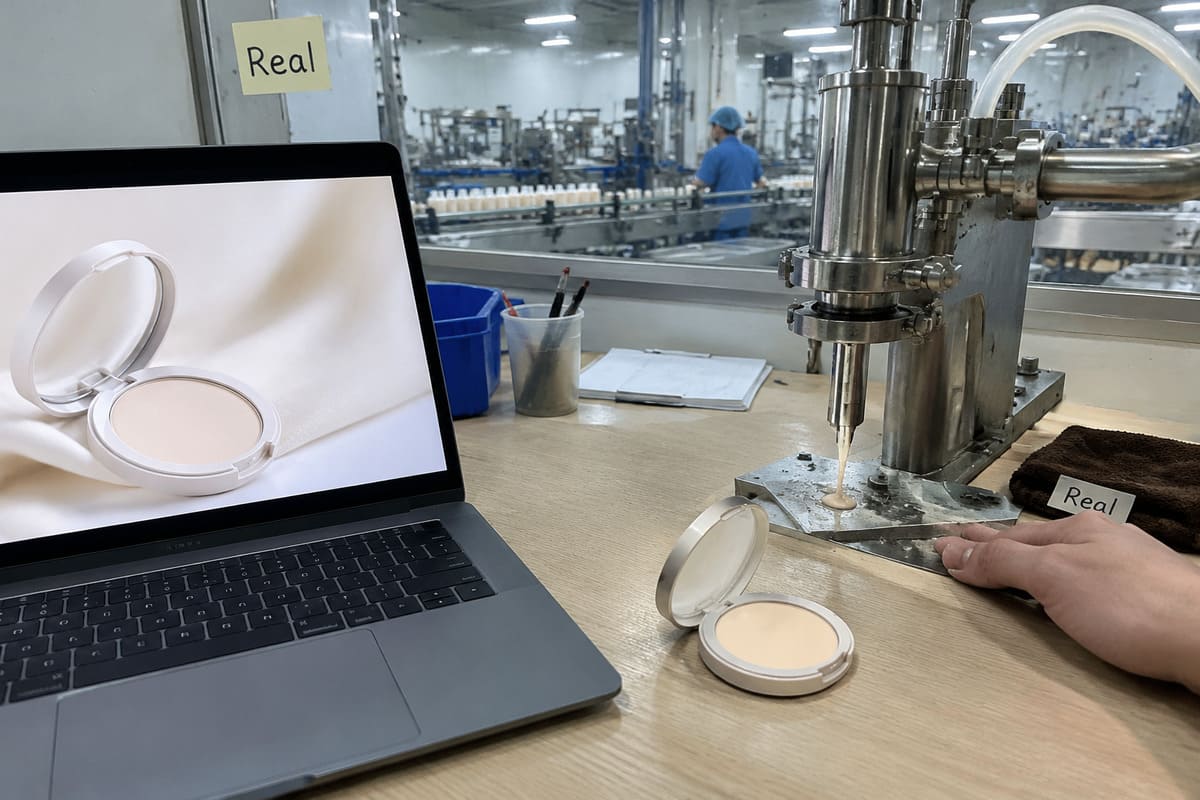
Most guides stop at generic advice. I want to show you the actual questions that separate a real engineering partner from a trading company reselling someone else's goods. Keep reading, because the difference will save your launch.
Why Are Most Contract Manufacturing Guides Useless?
You searched for a real process. Instead you found the same recycled checklist on every page: "write a brief, sign an NDA, test samples." That advice sounds safe. It is also empty. It collapses the moment real production starts, and you only learn that after your money is gone.
Most contract manufacturing guides are useless because engineering traps are category-specific, and generic checklists ignore this entirely. A powder trap is not a liquid trap. A fragrance trap is neither. Advice that treats all cosmetics the same cannot protect a buyer from the real risks hiding inside each product category.
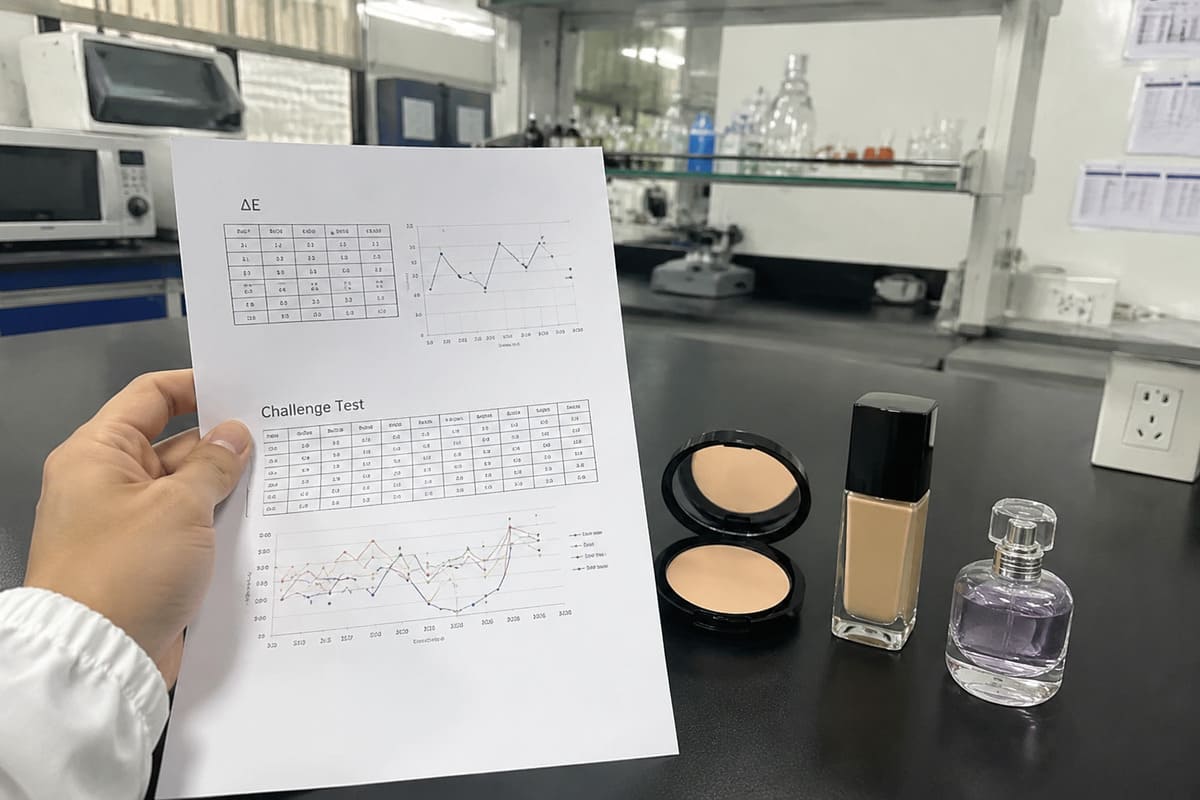
Here is what I have seen go wrong when brands trust generic advice. A founder signs with a "manufacturer" who is actually a trading company. The samples look perfect because they were pulled from someone else's existing stock. Then the bulk order arrives with color drift, flaking powder, or a fragrance that corrodes its own cap within weeks.
The generic checklist never asked the right questions. It never probed whether the factory owns the formula, whether it runs its own lines, or whether it can hold a color standard across batches.
What a Real Audit Replaces
A serious cosmetic contract manufacturer audit abandons the one-size checklist and uses three distinct question sets:
- Powders: ΔE color variance tolerance, drop test standards, flaking resistance
- Liquids: challenge test results, thermal stability (freeze-thaw cycling), fill accuracy
- Fragrances: alcohol-packaging material compatibility to prevent leaks and corrosion
| Guide Type | What It Asks | What It Misses |
|---|---|---|
| Generic SERP guide | "Sign an NDA, test a sample" | Line ownership, formula IP, category capability |
| Real audit | "Do you share lines? Show ΔE data." | Nothing critical to production |
The lesson is simple. Ask category-specific questions, or you are flying blind.
How Do You Audit a Factory Across Powders, Liquids, and Fragrances?
Three product categories. Three completely different engineering problems. A factory that nails pressed powder may have never filled a sterile liquid in its life. If you audit all three with the same questions, you will miss the exact gap that sinks your product.
You audit a cosmetic contract manufacturer by applying three separate acid tests. For powders, demand ΔE color variance tolerance and drop test results. For liquids, demand challenge test data and thermal stability reports. For fragrances, demand alcohol-packaging compatibility proof. Each test exposes whether the factory truly engineers that category or merely resells it.
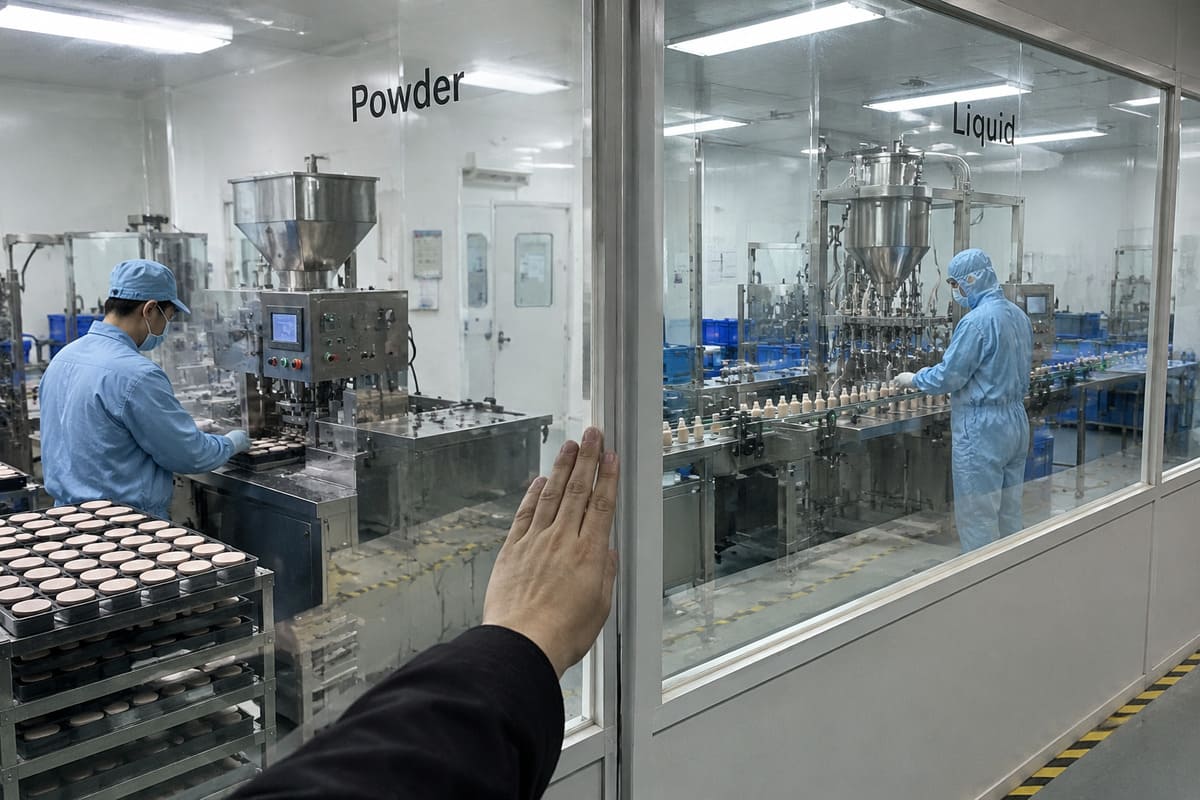
Let me break down each acid test, because the details are where traders get exposed.
The Powder Acid Test
Pressed powders fail in two predictable ways: color drift and physical breakage. A real factory controls both with measurable standards.
- ΔE color variance: This is the numeric difference between your approved color and the produced batch1. A credible factory holds ΔE ≤ 1.02 batch to batch. Ask for their tolerance. If they cannot name a number, they do not measure it.
- Drop test: A pressed eyeshadow or blush must survive transit. Factories run standardized drop tests from a set height onto a hard surface, repeated several times3. Ask how many drops at what height their pan survives.
The Liquid Acid Test
Liquids introduce microbial and stability risk. This is where sterile engineering matters.
- Challenge test (preservative efficacy): This proves the formula resists microbial growth over its shelf life4. It is non-negotiable for foundations, serums, and any water-based product5.
- Thermal stability: Freeze-thaw cycling and elevated-temperature holds confirm the emulsion will not separate6 in a shipping container crossing the equator.
The Fragrance Acid Test
Fragrances are mostly alcohol, and alcohol attacks the wrong materials7.
- Alcohol-packaging compatibility: The juice must not corrode the pump, degrade the gasket, or leach from the cap liner. Ask for compatibility testing between the formula and every packaging component.
| Category | Core Test | Credible Standard |
|---|---|---|
| Powders | ΔE variance + drop test | ΔE ≤ 1.0, survives repeated drops |
| Liquids | Challenge test + thermal stability | Passes preservative efficacy + freeze-thaw |
| Fragrances | Alcohol-packaging compatibility | No corrosion, leak, or leaching |
If a factory answers all three confidently with data, you are likely talking to a real manufacturer.
Why Does Physical Line Isolation Matter More Than Anything Else?
Imagine fine powder dust drifting through the air. Now imagine it settling into a sterile liquid filling station nearby. That single image explains the biggest hidden risk in multi-category production. Cross-contamination is silent, invisible, and devastating to product safety.
Physical line isolation matters most because powder dust and sterile liquid filling are fundamentally incompatible in shared space8. A real cosmetic contract manufacturer physically separates powder, liquid, and fragrance lines into distinct rooms with independent air handling9. This prevents cross-contamination, protects sterility, and is the single clearest signal of a genuine factory versus a trading company.
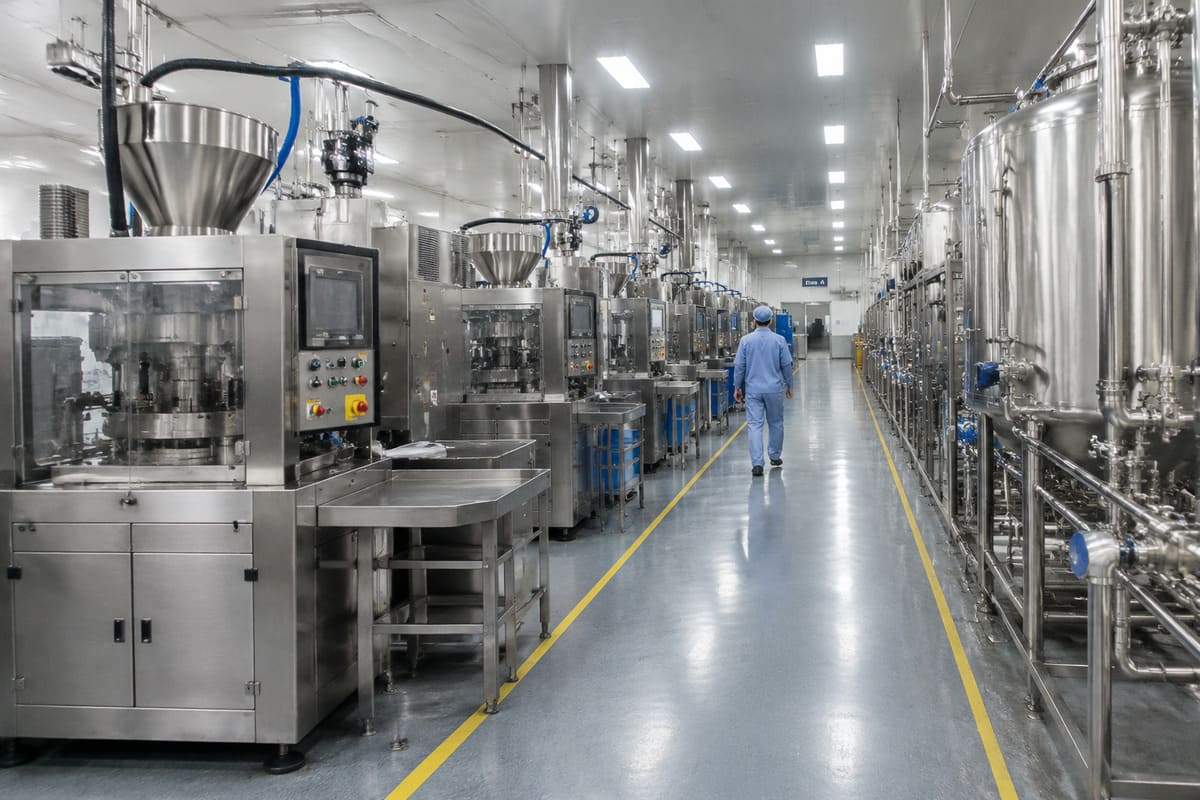
This is the question that instantly reveals the truth. Ask any supplier: "Do you share production lines across categories?"
In my experience, the answer sorts suppliers into two groups immediately:
A trading company responds with vague reassurance: "We have a big workshop, plenty of space, no problem."
A real factory refuses firmly: "Absolutely not. Powder dust and sterile liquid filling must be physically isolated. They cannot share air, let alone a room."
That contrast is not a personality difference. It is the difference between someone who runs lines and someone who resells goods.
Why the Dust Problem Is Not Optional
Powder production generates airborne particulate. Liquid filling, especially for leave-on and eye-area products, requires a controlled, low-particulate environment10. Put them together and you get:
- Micro-contamination of liquid fills with stray pigment
- Compromised preservative systems from foreign particulate load11
- Failed challenge tests and recalled batches
| Line Setup | Cross-Contamination Risk | Who Runs It |
|---|---|---|
| Shared open workshop | High | Traders, low-tier factories |
| Separate rooms, shared air | Medium | Partial operations |
| Fully isolated rooms + independent HVAC | Low | Real multi-category factories |
I treat line isolation as the first filter. If a supplier cannot show me separated rooms with independent air handling, the rest of the audit barely matters. The foundation is already cracked.
Why Can't Low-Tier Factories Handle Full-Category Production?
The market is confusing on purpose. Dozens of suppliers claim to "make everything." Brands believe them, place an order, and then hit a wall when the second category arrives broken. The confusion has a structural cause, and understanding it protects your budget.
Low-tier factories cannot handle full-category production because true multi-category manufacturing is a heavy-asset engineering matrix, not a marketing claim. It requires separate, validated lines with distinct equipment, air systems, and compliance processes for each category12. A single-line factory simply lacks the capital assets, so it either outsources secretly or delivers failures.
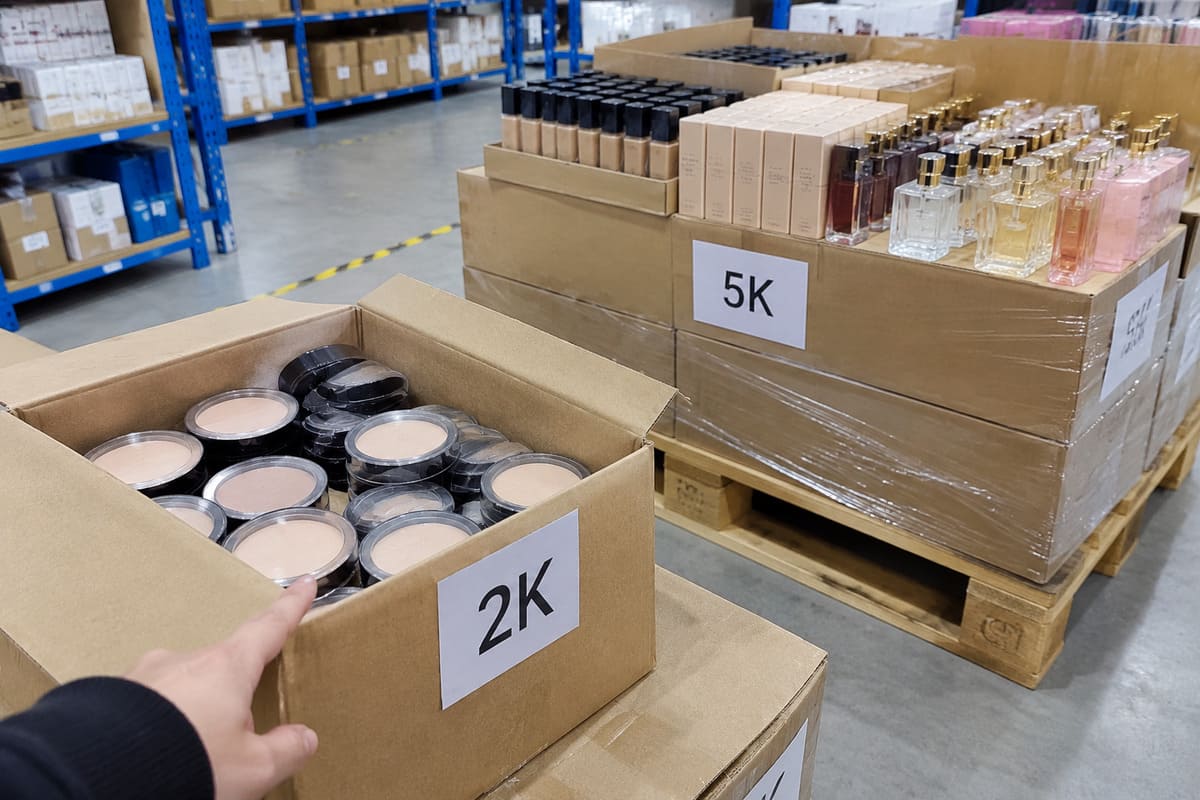
Here is the structural truth the SERP never explains. Full-category capability sits on a spectrum, and each tier carries a trade-off.
The Three Tiers of the Market
- Global giants. They own the full engineering matrix. Their isolated lines are world-class. But they require massive MOQs that lock out emerging brands entirely.
- Low-tier factories and traders. They own one line, or no line at all. They claim full-category service, then outsource the categories they cannot make. You lose visibility and control.
- Integrated mid-scale manufacturers. They physically isolate powder, liquid, and fragrance lines, and they stay honest about MOQ boundaries. This is the tier that serves growing brands without the giant's wall.
| Tier | Line Assets | MOQ Reality | Transparency |
|---|---|---|---|
| Global giant | Full isolated matrix | Very high (often 50,000+) | High but rigid |
| Low-tier / trader | One line or none | Low (10–100) | Low, hidden outsourcing |
| Integrated mid-scale | Isolated multi-category lines | Moderate, category-dependent | High and open |
The reason "full-category" cannot be faked is capital. Sterile filling rooms, powder pressing lines, and alcohol-compliant fragrance stations each demand separate equipment, validation, and air handling. A trading company cannot photoshop that. It can only subcontract, and subcontracting is exactly the black box you are trying to escape. That is why I keep our lines open for inspection.
What We Engineer—and What We Refuse to Compromise
By now you know the questions. So let me answer them about ourselves, plainly. No vague reassurance, no "big workshop" deflection. I would rather show you our boundaries than sell you a fantasy that collapses in production.
We engineer multi-category cosmetics on physically isolated powder, liquid, and fragrance lines to prevent cross-contamination. We refuse to compromise on line isolation and honest MOQ boundaries. Powder validation starts at an agile 2,000 units; liquids and fragrances require 5,000–10,000 units due to the real cost of sterile filling and alcohol compliance.
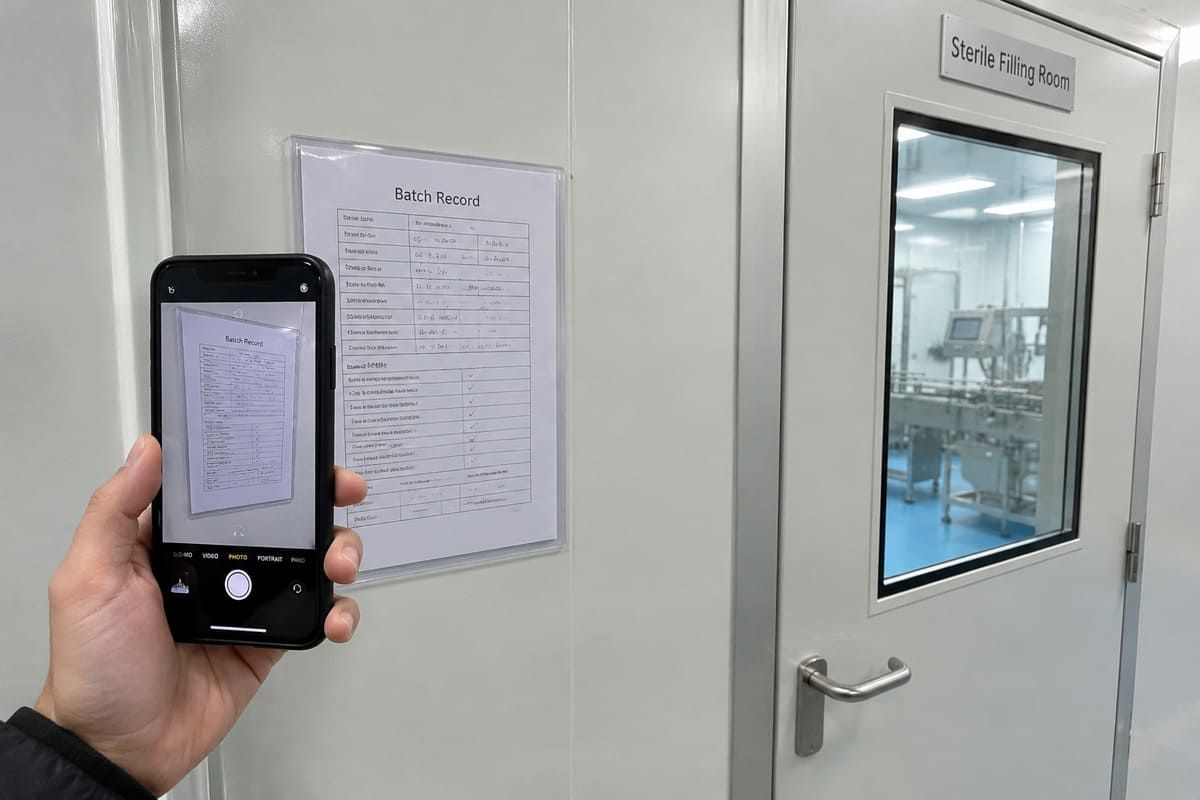
I will be direct about where we fit. We are not a global giant, and we are not a trader. We are an integrated supply chain built around separated lines.
Our Honest Boundaries
I state the limits up front because hidden limits are how brands get trapped.
| Category | Our MOQ | Why the Number |
|---|---|---|
| Powders (eyeshadow, blush, highlighter) | 2,000 units | Agile pressing lets you validate the market at low risk |
| Liquids | 5,000–10,000 units | Sterile filling setup carries high fixed cost |
| Fragrances | 5,000–10,000 units | Alcohol compliance and packaging testing add real cost |
Our strength is "play-color" makeup: chameleon eyeshadow, sparkle finishes, high-payoff pressed powders. We built an agile 2,000-unit powder entry point precisely so new brands and creator-led labels can test a concept without drowning in inventory.
I also respect what we are not for. If you want a 10-unit white-label product to slap your logo on, a trading company will serve you faster and cheaper. There is no shame in that path. It is simply a different need.
But if you want a real multi-category engineering partner, one that holds a ΔE standard, passes challenge tests, and isolates every line, then here is my standing offer: our production lines are open for your audit. Come see the separation yourself.
Frequently Asked Questions
What is the difference between a cosmetic contract manufacturer and a trading company?
A cosmetic contract manufacturer owns and operates its own production lines, controls formulas, and runs category-specific testing. A trading company resells goods made elsewhere, often hiding the real source. The clearest test is asking about physical line isolation; real factories answer with specifics, traders deflect.
What MOQ should I expect for liquids versus powders?
Powders typically allow lower minimums because pressing lines are agile. We start powder validation at 2,000 units. Liquids and fragrances require 5,000–10,000 units because sterile filling and alcohol compliance carry high fixed setup costs. Any factory quoting identical low MOQs across all categories is likely outsourcing.
Why is physical line isolation so important in cosmetics?
Powder production creates airborne dust that can contaminate sterile liquid filling. Isolated lines with independent air handling prevent cross-contamination, protect preservative systems, and keep products passing challenge tests. It is the single strongest signal that you are dealing with a genuine multi-category factory rather than a reseller.
What tests prove a factory can really make my product?
For powders, ask for ΔE color variance tolerance and drop test results. For liquids, request challenge test and thermal stability data. For fragrances, confirm alcohol-packaging compatibility testing. A factory that answers all three with real data is engineering your product, not reselling it.
Can I physically audit a cosmetic contract manufacturer before ordering?
Yes, and you should. A credible cosmetic contract manufacturer will invite you to inspect its isolated powder, liquid, and fragrance lines. We keep our lines open for audit. If a supplier resists a physical visit or only shows photos, treat that as a warning sign of hidden outsourcing.
Conclusion
Choosing a cosmetic contract manufacturer is not about finding the lowest MOQ or the shiniest website. It is about escaping the black box. Generic guides fail because engineering traps are category-specific. Audit powders with ΔE and drop tests, liquids with challenge and thermal data, fragrances with alcohol-packaging compatibility. Above all, verify physical line isolation, the one thing traders cannot fake. We built isolated lines and honest MOQ boundaries for exactly this reason. Come audit our lines, and see the difference engineering makes.
"Color difference", https://en.wikipedia.org/wiki/Color_difference. Reference material on color difference defines ΔE as the computed distance between two colors in a CIE color space, used to quantify deviation between a target and a measured sample. Evidence role: definition; source type: encyclopedia. Supports: ΔE is a standardized metric expressing the distance between two colors in a perceptual color space.. ↩
"Perceptibility and acceptability of CIELAB color differences in ...", https://pmc.ncbi.nlm.nih.gov/articles/PMC2041906/. Colorimetric standards from the International Commission on Illumination define ΔE as a quantified color difference, with values around 1.0 commonly treated as the approximate limit of just-noticeable difference under controlled viewing. Evidence role: statistic; source type: institution. Supports: ΔE values near 1.0 approximate the threshold of color difference perceptible to a human observer.. Scope note: Perceptibility thresholds vary by formula, observer, and viewing conditions, so the source supports the general order of magnitude rather than a universal cosmetic manufacturing tolerance. ↩
"Measurement of the penetration of 56 cosmetic relevant ... - PMC", https://pmc.ncbi.nlm.nih.gov/articles/PMC7027575/. Technical literature on pressed powder formulation describes drop testing from a fixed height as a method for evaluating pan integrity and breakage resistance during transit. Evidence role: case_reference; source type: research. Supports: Drop testing from a defined height is an established method for assessing the mechanical durability of pressed powder cosmetics.. Scope note: Drop-test parameters are not universally standardized across the industry, so the source supports the practice rather than a single mandated protocol. ↩
"ISO 11930 - Preservative Effectiveness Test", https://microchemlab.com/test/iso-11930-preservative-effectiveness-test/. Published standards such as ISO 11930 describe challenge testing as a method for assessing the antimicrobial protection of a cosmetic formulation by inoculating it with test organisms and measuring survival over a defined period. Evidence role: mechanism; source type: institution. Supports: Standardized preservative efficacy (challenge) testing evaluates a cosmetic product's ability to inhibit microbial growth over time.. Scope note: The standard defines the test method and interpretation criteria rather than confirming that passing it guarantees safety across every real-world distribution condition. ↩
"Optimization of cosmetic preservation: water activity reduction", https://pubmed.ncbi.nlm.nih.gov/25256527/. Microbiological literature on cosmetic preservation indicates that products with higher water activity support microbial proliferation, which is why water-based formulations typically require validated preservative systems. Evidence role: mechanism; source type: research. Supports: Water-containing cosmetic formulations present greater microbial growth risk and therefore require preservation.. Scope note: Supports the general principle of water-driven microbial risk rather than the specific product categories named in the article. ↩
"Advances in emulsion stability: A review on mechanisms, role ...", https://pmc.ncbi.nlm.nih.gov/articles/PMC12311586/. Formulation science literature describes freeze-thaw and elevated-temperature cycling as accelerated methods for assessing emulsion stability and predicting phase separation under stress. Evidence role: mechanism; source type: research. Supports: Accelerated thermal stress tests, including freeze-thaw cycling, are used to predict the physical stability of cosmetic emulsions.. Scope note: Accelerated tests approximate but do not perfectly replicate stability under all real shipping and storage conditions. ↩
"Synthetic Degradable Polyvinyl Alcohol Polymer and Its ... - PMC", https://pmc.ncbi.nlm.nih.gov/articles/PMC11124784/. Material compatibility literature documents that ethanol can swell, degrade, or extract components from susceptible polymers and elastomers, supporting the need for packaging compatibility testing in alcohol-based products. Evidence role: mechanism; source type: research. Supports: Ethanol and alcohol-based solutions can interact with and degrade certain polymer and elastomer packaging materials.. Scope note: Degradation depends on specific material grade and exposure conditions, so the source supports the mechanism rather than any one fragrance-package combination. ↩
"Guidance for Industry - Cosmetic Good Manufacturing ...", https://www.fda.gov/media/86366/download. Cosmetic GMP guidance such as ISO 22716 addresses the prevention of cross-contamination through premises design, segregation, and environmental control of production areas. Evidence role: general_support; source type: institution. Supports: Good manufacturing practice guidance calls for controls to prevent cross-contamination between incompatible production processes.. Scope note: The guidance establishes general contamination-control principles rather than mandating full physical isolation of powder and liquid lines in all cases. ↩
"Cosmetic Cleanrooms: Design, HVAC and GMP ...", https://valtria.com/en/blog/key-considerations-in-cleanroom-design-construction-and-hvac-for-the-cosmetics-industry-under-current-regulations. Cleanroom and facility standards such as ISO 14644 describe controlled air handling and segregation as measures for managing particulate contamination between production environments. Evidence role: general_support; source type: institution. Supports: Dedicated air-handling systems are used to prevent cross-contamination between distinct manufacturing areas.. Scope note: These standards define contamination-control engineering broadly and are not specific to cosmetic powder-versus-liquid line separation. ↩
"FDA 2014 survey of eye area cosmetics for microbiological ...", https://pubmed.ncbi.nlm.nih.gov/29665083/. Cosmetic GMP guidance recommends environmental controls proportionate to product sensitivity, supporting heightened contamination control for leave-on and eye-area products. Evidence role: general_support; source type: institution. Supports: Sensitive cosmetic products, including eye-area formulations, warrant controlled manufacturing environments to limit contamination.. Scope note: Guidance frames environmental control by risk level rather than prescribing a specific particulate classification for these products. ↩
"Cosmetics Preservation: A Review on Present Strategies - PMC", https://pmc.ncbi.nlm.nih.gov/articles/PMC6099538/. Preservation research indicates that elevated bioburden and foreign particulate loading can challenge the capacity of a preservative system, supporting contamination-control measures during filling. Evidence role: mechanism; source type: research. Supports: Introduced particulate and bioburden can place additional demand on a product's preservative system.. Scope note: Supports the general relationship between contamination load and preservative demand rather than a quantified failure threshold. ↩
"Guidance for Industry - Cosmetic Good Manufacturing ...", https://www.fda.gov/media/86366/download. Cosmetic manufacturing regulations and GMP frameworks describe requirements for process validation, equipment qualification, and documented quality controls, which scale with the range of products produced. Evidence role: general_support; source type: government. Supports: Regulatory and quality-system frameworks require validated processes, qualified equipment, and documented controls in cosmetic manufacturing.. Scope note: Such frameworks establish general validation obligations rather than confirming that single-line factories inherently cannot meet multi-category requirements. ↩