Searching for a professional makeup manufacturer and drowning in retail brand listings? I have watched countless founders and artists lose weeks here. You need someone who can engineer extreme pigment payoff, but the SERP keeps serving you distributors and stage makeup shops. That mismatch costs you time, money, and your professional credibility.
A professional makeup manufacturer engineers formulas from scratch—adjusting pigment load, press hardness, and binder ratios to hit your exact performance targets. A distributor only resells finished stock. The fastest test: a manufacturer asks about your pigment and texture goals, while a distributor sends you a catalog and says "this sells well."
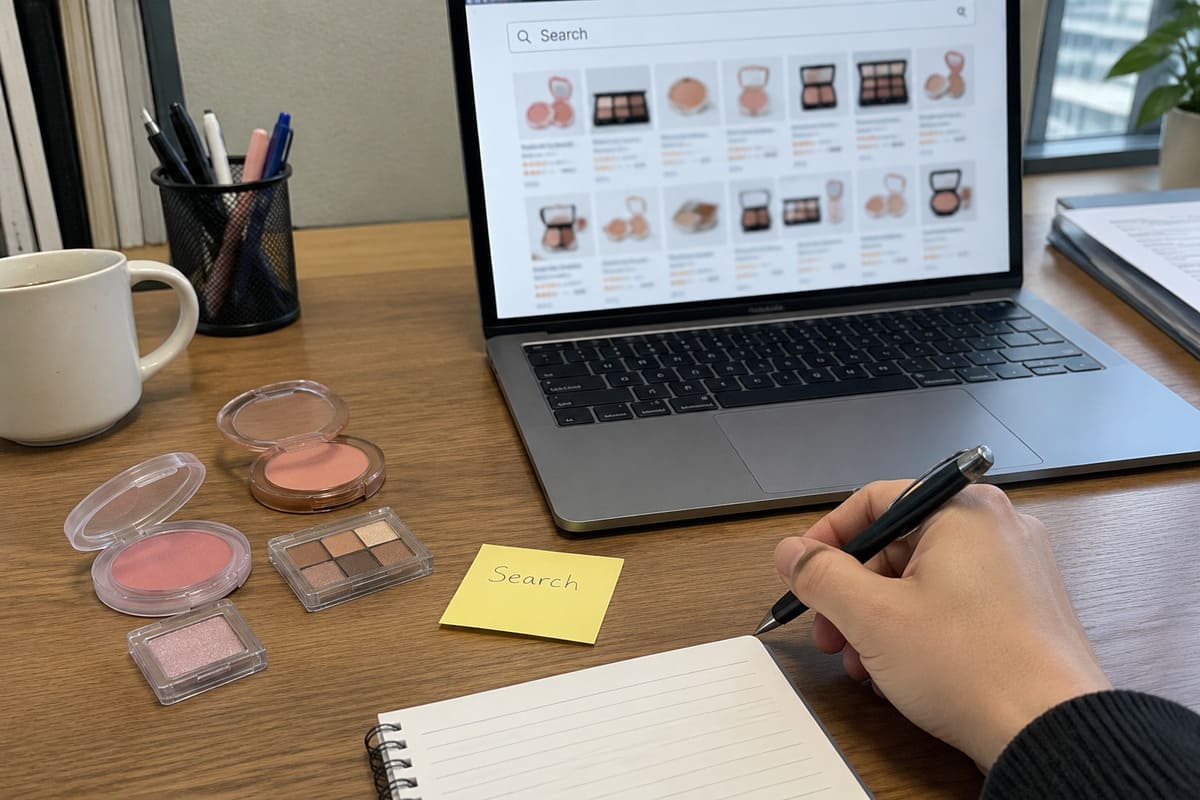
Here is the problem most buyers miss. The difference does not show up in a glossy website. It shows up in the first reply, in three formulation metrics, and in what a factory refuses to do. Let me walk you through each one.
Why Do You See Pro Brands Instead of Pro Factories in the SERP?
You typed in a serious B2B query. Google handed you lipstick reviews and Halloween SFX kits. Frustrating, right? This gap is not an accident. It reflects how search engines weigh commercial retail intent over niche manufacturing intent.
You see pro brands instead of pro factories because retail keywords generate far more search volume and ad spend than B2B manufacturing terms1. Search engines optimize for the majority intent—consumers buying finished products2—not for the smaller pool of founders and artists hunting for a professional makeup manufacturer who can develop custom formulas.
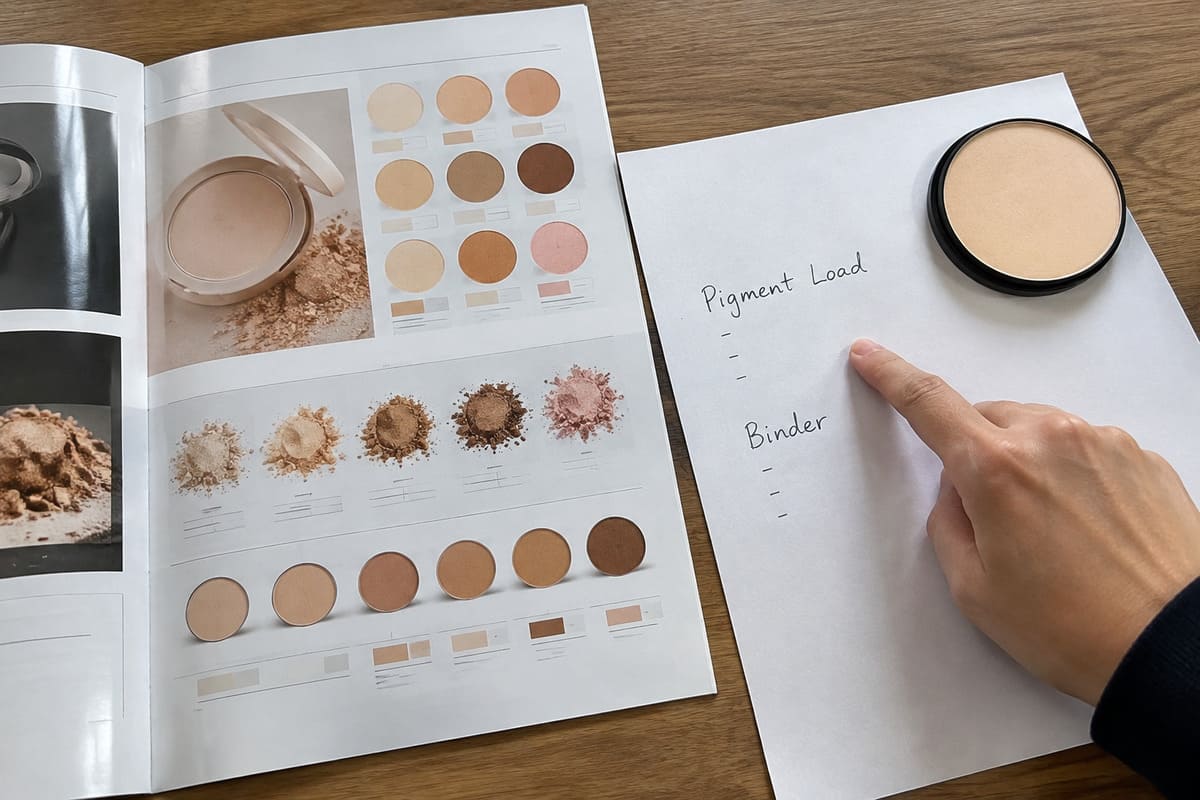
The result is a signal problem. The people who most need a real factory are the hardest to match with one.
Who Actually Searches This Query?
In my experience, three buyers type "professional makeup manufacturer" into Google, and none of them want a retail brand:
- The working artist building a signature line. Her reputation lives on camera, so chalky pigment is a career risk3.
- The emerging founder who wants pro-grade performance but cannot afford a 50,000-unit order.
- The established brand quietly looking to upgrade a weak existing supplier.
Each one is asking a harder question than the SERP understands: Can this factory engineer the payoff my professional standards demand?
Why the Confusion Hurts Serious Buyers
The confusion wastes your most valuable resource—time. When you cannot tell a reseller from a developer, you send the same brief to twenty contacts and get twenty catalogs back. None of them answer the real question. I built this article partly because I kept meeting founders who had burned three months before they understood the distinction. The sooner you can filter, the sooner you reach a factory that talks in pigment loads instead of price lists.
| Search Intent | What They Want | What the SERP Delivers |
|---|---|---|
| Consumer | Finished retail makeup | Retail brands (correct match) |
| B2B founder | Custom formula development | Retail brands (wrong match) |
| Working artist | Pro-grade pigment engineering | Stage/SFX distributors (wrong match) |
| Wholesaler | Ready stock to resell | Mixed results (partial match) |
How Do You Tell a Distributor From a Manufacturer on the First Reply?
You send an inquiry. Twenty-four hours later, a reply lands in your inbox. Most buyers skim it for price. That is a mistake. The structure of that first reply tells you almost everything about who you are dealing with.
You tell them apart by what they ask versus what they send. A distributor replies with a catalog and a "best seller" pitch, steering you toward existing stock. A manufacturer replies with questions: your target pigment load, desired press hardness, finish type, and intended wear time. Questions signal development capacity. Catalogs signal resale.
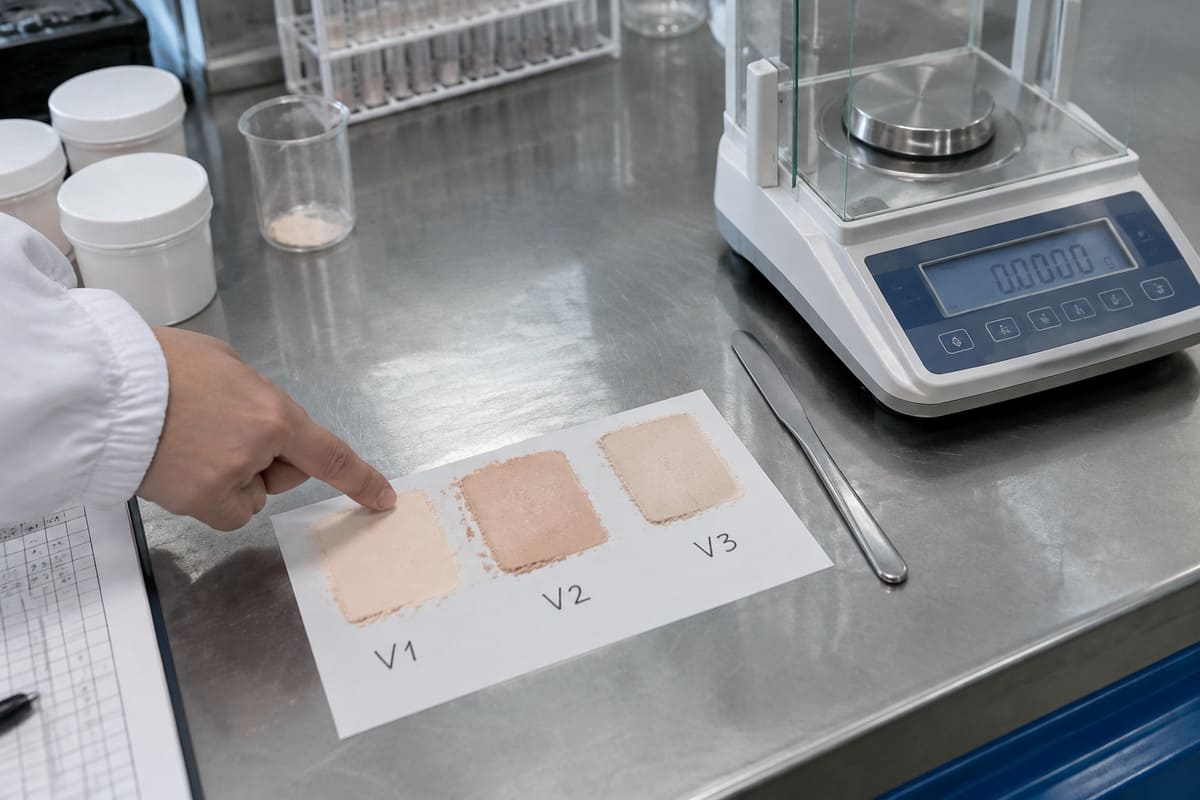
This single test filters out most of your list in one afternoon.
The Typified First Reply
Let me show you the exact scenario I see every week. A buyer sends an identical brief to two suppliers.
Distributor reply: "Hi! Please see attached catalog. Our 12-color palette is our best seller, very popular in the US market. MOQ 500 pcs, ready to ship. What quantity do you need?"
Manufacturer reply: "Thanks for the brief. Before I quote, I need a few targets. What pigment load are you aiming for—standard or high-saturation? Do you want a soft, buttery press or a firmer press with more travel resistance? What wear time does your market expect? Those answers change the formula and the press settings."
See the difference? One sells you what already exists. The other asks what you are trying to build.
A Scannable Checklist
Use this on your next round of inquiries:
- Did they ask about pigment load or finish targets?
- Did they mention press hardness or shatter resistance?
- Did they ask about your target market and wear expectations?
- Did they offer to adjust a formula, or only to ship existing stock?
- Did they talk about samples and development, or only MOQ and price?
Three or more "yes" answers mean you are talking to a real professional makeup manufacturer. Mostly "no" means you found a distributor wearing a factory's clothes.
| Signal | Distributor | Manufacturer |
|---|---|---|
| First reply content | Catalog + best sellers | Technical questions |
| Core question asked | "How many?" | "What performance?" |
| Formula flexibility | None (fixed stock) | Adjustable |
| Sample process | Pull from shelf | Develop to brief |
| Value proposition | Price and speed | Engineering and fit |
What Three Formulation Metrics Expose a True Pro-Grade Factory?
Here is where most buyers feel out of their depth. You know you want "good" makeup, but you cannot name what separates pro-grade powder from mass-market filler. Vague briefs get vague products. If you cannot specify the metrics, the factory defaults to its cheapest stock formula.
Three metrics expose a true pro-grade factory: pigment load (color saturation without clumping), press hardness (the balance between soft payoff and shatter resistance), and binder system ratio (the chemistry that controls true wear time). A factory that can discuss and adjust all three is engineering color. One that cannot is simply reselling.
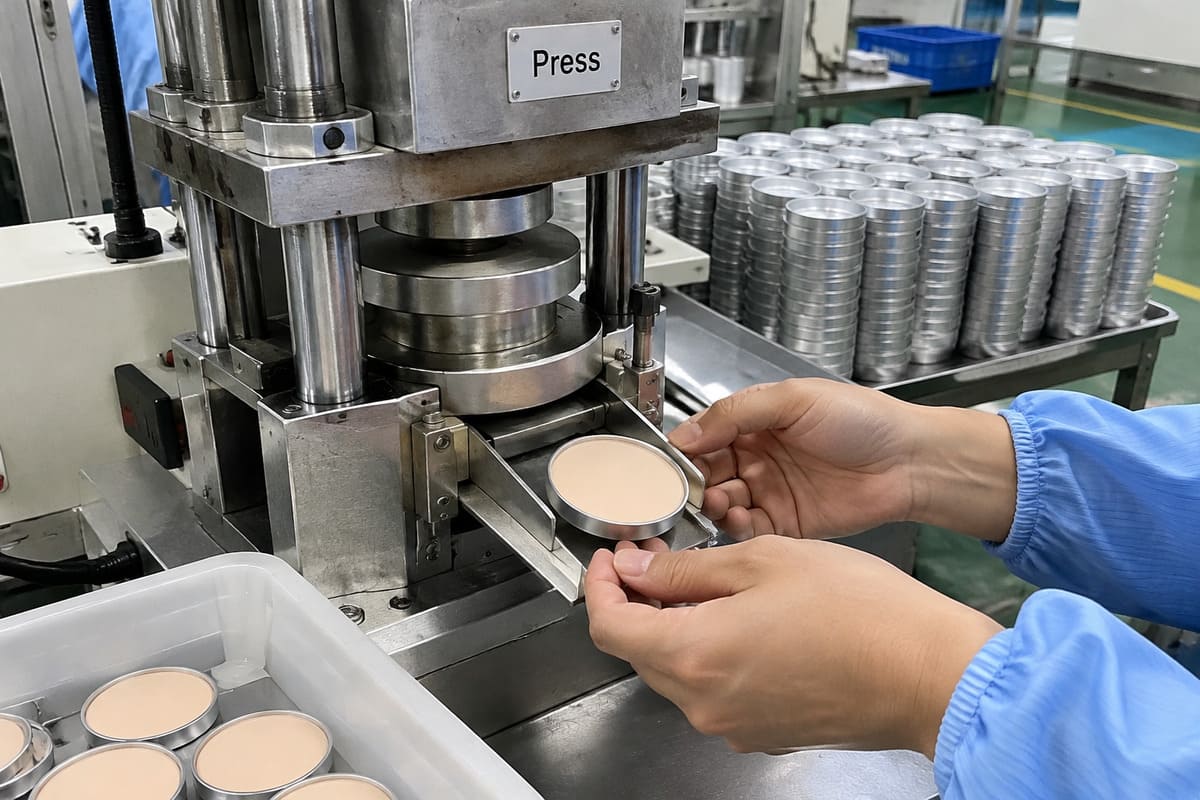
Think of these three as your acid test. Ask about them directly, and listen to whether the answers are specific or evasive.
Metric 1: Pigment Load Structure
Pigment load determines color payoff. Professional work demands intense, true-to-pan color in a single swipe. But high pigment is not just "add more color." Overload the formula and you get clumping, patchiness, and hard-to-blend powder.4 A real manufacturer structures the pigment with the right dispersants and fillers so saturation stays high while the texture stays smooth.5 When I ask a factory how they prevent clumping at high loads and they pause, I know they have never actually done it.
Metric 2: Press Hardness Balance
Press hardness is a tightrope walk. Press too soft and the pan shatters in transit or during normal use.6 Press too hard and the product goes stiff, with poor payoff and that dreaded "glazing" effect.7 Pro-grade powder sits in a narrow window: soft enough for buttery pickup, firm enough to survive shipping to the Middle East or Southeast Asia8. Adjusting this requires physical testing on real presses—something a distributor simply cannot do.
Metric 3: Binder System Ratio
The binder system is the hidden engine behind wear time. Binders hold the powder to skin and to the pan.9 Too little binder and the color fades or flies away. Too much and the powder turns waxy and dull. A professional makeup manufacturer tunes the binder ratio to your market's wear expectations. This is the metric low-end factories never touch, because changing it means re-engineering the entire formula.
| Metric | What It Controls | Failure If Wrong | Distributor Can Adjust? |
|---|---|---|---|
| Pigment Load | Color saturation | Chalky or clumpy | No |
| Press Hardness | Payoff vs. durability | Shatters or glazes | No |
| Binder System | Wear time, flyaway | Fades or goes waxy | No |
Why Are Genuine Professional Makeup Manufacturers So Rare?
You might wonder why the market is flooded with mediocre options and so thin on real pro-grade developers. It feels like searching for a needle in a haystack. That scarcity is not random. It comes from hard economics that push most factories out of this space.
Genuine professional makeup manufacturers are rare because real pro-grade development is expensive and slow. Large ODMs only accept massive orders that justify the R&D cost10, while low-end factories lack the lab capability to adjust binder ratios or press hardness. This leaves a narrow middle band of specialists willing to develop at a realistic scale.
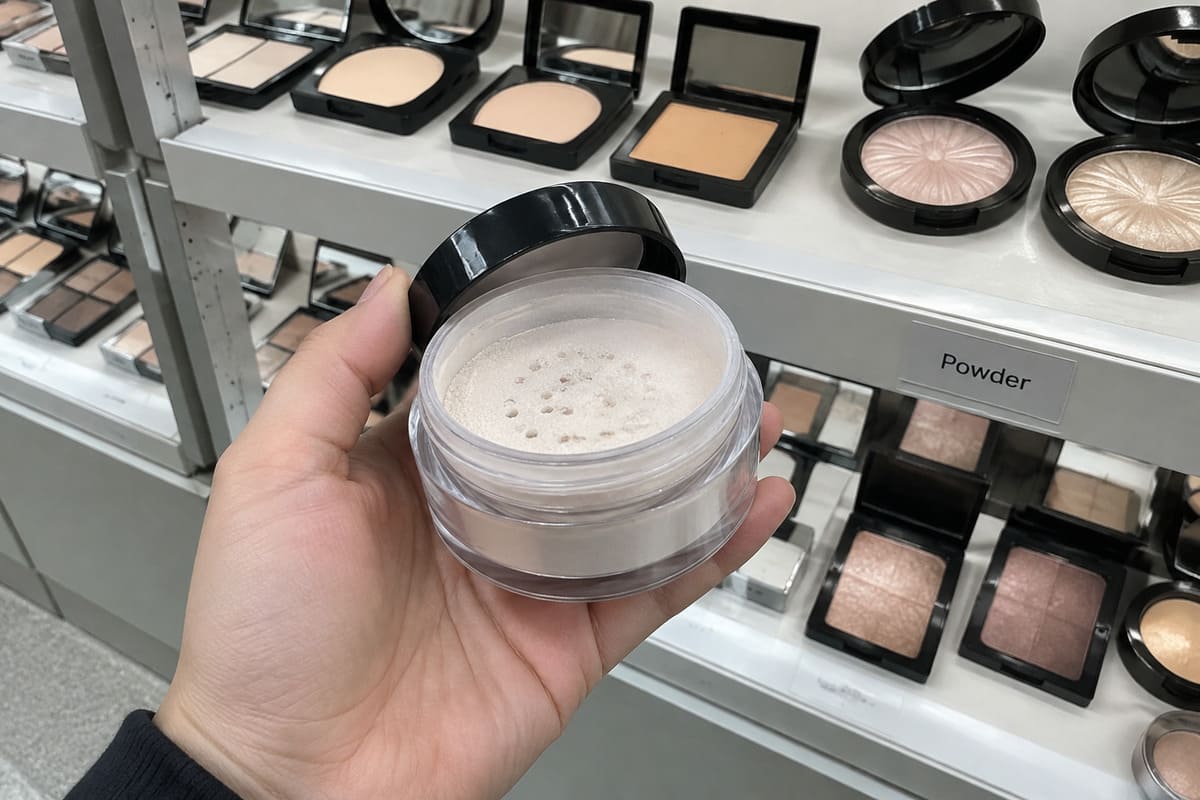
Understanding this structure helps you set realistic expectations—and spot the right partner faster.
The Economics of Pro-Grade Development
Developing a high-pigment, properly pressed, correctly bound formula costs real money. It takes lab time, raw material trials, and repeated press testing. Someone has to absorb that cost. This creates a split in the market:
- Large ODMs cover development cost by demanding enormous MOQs—often 20,000 to 50,000 units per shade. That gates out every founder and most artists.
- Low-end factories keep prices down by never developing at all. They press cheap stock pigment into pans and relabel it. They cannot adjust binder ratios because they have no formulation lab.
- Specialist manufacturers sit in the middle, willing to develop but needing a floor that makes it viable.
Why Our 2,000-Unit Minimum Exists
I want to be direct about our own threshold. Our 2,000-unit minimum is not an arbitrary gate to squeeze you. It is the realistic development floor. Below that volume, I cannot justify adjusting binder ratios and dialing in press hardness for your specific targets—the per-unit development cost becomes impossible. At 2,000 units, the engineering actually holds, and you get a genuine validation trial instead of relabeled stock.
| Factory Type | Typical MOQ | Development Capability | Who It Serves |
|---|---|---|---|
| Large ODM | 20,000–50,000+ | Full, but high gate | Established big brands |
| Low-end factory | 500–1,000 | None (relabels stock) | Price-only buyers |
| Specialist (like us) | ~2,000 | Real formula adjustment | Founders, artists, growing brands |
What We Engineer—and What We Don't Do
I believe trust comes from clear boundaries, not from claiming we can do everything. Plenty of factories say yes to every request and deliver poorly on most. I would rather tell you exactly where we excel and where we are the wrong choice. That honesty protects your project.
At Vertina, we engineer professional-grade powder color: highly pigmented eyeshadows, chameleon and sparkle finishes, blushes, and pressed face powders. We do not produce liquid special FX, stage paint, or any wet formulas. We also refuse white-label relabeling. If you want to buy existing pro brands wholesale, we are not your fit—but if you want to build your own pro-grade powder line, we are.
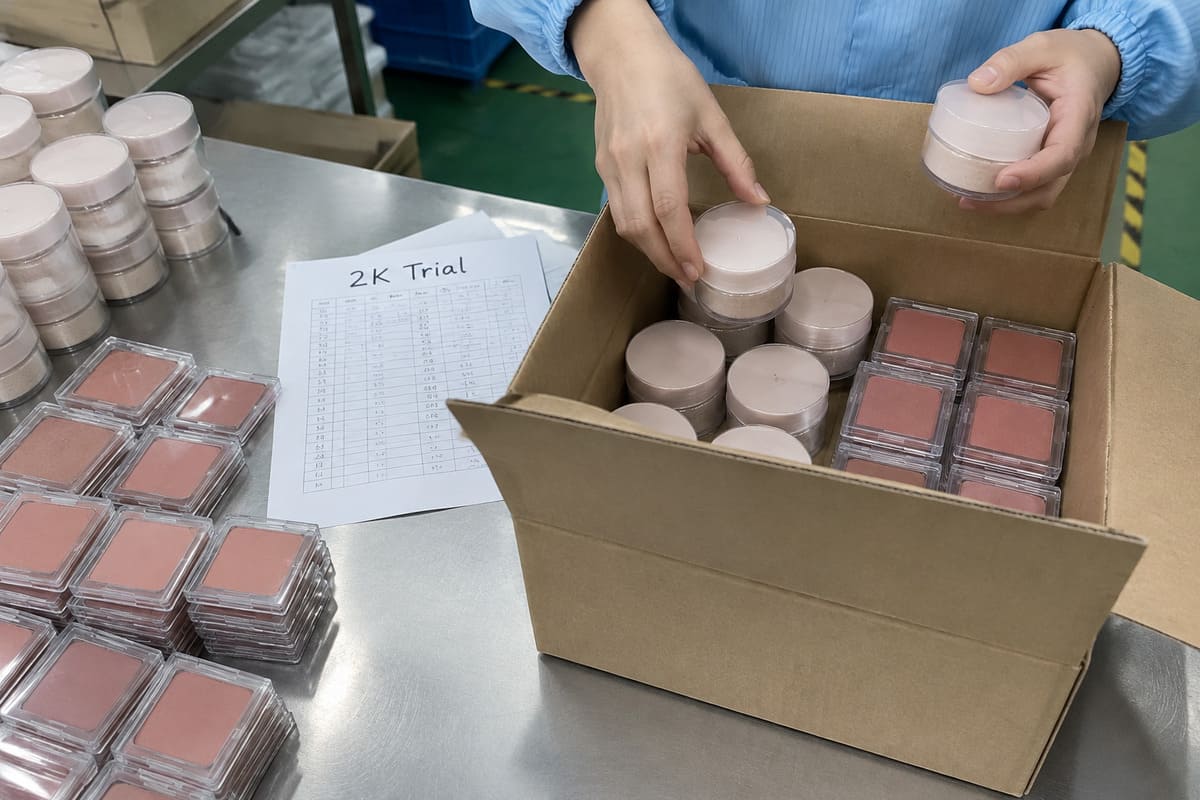
Our focus is deliberate. Powder color engineering—pigment, press, and binder—is a deep discipline, and we chose to master it rather than dilute our capability across unrelated categories.
Where We Lead
Our strength is "play-with-color" powder: special-effect finishes, high saturation, and color-shift technology like chameleon and sparkle shadows11. These are the hardest powders to engineer well, and they are exactly where our development process earns its keep. We tune pigment load, press hardness, and binder ratio together so your payoff survives the swatch, the camera, and the shipping container.
Where We Draw the Line
I will not pretend. Here is what we do not do:
- No liquid special FX or stage paint. Different chemistry, different equipment. Not our craft.
- No white-label relabeling. We develop formulas; we do not slap your logo on generic stock.
- No wholesale of other pro brands. If you want to resell existing brands, a distributor serves you better than we do.
What a Starting Relationship Looks Like
If you are building a pro-grade powder line, the path begins with a conversation about targets, then a sample round, then a 2,000-unit validation trial. That trial lets you test the market at a realistic scale without a reckless, high-risk commitment. When an artist first came to me worried her private shadow line would come back chalky, this staged process is exactly how we turned her fear into a shippable product.
Frequently Asked Questions
What is the difference between a makeup manufacturer and a distributor?
A manufacturer develops and produces formulas, adjusting pigment load, press hardness, and binder ratios to your brief. A distributor only resells finished stock made by someone else. The clearest test is the first reply: manufacturers ask about your performance targets, while distributors send a catalog of existing products.
What MOQ should I expect from a professional makeup manufacturer?
It varies by factory type. Large ODMs often require 20,000 to 50,000 units per shade. Low-end factories may accept 500 units but offer no real development. Specialist manufacturers typically sit near 2,000 units, which is the realistic floor for adjusting formulas without the per-unit development cost becoming unworkable.
How do I verify a factory can produce true pro-grade powder?
Ask about three metrics directly: how they prevent clumping at high pigment loads, how they balance press hardness against shatter resistance, and how they tune the binder system for wear time. Specific, confident answers signal a real developer. Vague or evasive answers signal a reseller.
Does Vertina make liquid or special FX makeup?
No. We specialize exclusively in professional-grade powder color—eyeshadows, chameleon and sparkle finishes, blushes, and pressed powders. We do not produce liquid special FX, stage paint, or wet formulas. We focus on powder engineering so we can master it rather than dilute our capability.
Can I test the market before placing a large order?
Yes. Our 2,000-unit validation trial is built for exactly this. It lets founders and artists test real pro-grade product in their market without a massive, high-risk commitment. The volume is set at the realistic threshold where formula development—binder ratios and press hardness—actually holds.
Conclusion
Choosing a professional makeup manufacturer comes down to one honest question: does this factory engineer color, or just resell it? A distributor sends a catalog. A real manufacturer asks about your pigment load, press hardness, and binder system—then develops to your brief. Those three metrics are your acid test, and the first reply is your fastest filter. Genuine pro-grade developers are rare because the economics are hard, which is why a realistic development floor matters. If you are ready to build your own pro-grade powder line, reach out and let's discuss your pigment and texture targets—our 2,000-unit validation trial is where your professional standards should start.
"How To Do Keyword Research For B2B Business", https://www.ivicuo.com/blog/how-to-do-keyword-research-for-b2b-business/. Industry analyses of search marketing indicate that consumer-oriented retail keywords typically generate larger aggregate query volume and advertising expenditure than narrower B2B terms. Evidence role: general_support; source type: research. Supports: Retail and consumer keywords generally show higher aggregate search volume and advertising investment than specialized B2B terms.. Scope note: Available analyses are often vendor-published rather than peer-reviewed, and figures vary by category, so they provide contextual rather than definitive support. ↩
"Large Language Models for Information Retrieval: A Survey", https://arxiv.org/html/2308.07107v3. Research in information retrieval describes how ranking systems resolve ambiguous queries toward the most probable or dominant user intent when allocating top result positions. Evidence role: mechanism; source type: research. Supports: Search ranking systems interpret ambiguous queries toward their most common intent and prioritize results accordingly.. Scope note: Academic models of query intent describe general principles and may not reflect the proprietary, undisclosed ranking behavior of any specific commercial engine. ↩
"Makeup for Film Camera: How DPs and Makeup Artists Work", https://www.dfirentals.com/news/cinematographers-makeup-artists-makeup-for-film-camera. Professional makeup references note that pigment payoff and finish influence appearance under camera and high-definition recording, where lower-quality color can read as uneven or chalky. Evidence role: general_support; source type: other. Supports: Pigment quality and finish materially affect how professional makeup appears under camera and high-definition recording conditions.. Scope note: Supporting material tends to be practitioner guidance rather than controlled research, providing contextual support for the professional-stakes claim. ↩
"The case of cork powder", https://pubmed.ncbi.nlm.nih.gov/40213859/. Cosmetic formulation literature documents that pigment loading exceeding a system's dispersion capacity leads to particle aggregation and reduced application uniformity in pressed powders. Evidence role: mechanism; source type: paper. Supports: High pigment loading beyond a formulation's dispersion capacity produces aggregation and uneven deposition in powder cosmetics.. Scope note: Formulation thresholds are product-specific, so published findings support the general mechanism rather than the exact outcomes described for this manufacturer's formulas. ↩
"Meadowfoam seed oil as a natural dispersing agent for ... - PMC", https://pmc.ncbi.nlm.nih.gov/articles/PMC9135126/. Formulation references describe dispersants and filler systems as controlling pigment distribution and sensory feel, enabling saturated color without compromising powder smoothness. Evidence role: mechanism; source type: research. Supports: Dispersing agents and filler systems influence pigment distribution and the sensory texture of pressed powder cosmetics.. Scope note: The cited mechanism is general to color cosmetics and does not verify the specific formulation practices of any individual manufacturer. ↩
"Measurement of hardness and strength of tablets and their ...", https://pubmed.ncbi.nlm.nih.gov/2872288/. Studies of powder compaction report that compaction force governs mechanical strength and fracture resistance, with insufficient compaction associated with higher breakage under mechanical stress. Evidence role: mechanism; source type: paper. Supports: Compaction pressure affects the mechanical integrity and fracture resistance of pressed powder products.. Scope note: Much compaction research derives from pharmaceutical tableting, so it supports the underlying principle rather than cosmetic pan durability specifically. ↩
"Understanding Hard Pan in Makeup: Causes and Solutions", https://www.tiktok.com/@thelipsticklesbians/video/7324521496905370923?lang=en. Cosmetic formulation guidance describes how excessive compaction can produce a hardened surface layer, commonly termed glazing, that impairs product pickup during application. Evidence role: mechanism; source type: research. Supports: Excessive compaction forms a hardened surface layer on pressed powders that reduces product release during application.. Scope note: Descriptions of glazing are largely practitioner and industry sources rather than peer-reviewed studies, offering contextual support. ↩
"Drought Monitoring Information for the Middle East and ...", https://storm.uml.edu/~barlow/drought_me_swa.html. Climate data from meteorological agencies document the high temperature and humidity ranges typical of Middle Eastern and Southeast Asian regions, conditions that increase thermal and mechanical stress on shipped products. Evidence role: general_support; source type: government. Supports: Regions including the Middle East and Southeast Asia experience high ambient temperatures and humidity that increase environmental stress on transported goods.. Scope note: Climate records establish environmental conditions but do not directly measure cosmetic pan durability under those conditions. ↩
"Effect of Increased Powder–Binder Adhesion by Backbone ...", https://pmc.ncbi.nlm.nih.gov/articles/PMC9460726/. Formulation literature identifies binders as the components providing internal cohesion and skin adhesion in powder cosmetics, functions associated with product wear. Evidence role: definition; source type: research. Supports: Binder systems in powder cosmetics contribute to cohesion within the compact and adhesion of product to skin, affecting wear.. Scope note: General formulation sources support the binder's role without quantifying wear-time effects for any specific product. ↩
"Raw Material Minimum Order Quantity Optimization", https://dspace.mit.edu/bitstream/handle/1721.1/121302/1240293813-MIT.pdf?sequence=1. Reference definitions of original design manufacturing describe firms that design and produce goods for rebranding by clients, with minimum order requirements commonly tied to development and production setup costs. Evidence role: definition; source type: encyclopedia. Supports: Original design manufacturers develop products for client brands and commonly set minimum order quantities reflecting development and tooling costs.. Scope note: General definitions support the ODM model but do not confirm the specific 20,000 to 50,000 unit thresholds stated in the article. ↩
"Articles: Color, Thin Films, and Interference", https://osa.magnet.fsu.edu/teachersparents/articles/colorthinfilmsinterference.html. Research on effect pigments explains that color-shift or chameleon appearances result from thin-film interference structures that change perceived color with viewing angle. Evidence role: mechanism; source type: research. Supports: Color-shift or chameleon visual effects arise from interference pigments whose perceived color varies with viewing and illumination angle.. Scope note: The optical mechanism is well documented in materials science but the citation does not address the specific cosmetic formulations referenced. ↩