The cost to manufacture makeup is the first thing that terrifies every new brand founder, and the vague numbers online make it worse. You search for a straight answer and get told "somewhere between $3,000 and $25,000." That gap is useless when you have a real budget and a real deadline. Here is the honest breakdown.
The cost to manufacture makeup ranges from roughly $500 for a tiny stock-packaging batch to $25,000+ for a fully custom 5,000-unit line.1 The visible unit cost (formula, packaging, assembly) usually runs $1.60 to $7.50 per unit, but hidden pre-production fees — molds, sampling, and compliance testing — can add $2,500 to $8,000 before a single product ships.
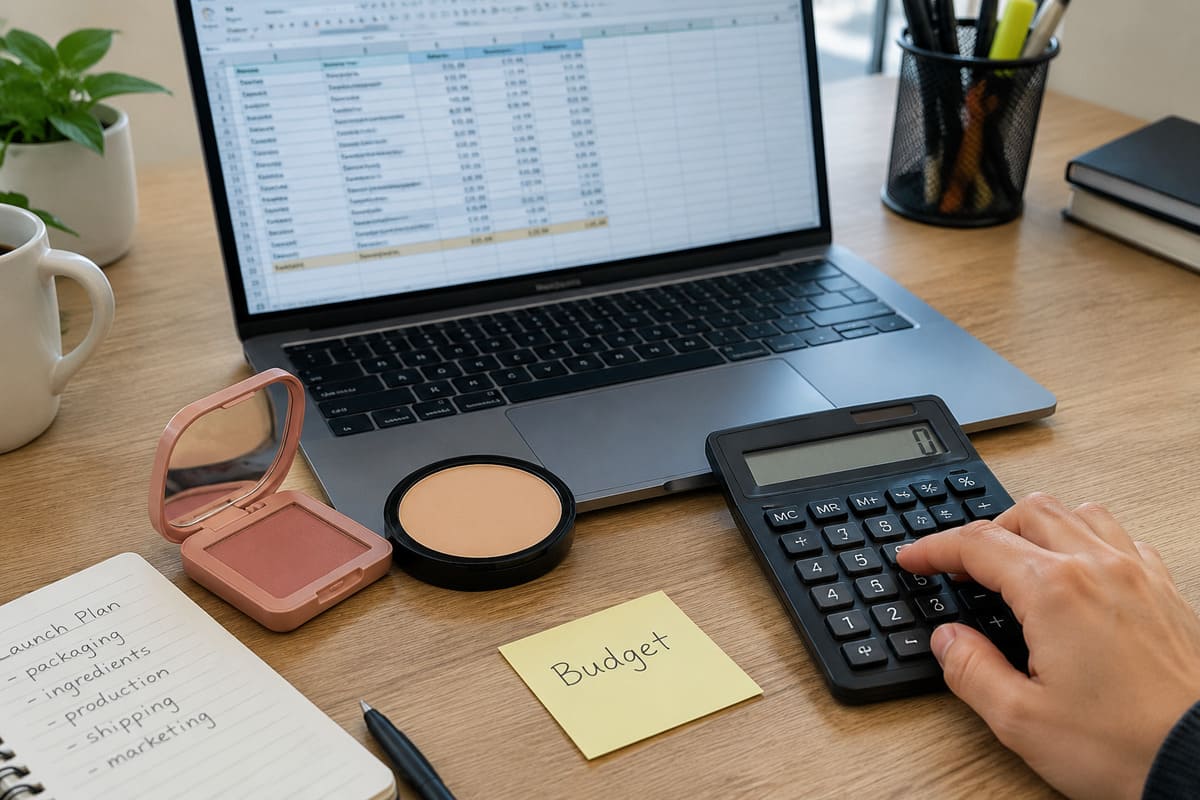
That number surprised you, right? Most quotes only show you the tip of the iceberg. Below, I will break down what is hiding underwater, the three realistic budget tiers I use with my own clients, and a real story where this knowledge saved a founder from going broke.
What Does "Manufacturing Cost" Really Mean for a Brand Founder?
You ask one supplier for a price and get "$3 a unit." You ask another and get "$5,000 total." Neither answer tells you what you actually need to prepare. That confusion is where most first-time budgets quietly collapse.
For a brand founder, manufacturing cost is not the unit price. It is the total upfront capital you must prepare before your first sale — unit costs plus hidden pre-production fees like tooling, sampling, and compliance testing. The real question is how much cash you need before revenue, not what one lipstick costs.
Here is the gap I see constantly. A founder emails me with a $10,000 budget and asks for the "unit price" of an eyeshadow palette. That is the wrong question. The unit price is only one line on a much longer invoice.
When I talk to buyers from Southeast Asia, the Middle East, or new DTC founders in the US, I reframe the conversation immediately. I ask three things:
- What is your total launch budget? Not the per-unit target.
- How much of that must survive for marketing? Product you cannot sell is dead inventory.2
- Do you need differentiation, or just a product? This single answer changes the cost by thousands.
Why the "unit price" framing is a trap
A $2 unit price feels cheap until you learn the minimum order is 10,000 units. Suddenly your "cheap" product costs $20,000 before packaging customization. A $5 unit price with a 2,000-unit minimum is often the smarter play. The per-unit number means nothing without the MOQ3 and the hidden fees attached to it. I have watched founders chase the lowest unit price straight into a budget disaster. The total upfront cost is the only number that keeps you solvent.
Why Is the "$3 Per Unit" Quote Hiding the Real Price?
You get a clean quote: "$3 per unit, 5,000 units, $15,000." You budget for exactly that. Then the mold fee, the testing fee, and the sampling rounds arrive like a second invoice you never saw coming.
The "$3 per unit" quote hides the real price because it only covers the visible tip of the iceberg — formula, packaging, and assembly. It excludes the underwater pre-production costs: custom mold fees ($2,000–$5,000), compliance testing ($500–$1,500 per SKU), and sampling rounds ($50–$200 each). These can double your true investment.
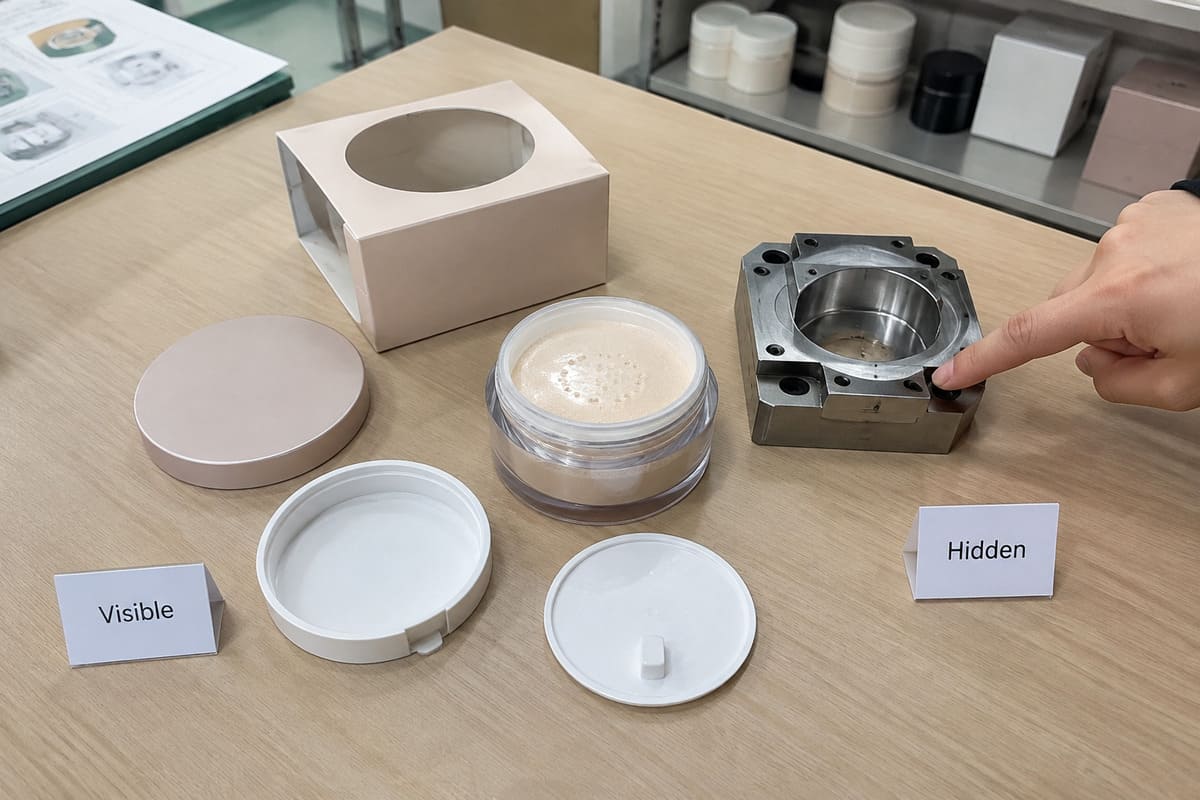
Think of your entire manufacturing cost as an iceberg. Buyers only see the part above the water. The part that sinks budgets sits below.
The Visible Tip: Your Unit Cost
This is what every supplier quotes first. It is real, but it is incomplete.
| Visible Component | Typical Cost Per Unit | What It Covers |
|---|---|---|
| Formula | $0.50 – $3.00 | The bulk product (eyeshadow pressing, blush, powder) |
| Packaging | $0.60 – $3.00 | Compact, palette tray, sleeve, applicator |
| Assembly | $0.50 – $1.50 | Filling, pressing, printing, boxing, QC |
So a mid-range eyeshadow palette lands around $1.60 to $7.50 per unit. That is the number most articles stop at.
The Hidden Underwater Costs: Pre-Production
These are one-time fees you pay before mass production starts. They do not scale per unit, which is exactly why they shock founders.
| Hidden Cost | Typical Range | When It Applies |
|---|---|---|
| Sampling fees | $50 – $200 per round | Every time you adjust formula or color |
| Compliance testing (MoCRA / FDA / stability)4 | $500 – $1,500 per SKU | Required for US/EU market entry |
| Mold / tooling fees | $2,000 – $5,000 | Only for custom-molded packaging |
I want to be clear about certifications and testing. These are documents and reports you, the buyer, should verify for your specific target market. Different countries have different requirements, and I always recommend a qualified compliance professional review your application before you commit to a market. I treat these as costs you plan for, not fine print I bury.
What Are the 3 Realistic Budget Tiers for Launching a Makeup Brand?
You have a number in your head. Maybe it is $2,000, maybe $20,000. The problem is you do not know which tier that number buys you, so you cannot tell if your plan is realistic or doomed.
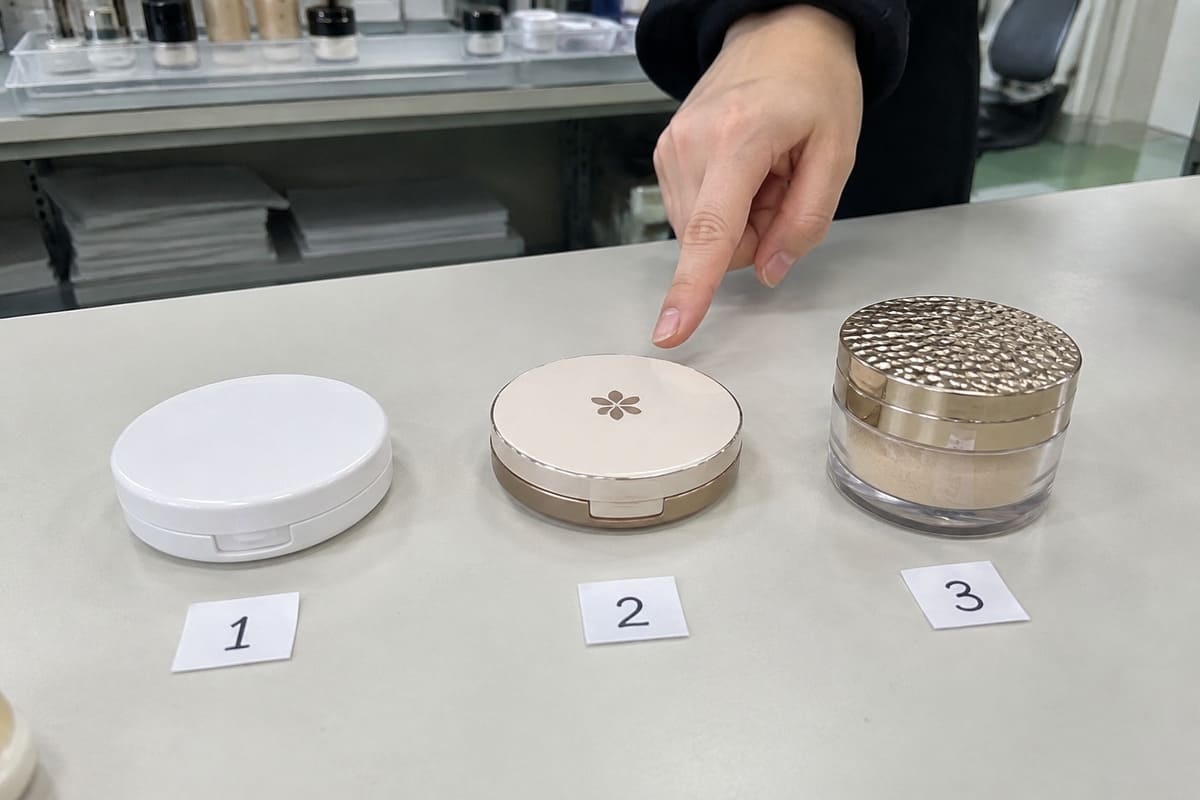
There are three realistic budget tiers for launching a makeup brand: Tier 1 (public molds, 50–100 units, $500–$1,500) with zero differentiation; Tier 2 (standard products with custom logo, 2,000 units, $5,000–$8,000) for market validation; and Tier 3 (exclusive formula and custom molds, 5,000–10,000 units, $15,000–$25,000+) for a true brand.
Here is the table I share with every founder before we talk product. It is based on real minimum order quantities I run in my factory, not platform marketing numbers.
| Budget Tier | What You Get | Hidden Costs | Realistic Total Upfront |
|---|---|---|---|
| Tier 1: Public Molds (50–100 units) | Stock formula + stock packaging | No hidden fees, but zero differentiation. Very hard to sell. | $500 – $1,500 |
| Tier 2: Validation Jump (2,000 units) | Standard eyeshadow palettes + custom logo/sleeve | Minor packaging and sampling fees | $5,000 – $8,000 |
| Tier 3: True Brand Custom (5,000–10,000 units) | Exclusive formula + custom-molded packaging | Mold fees + stability testing + compliance fees | $15,000 – $25,000+ |
How MOQ changes your hidden costs
This is the part most founders miss. Your MOQ decides whether the hidden costs even apply.
- At Tier 1, you ride public molds and stock formulas. No mold fee. But you are selling the same compact as a hundred other sellers. I am honest about this: it is very hard to sell a product with no story.
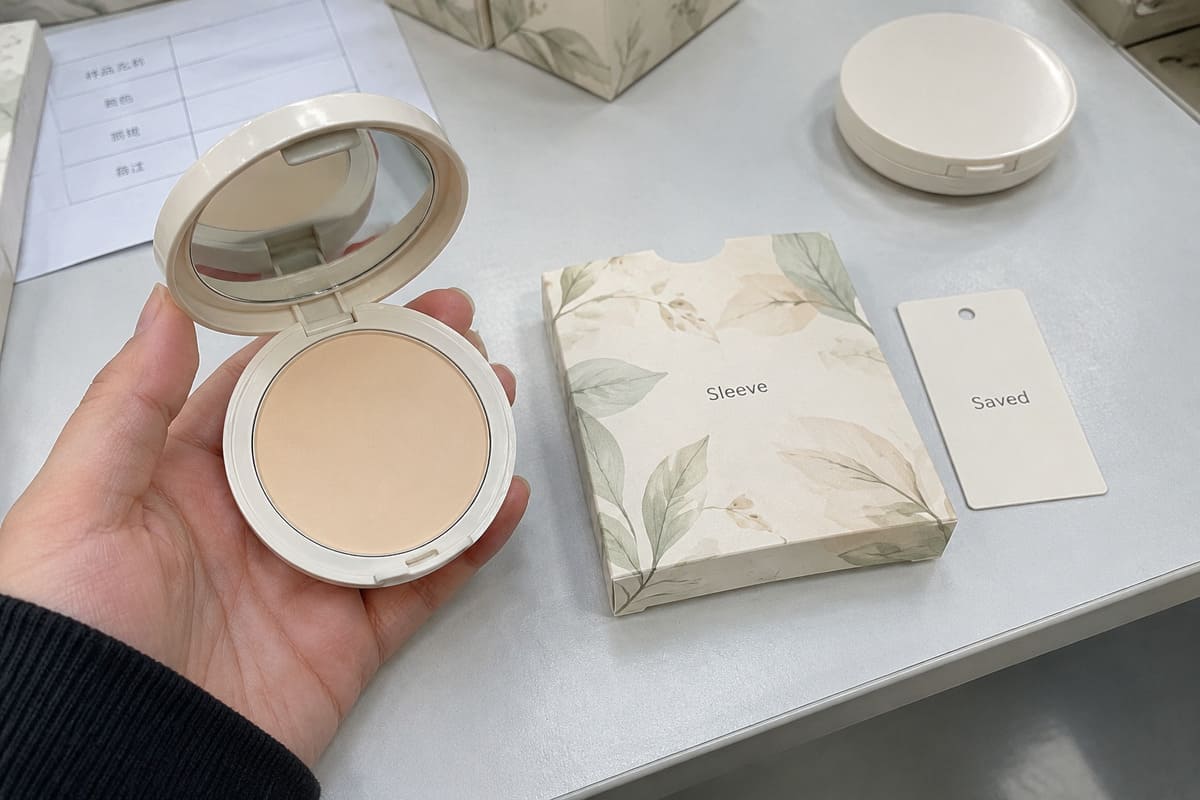
- At Tier 2, you keep the standard packaging but add your logo and a custom printed sleeve. You unlock differentiation for a small sampling fee. This is the sweet spot for testing a market.
- At Tier 3, the custom mold and dedicated testing kick in. Now you have a real brand asset, but you need the capital to support it.
Many platforms advertise "50-unit" MOQs. That is Tier 1. You are buying generic stock packaging with zero differentiation. You save on upfront cost, but you lose on sales. I would rather tell you that now than after you have inventory you cannot move.
How Did We Save a Client from a Budget Disaster?
A founder came to me excited and underfunded at the same time. He had a clear vision and a hard limit. The two did not match, and he could not see it yet.
We saved a client with a strict $10,000 budget by steering him away from a custom-molded 5,000-unit palette, where the $3,000 mold fee alone would have consumed 30% of his capital. Instead, we ran a 2,000-unit batch on our standard palette with a custom sleeve. This cut his upfront cost by 60% and left cash for marketing.
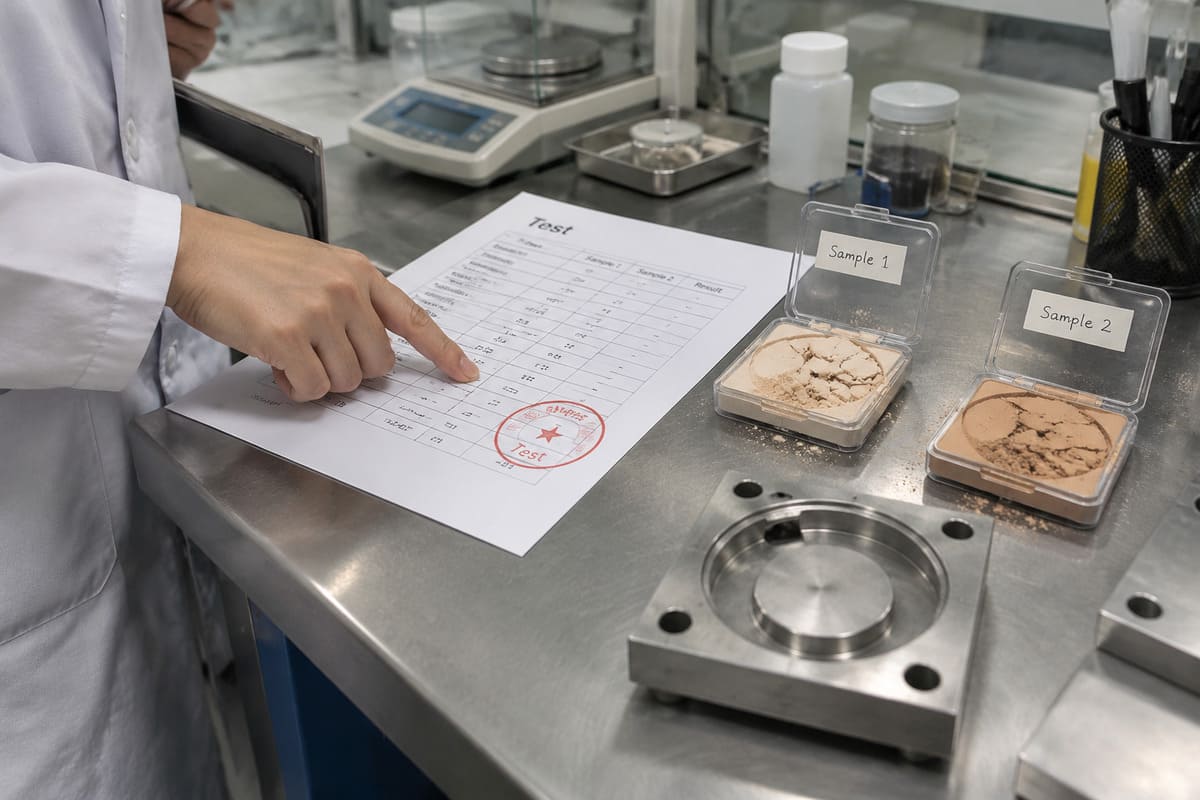
Here is the full story, because the numbers tell it better than I can.
The problem: a budget set up to fail
He wanted a fully customized 5,000-unit eyeshadow palette with a custom-molded compact. I ran the real math for him:
| Line Item | Cost |
|---|---|
| Custom mold (tooling) | $3,000 |
| Stability + compliance testing5 | ~$1,200 |
| 5,000 units at ~$4 | $20,000+ |
| Total upfront | Over $24,000 |
His budget was $10,000. The mold fee alone would have eaten 30% of it. The full plan would have drained every dollar, leaving zero for TikTok ads. He was not setting up a brand. He was setting up a warehouse of unsold product.
The solution: the Iceberg Model in action
I showed him the iceberg. Then I made a simple recommendation: skip the custom mold for now. We ran 2,000 units on our standard eyeshadow palette with a custom printed sleeve. Same visible quality, strong shelf presence, 60% lower upfront cost.
I told him plainly: "I would rather sell you 2,000 units today and 5,000 next year than sell you 5,000 units once and watch your brand die." That is the whole philosophy.
The result: a brand built step by step
His 2,000 units sold out, because he actually had the budget to market them. With the profit from batch one, he came back and ordered the 5,000-unit custom-molded compact he originally wanted. He got his dream product. He just got it in the right order.
What Are the Hidden Pre-Production Costs You Must Budget For?
You planned for the product. You did not plan for everything that happens before the product exists. That gap between "I have a budget" and "I have inventory" is where the hidden fees live.
The hidden pre-production costs you must budget for are sampling rounds ($50–$200 each), compliance and stability testing ($500–$1,500 per SKU for markets like the US under MoCRA), and mold or tooling fees ($2,000–$5,000) for any custom packaging. Budget 20–40% of your total above unit costs to cover these.
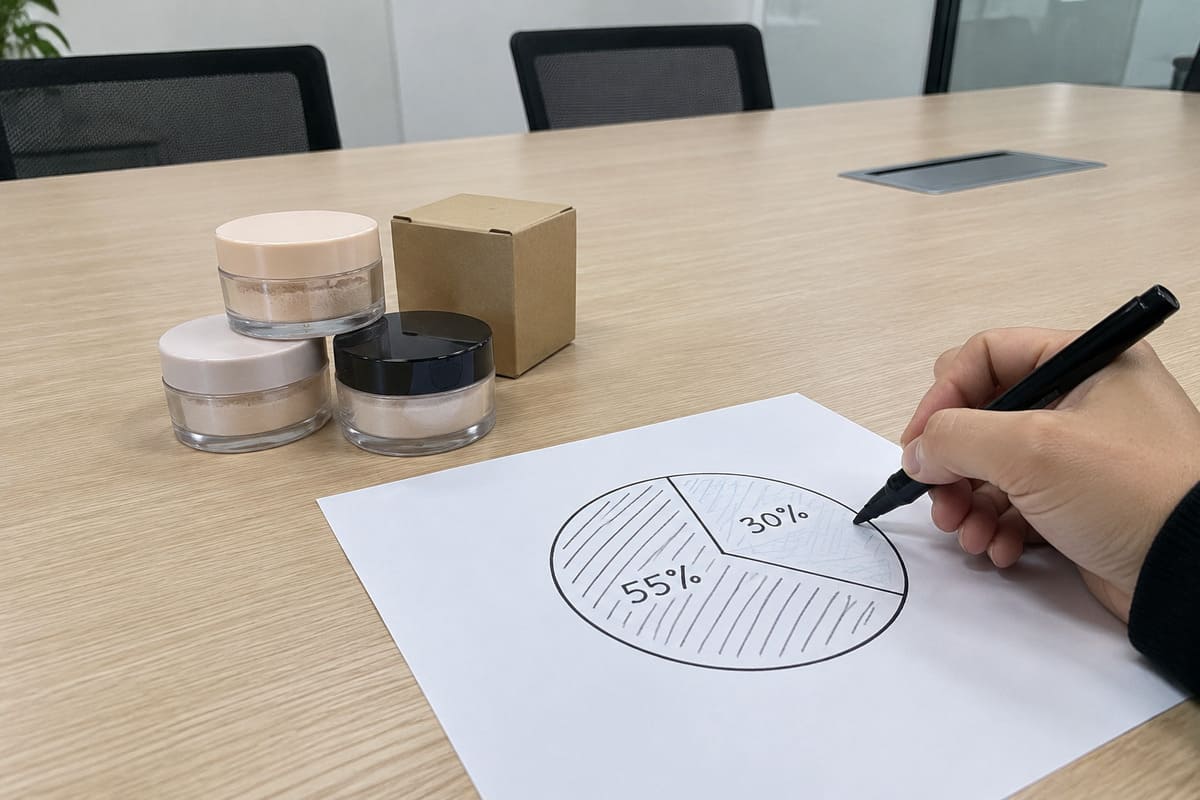
Let me break each one down so nothing surprises you.
Sampling fees
You rarely approve a product on the first sample. Color matching, texture, and pressing all take iterations.6 Each round runs $50–$200. Budget for at least two to three rounds. A founder chasing an exact shade might need five.
Compliance and stability testing
This depends entirely on where you sell. Selling into the US now involves MoCRA registration considerations.7 The EU has its own framework.8 Markets like Saudi Arabia and the wider Gulf region have specific conformity requirements.9 I treat every certification as a document the buyer must verify for their market, and I recommend a qualified regulatory professional confirm your exact obligations. My standard answer to founders: assume $500–$1,500 per SKU for testing if you target the US or EU, and confirm the current requirement with a compliance expert before you produce.
Mold and tooling fees
This is the big one. A custom-molded compact costs $2,000–$5,000 to tool.10 It is a one-time fee, so it hurts most on small batches.11 On 2,000 units a $3,000 mold adds $1.50 per unit. On 20,000 units it adds $0.15. This is why I push small brands toward custom sleeves over custom molds until volume justifies the tooling.
How Do I Allocate My Budget to Validate the Market Without Going Broke?
You are afraid of two things at once: spending too little to make a real product, and spending so much you cannot market it. Both fears are valid. The answer is allocation, not just a bigger budget.
To validate the market without going broke, keep production to 50–60% of your total budget and reserve 40–50% for marketing and operations12. Choose Tier 2 (around 2,000 units with a custom sleeve) over a custom-mold launch. Prove demand first, then reinvest profit into custom tooling for your next batch.
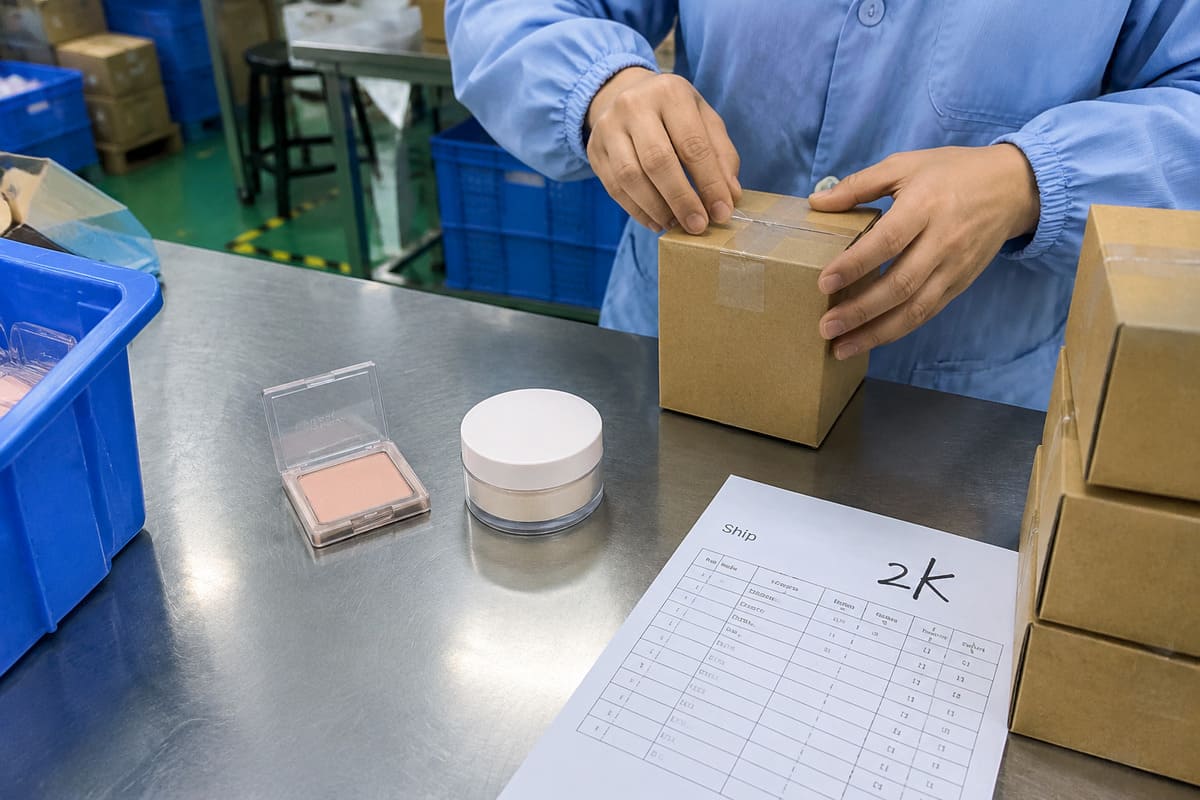
Here is how I tell founders to split a real $10,000 budget:
| Allocation | Share | Amount | Purpose |
|---|---|---|---|
| Production (2,000 units) | 55% | ~$5,500 | Product you can actually sell |
| Marketing (ads, creators) | 30% | ~$3,000 | Demand generation |
| Shipping + operations | 10% | ~$1,000 | Freight, duties, fulfillment |
| Buffer | 5% | ~$500 | Sampling, surprises |
The harsh truth I will always tell you
I will be blunt, because I would rather you survive than place one doomed order. If you only have $2,000, do not try to build a custom brand. Start with a small batch of standard products, or wait until you have more capital. A custom-molded, fully tested launch on $2,000 is not a strategy. It is a way to lose $2,000.
Start smart. Scale later. I have seen the step-by-step path work far more often than the all-in gamble.
Frequently Asked Questions
How much does it cost to manufacture makeup for a first-time brand?
For a first-time brand, expect $5,000–$8,000 total to manufacture makeup at a realistic 2,000-unit validation batch with custom branding. This includes unit costs, sampling, and minor packaging fees. A full custom launch with molds and testing runs $15,000–$25,000+.
Why do makeup manufacturing quotes vary so much?
Quotes vary because most suppliers only quote the visible unit cost and omit hidden pre-production fees. Mold tooling ($2,000–$5,000), compliance testing ($500–$1,500 per SKU), and sampling rounds are often excluded. Always ask for a quote that separates unit cost from one-time fees.
What is the real minimum order quantity for custom makeup?
A truly custom product with exclusive formula and molded packaging typically requires 5,000–10,000 units. Platforms advertising 50-unit MOQs are selling stock packaging with no differentiation. For meaningful branding at a lower commitment, a 2,000-unit batch with a custom printed sleeve is the practical minimum.
Do I need compliance certifications to launch a makeup brand?
It depends on your target market. The US (MoCRA), EU, and Gulf states each have distinct requirements. Treat all certifications as documents you must verify for your specific market, and have a qualified regulatory professional confirm your exact obligations before production.
Can I launch a makeup brand with $3,000?
You can launch a small stock-packaging batch for $500–$1,500, but $3,000 is not enough for a differentiated custom brand once you add testing and marketing. I recommend starting with a validation batch or waiting until you have $8,000–$10,000 total.
Conclusion
The true cost to manufacture makeup is not a single unit price. It is an iceberg of visible unit costs sitting on top of hidden pre-production fees, and your MOQ decides how deep that iceberg goes. Match your ambition to one of the three budget tiers, protect 40–50% of your capital for marketing, and prove demand before you pay for custom molds. I would rather give you the honest numbers than a hopeful quote. If you want a transparent, line-by-line breakdown for your exact product and target market, send me your budget and I will build your real tier plan.
"Terms of Service | Cosmetics Manufacturer & OEM/ODM", https://vertinabeauty.com/terms-of-service/. Industry analyses of private-label cosmetic manufacturing document a broad range of startup costs driven by volume and customization, providing contextual support for the article's stated range. Evidence role: statistic; source type: research. Supports: That reported costs for private-label and custom cosmetic manufacturing vary widely with order volume and degree of customization.. Scope note: Available figures are indicative market estimates and do not confirm the exact lower and upper bounds cited. ↩
"What Is Dead Stock? Definition, Guide, and How to Prevent It", https://www.netsuite.com/portal/resource/articles/inventory-management/dead-stock.shtml. Inventory management literature defines dead stock and its carrying-cost implications, supporting the article's characterization of unsellable product as a capital drain. Evidence role: definition; source type: education. Supports: That unsold or slow-moving inventory, often termed dead stock, represents tied-up capital and carrying costs for a business.. Scope note: The definition supports the concept but does not quantify the specific risk for a cosmetics launch. ↩
"Economies of scale", https://en.wikipedia.org/wiki/Economies_of_scale. Reference material on economies of scale and the distinction between fixed and variable costs explains why average unit cost declines as volume rises, supporting the article's argument that unit price is meaningless without order quantity. Evidence role: definition; source type: encyclopedia. Supports: That average unit cost depends on production volume because fixed costs are distributed across the number of units produced.. Scope note: The economic principle supports the reasoning generally but is not specific to cosmetics manufacturing. ↩
"Modernization of Cosmetics Regulation Act of 2022 (MoCRA)", https://www.fda.gov/cosmetics/cosmetics-laws-regulations/modernization-cosmetics-regulation-act-2022-mocra. Regulatory guidance from authorities such as the FDA and the European Commission establishes safety substantiation obligations for cosmetics, supporting the article's treatment of compliance testing as a required cost. Evidence role: general_support; source type: government. Supports: That regulated markets require safety substantiation and related testing for cosmetic products before or during marketing.. Scope note: Guidance confirms testing obligations exist but does not endorse the article's $500–$1,500 per-SKU estimate. ↩
"Shelf Life and Expiration Dating of Cosmetics", https://www.fda.gov/cosmetics/cosmetics-labeling/shelf-life-and-expiration-dating-cosmetics. Industry and standards guidance on cosmetic stability testing describes its role in determining product shelf life and integrity, supporting the article's treatment of stability testing as a necessary pre-production step. Evidence role: mechanism; source type: institution. Supports: That stability testing is a recognized step in cosmetic product development used to establish shelf life and physical and chemical integrity over time.. Scope note: Standards describe the testing purpose and methodology but not the specific dollar costs claimed. ↩
"What Eyeshadows Do Professional Makeup Artists Use? A Pro ...", https://vertinabeauty.com/what-eyeshadows-do-professional-makeup-artists-use-a-pro-level-supply-guide/. Cosmetic science and product development references describe formulation as an iterative process of sampling and refinement, supporting the article's claim that color, texture, and pressing require multiple rounds. Evidence role: mechanism; source type: institution. Supports: That cosmetic formulation and color development typically proceed through iterative sampling and adjustment cycles before approval.. Scope note: Sources confirm the iterative process but do not establish the per-round cost figures stated. ↩
"Modernization of Cosmetics Regulation Act of 2022 (MoCRA)", https://www.fda.gov/cosmetics/cosmetics-laws-regulations/modernization-cosmetics-regulation-act-2022-mocra. The U.S. Food and Drug Administration describes the registration and product-listing obligations established under the Modernization of Cosmetics Regulation Act of 2022, supporting the article's statement that US market entry now involves MoCRA registration considerations. Evidence role: mechanism; source type: government. Supports: That the Modernization of Cosmetics Regulation Act of 2022 introduced facility registration and product listing requirements for cosmetics marketed in the United States.. Scope note: FDA guidance confirms the existence of registration obligations but does not validate the article's specific per-SKU cost figures. ↩
"EC Regulation 1223/2009 on cosmetics", https://en.wikipedia.org/wiki/EC_Regulation_1223/2009_on_cosmetics. Regulation (EC) No 1223/2009 as published by the European Commission establishes the EU's dedicated legal framework for cosmetic products, substantiating the article's reference to a separate EU regime. Evidence role: definition; source type: government. Supports: That the EU governs cosmetic products under Regulation (EC) No 1223/2009, which sets safety assessment, notification, and labeling requirements.. Scope note: The regulation defines the framework but does not speak to the testing cost ranges cited elsewhere in the article. ↩
"GSO 1943:2024 Cosmetic Safety Standards | PDF", https://www.scribd.com/document/842310437/GSO-1943-2024-Preview. Published standards from the Gulf Standardization Organization and the Saudi Food and Drug Authority document conformity obligations for cosmetics in the Gulf region, supporting the article's statement about region-specific requirements. Evidence role: general_support; source type: government. Supports: That the Gulf Standardization Organization and national bodies such as the Saudi Food and Drug Authority maintain conformity requirements for cosmetic products.. Scope note: These sources confirm requirements exist but do not establish the comparative cost or difficulty implied in the article. ↩
"How to Estimate Injection Molding Cost?", https://formlabs.com/blog/injection-molding-cost/. Manufacturing resources on injection-mold tooling describe one-time tooling costs that scale with mold complexity, providing contextual support for the article's compact tooling range. Evidence role: statistic; source type: education. Supports: That custom injection-mold tooling for small plastic components involves significant one-time fees that vary with mold complexity and cavity count.. Scope note: General tooling cost data does not specifically confirm the $2,000–$5,000 figure for cosmetic compacts. ↩
"The Top 3 Benefits of Tooling Cost Amortization", https://www.hynesindustries.com/blog/the-top-3-benefits-of-tooling-cost-amortization. Manufacturing cost accounting resources describe how one-time tooling expenses are amortized over production volume, supporting the article's point that mold fees weigh most heavily on small batches. Evidence role: mechanism; source type: education. Supports: That one-time tooling costs are amortized across produced units, so their per-unit burden falls as volume increases.. Scope note: The principle is general to manufacturing and does not confirm the specific per-unit figures cited for cosmetic compacts. ↩
"SBA, How to Get the Most From Your Marketing Budget", https://preview.sba.gov/blog/2019/2019-07/how-to-get-the-most-from-your-marketing-budget/. Surveys of marketing budget allocation indicate that growth-stage consumer brands commonly direct a significant share of spending to marketing, providing contextual support for the article's recommended reserve. Evidence role: general_support; source type: research. Supports: That early-stage and consumer brands commonly dedicate a substantial share of their budget to marketing to generate initial demand.. Scope note: Benchmark data reflects general marketing practice and does not validate the specific 40–50% split for cosmetics launches. ↩