What is OEM in the Beauty Industry? (And Why It’s Not the Right Starting Point for Most New Brands)
You searched "what is OEM in the beauty industry" because you want a real answer, not a textbook definition. The problem is most articles stop at "OEM means the factory builds to your formula." That leaves you stuck. You still don't know the MOQ, the cost, or whether OEM is even the right move for your stage. So let me give you the version I give my own clients.
OEM in the beauty industry means the manufacturer produces strictly to your own formula and specifications, with you owning the recipe and the design1. True OEM typically starts at 3,000–10,000+ units2, with first-launch budgets of $18,000–$30,0003 and development timelines of 8–16 weeks4. It is a graduation point for validated brands, not a starting point for new ones.
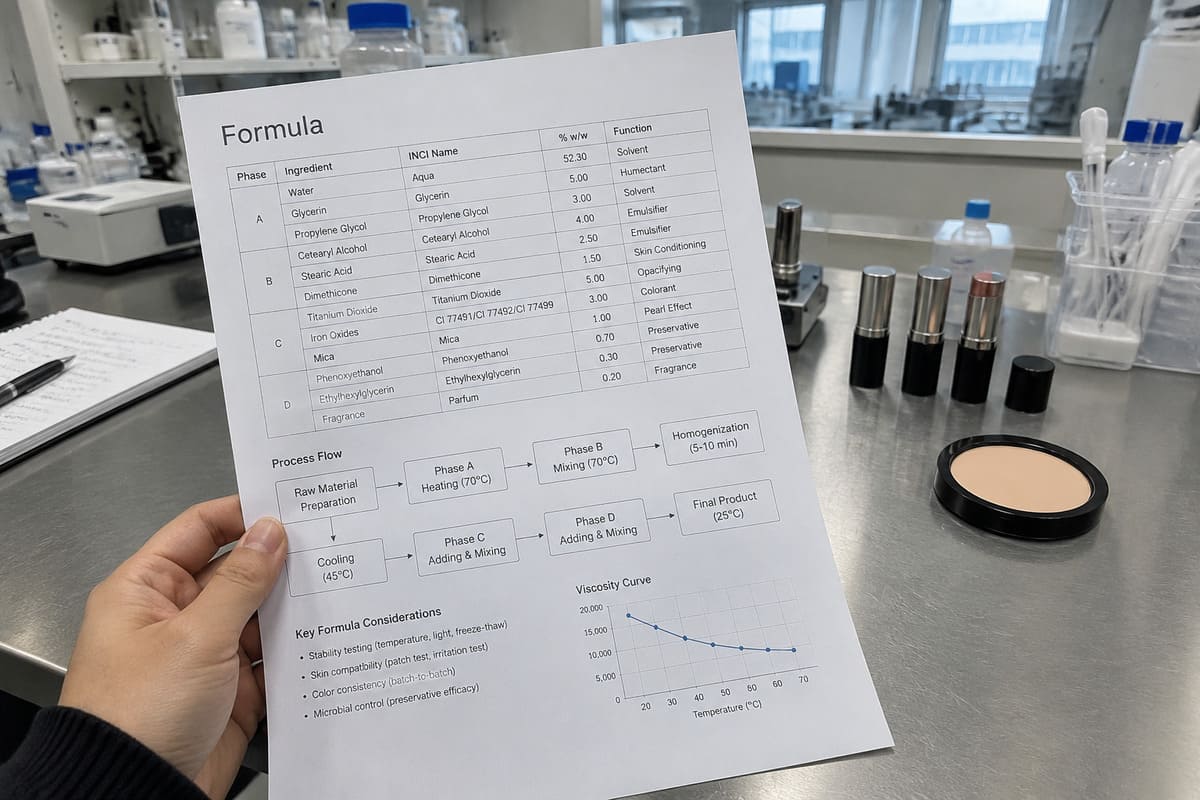
That number probably surprised you. Good. Because the gap between what founders expect OEM to cost and what it actually costs is where most beauty startups quietly die5. Let me walk you through the real ladder, the hidden fees, and the smarter sequence I use with new brands.
What Does “OEM” Really Mean for a New Beauty Brand?
You keep seeing "OEM" in supplier listings, and every factory seems to promise it. But nobody explains what it demands from you. So you assume it's the default way to make a custom product. That assumption can cost you your entire launch budget.
For a new beauty brand, OEM means you own and fund the formula development, you pay for tooling and sampling, and you commit to a high minimum order. OEM in the beauty industry is a full custom-manufacturing model. It delivers maximum differentiation, but it also carries the highest cost, the longest timeline, and the most risk for an unproven product.
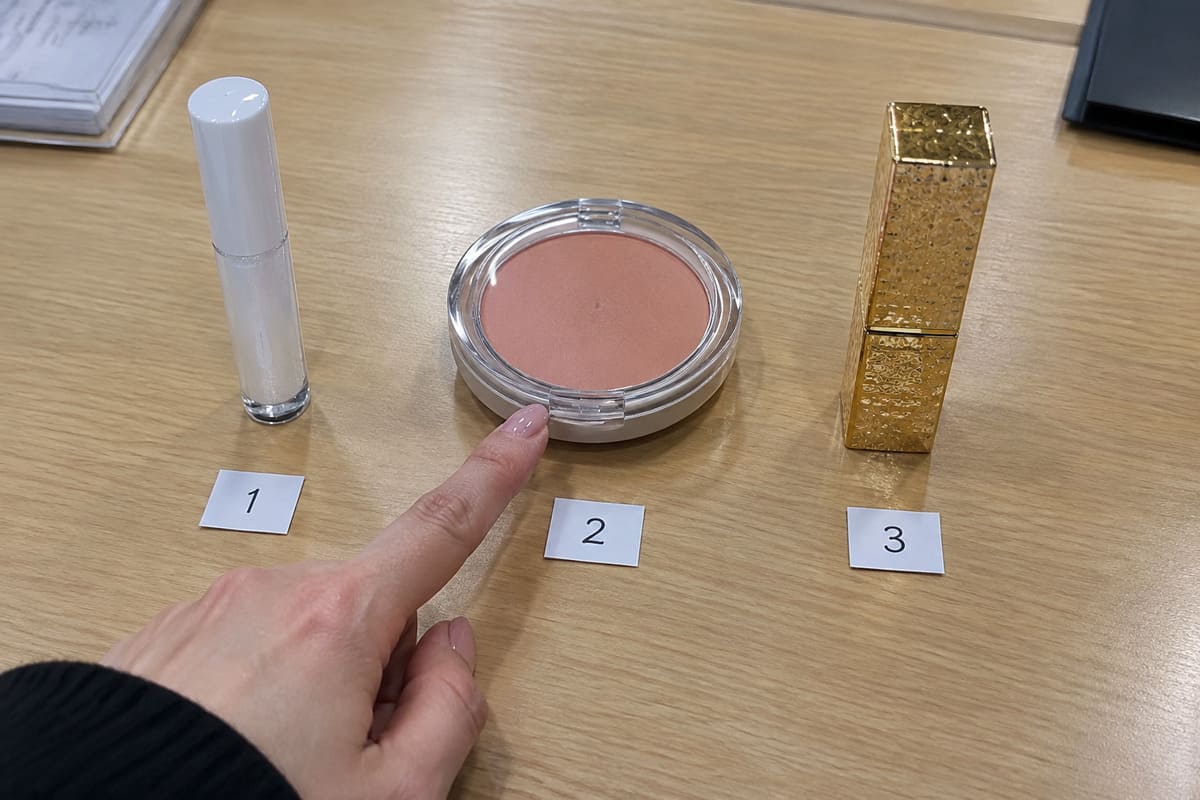
Why the Textbook Definition Fails You
The standard definition is technically correct and practically useless. It tells you what OEM is. It never tells you whether you should do it yet.
Here is what the dictionary version leaves out:
- OEM makes you the formula owner6. If the recipe flops, that is your sunk cost, not the factory's.
- OEM front-loads your spending. You pay for development long before a single unit sells.
- OEM locks you into volume. A 3,000-unit minimum assumes demand you have not proven.
I had a client last year who read three blog posts on OEM and walked in certain it was his only option. He had a formula concept and zero sales data. The definition told him OEM was "custom manufacturing." It did not tell him he was about to wire $25,000 against a hunch. That is the gap I want to close for you.
The Three Words That Actually Matter
When you ask "what is OEM," you are really asking three questions hiding inside one:
- How much money do I need up front?
- How long until I have a product to sell?
- Which model fits where my brand is right now?
Answer those three, and "OEM vs private label vs ODM" stops being jargon and becomes a decision you can actually make.
The Real Ladder: Private Label vs. ODM vs. OEM (MOQ, Cost, and Timeline Compared)
You want a custom beauty product. Fine. But "custom" is not one thing. It is a ladder with three rungs, and each rung has a very different price of admission. Pick the wrong rung and you overpay for your stage.
Private Label, ODM, and OEM form a three-rung manufacturing ladder. Private Label uses a ready stock product with your branding7 (MOQ 500–1,000). ODM lets you tweak a proven factory base formula8 (MOQ 1,000–3,000). OEM builds fully to your own formula (MOQ 3,000–10,000+). Cost, timeline, and risk rise with every rung.
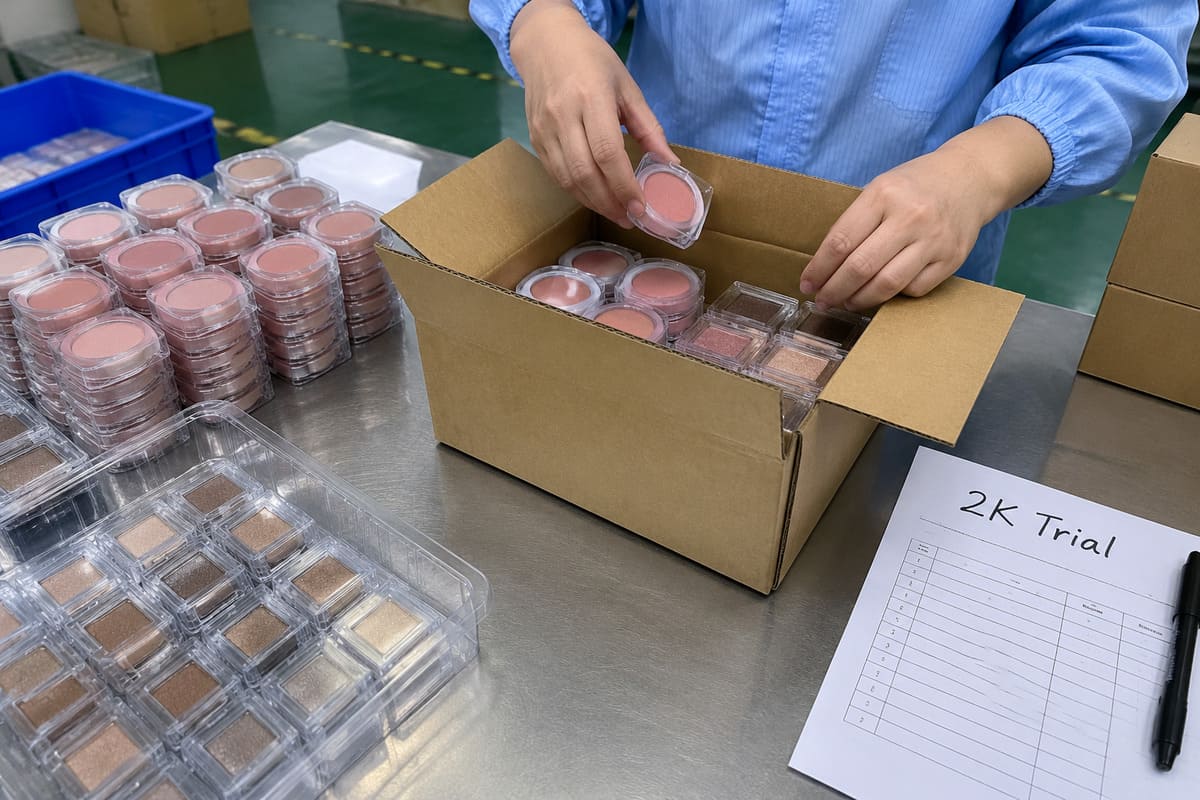
Here is the comparison I actually show clients. I keep it in writing because vague promises help nobody.
| Factor | Private Label | ODM | OEM |
|---|---|---|---|
| Typical MOQ | 500–1,000 units | 1,000–3,000 units | 3,000–10,000+ units |
| Formula | Factory stock | Factory base, you tweak | Your own / funded |
| Formula cost | None | Low to moderate | High |
| Differentiation | Low | Moderate | Maximum |
| Timeline | Fast (weeks) | Moderate | 8–16 weeks+ |
| Typical first-launch budget | Lowest | Middle | $18,000–$30,000+ |
| Best for | Market validation | Brands with some demand data | Validated brands with capital |
Reading the Ladder Correctly
Notice the pattern. As you climb, you gain control and differentiation but you spend more money, more time, and more risk. That trade is worth it only when you have something to protect, namely proven demand.
- Private Label is your test lab. You put a real product in customers' hands fast, with minimal formula cost.
- ODM is your first real fingerprint. The factory gives you a proven base, and you adjust shade, texture, or packaging.
- OEM is your signature. You own the formula outright. That is powerful, and it should be earned.
Most founders get sold the top rung first because it carries the biggest invoice. I think that is backwards. The ladder exists to be climbed, not skipped.
Why Most Startups Should Not Start with OEM (And What to Do Instead)
You have a vision, and OEM promises to make exactly what you imagine. The temptation to go all-in is strong. But here is the agitation most founders ignore: a perfect formula for a product nobody has agreed to buy is just an expensive guess9.
Most startups should not start with OEM because it demands high capital and long timelines before any proof of demand exists. A new brand with no sales data should validate first with a smaller Private Label or entry-level run, then reinvest the revenue into ODM or OEM customization. OEM rewards proven demand, not hopeful guesses.
A Real Client Case: Earning the OEM Upgrade
Let me tell you about the U.S. founder I mentioned. He came to us wanting "pure OEM" from day one. He had a formula concept and genuine passion, but no sales history.
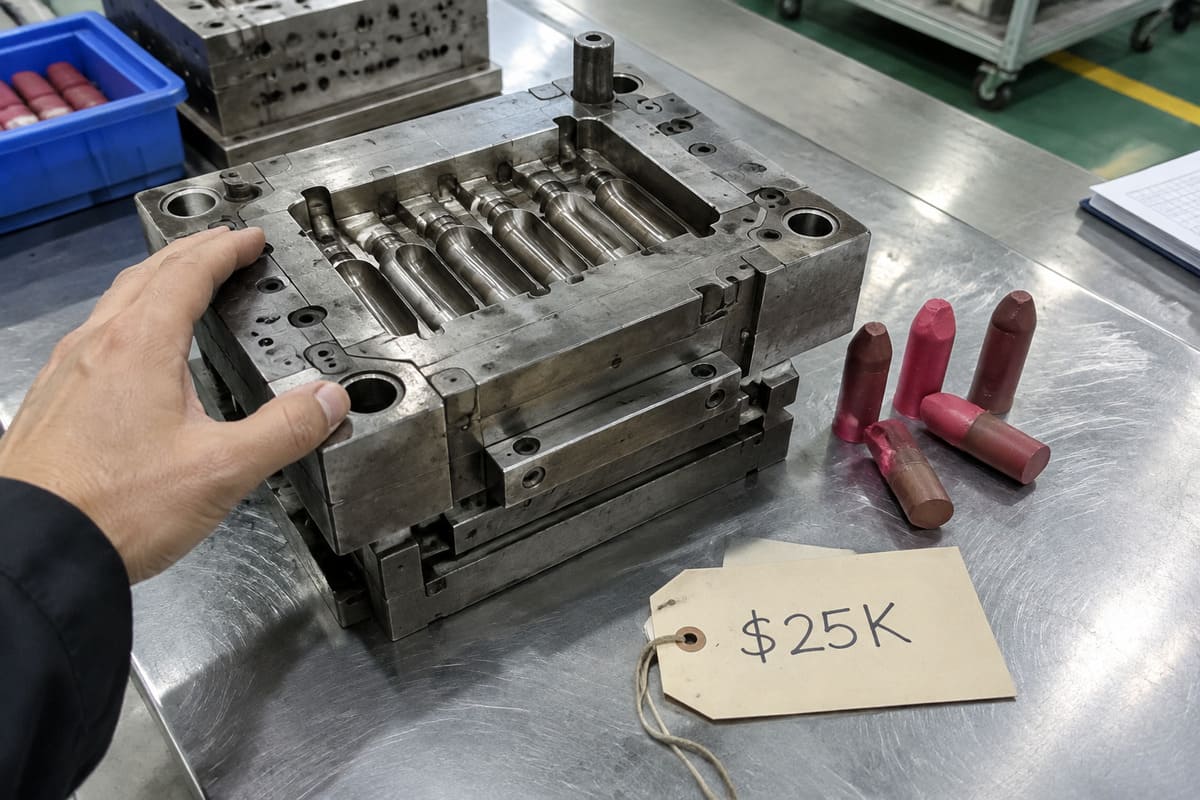
We did not take the big order. Instead, we showed him the real math. Formula development, sampling, tooling, and a 3,000-unit minimum would push his first order near $25,000, with 8–16 weeks before he could even hold a sample. Then I asked him one question:
"Are you sure the market wants this formula yet?"
He paused. That pause was the whole conversation.
We recommended a 2,000-unit eyeshadow palette trial with a curated shade selection. Private Label level, but with more thought than generic stock. It sold through. He then used that revenue to fund a 5,000-unit ODM/OEM upgrade. He earned his way to OEM instead of gambling on it. That is the sequence I want for you.
The Smart Sequence
- Validate with a curated entry run. Prove people buy.
- Customize with ODM once you have demand data.
- Own your formula with OEM once sales and capital justify it.
This order protects your cash during the riskiest phase: before anyone has bought anything.
The Hidden Costs of OEM: Molds, Sampling, and the $18K–$30K Reality
The headline MOQ is not what hurts. The hidden costs are. Founders budget for "units" and forget the fees that pile up before a single unit ships. Then the real invoice lands, and the budget is already gone.
The hidden costs of OEM in the beauty industry include formula development, sampling fees, and tooling. Shared molds run $300–$2,000, while exclusive molds run $2,500–$10,000+10. Combined with a 3,000-unit minimum, a first OEM launch commonly lands in the $18,000–$30,000 range before marketing even begins.
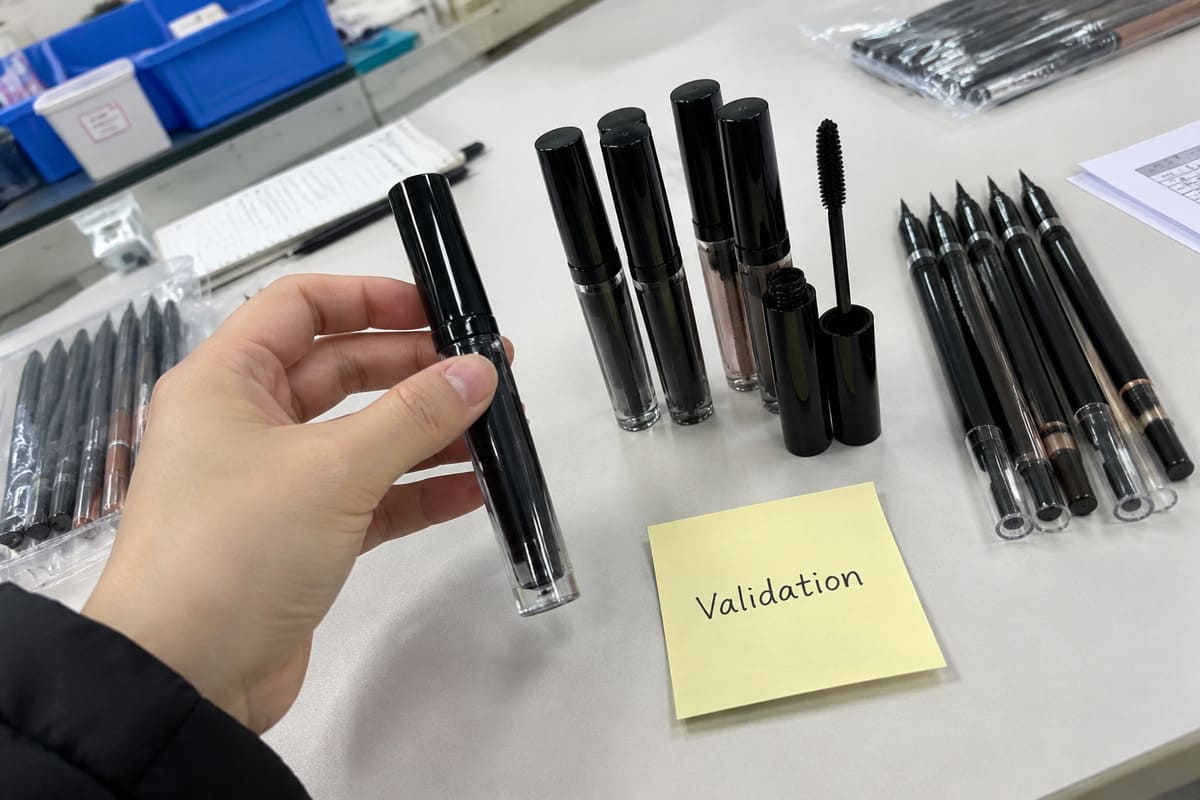
Where the Money Actually Goes
| Cost item | Typical range | Notes |
|---|---|---|
| Formula development | Varies | You fund it; you own the risk |
| Sampling fees | Per round | Multiple rounds are normal |
| Shared mold | $300–$2,000 | For standard components |
| Exclusive mold | $2,500–$10,000+ | Fully custom packaging |
| MOQ (3,000+ units) | Bulk of the budget | Scales with volume |
The Mold Trap You Need to Watch
Here is an honest warning. If a factory quotes you a $500 "custom mold fee" and then delivers a stock compact, you have been sold a shared mold at an exclusive mold price. That is not a custom mold. That is a markup.
A real exclusive mold, one that makes your packaging truly yours, starts around $2,500 and climbs. Anything cheaper labeled "exclusive" deserves a direct question: "Is this a shared or exclusive tool?" I put this in writing with every client because the mold line is where trust is won or lost.
The point is simple. OEM is not expensive because factories are greedy. It is expensive because true customization has real, unavoidable costs. Pretending otherwise is how founders get blindsided.
A Smarter Path: Validate with 2,000 Units, Then Earn Your OEM Upgrade
You do not have to choose between "cheap and generic" or "expensive and custom." There is a middle road that most founders never hear about because it does not maximize the first invoice. It maximizes your survival.
A smarter path is tiered entry: start with a 2,000-unit validation run on selected standard eyeshadow palettes, then reinvest revenue into a 5,000–10,000 unit ODM or OEM upgrade. This lets you test real market demand at lower risk before committing to full OEM in the beauty industry. You earn the upgrade instead of gambling on it.
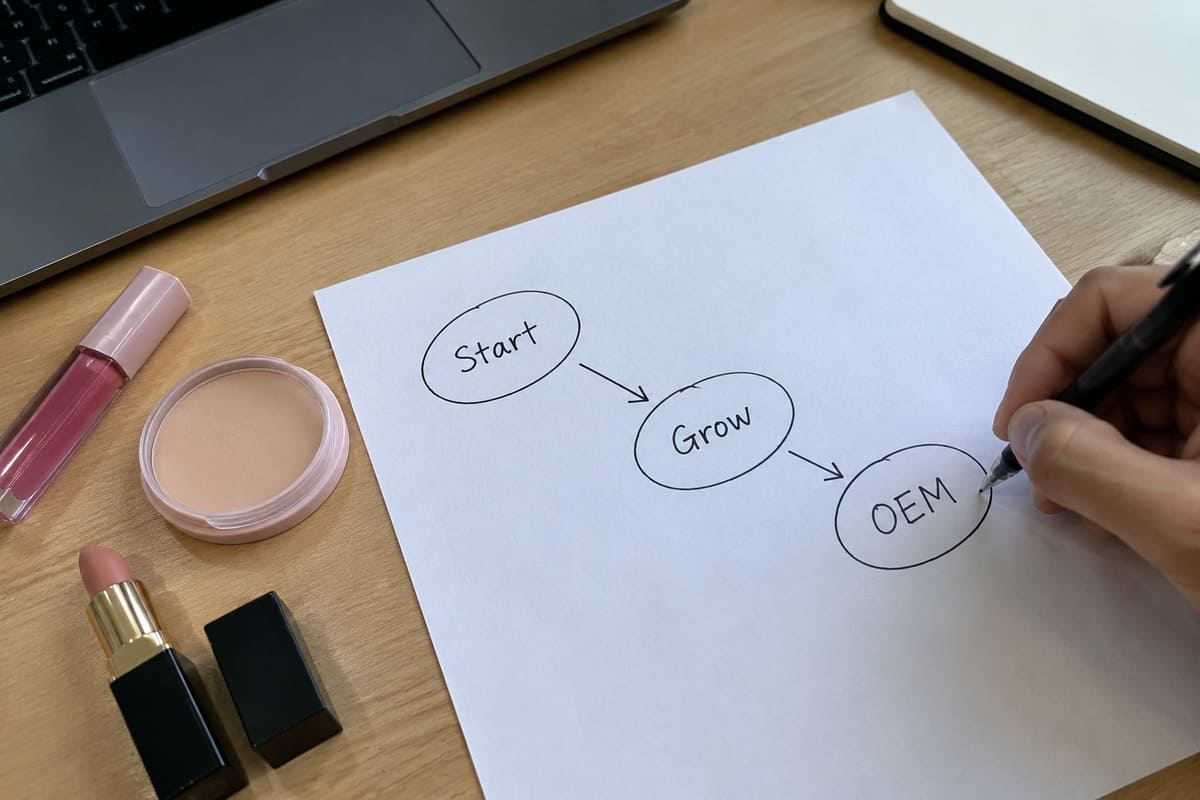
How Our Tiered Entry Works
We built our entry structure around how brands actually grow, not around how fast we can bill them:
- Validation tier: Selected standard eyeshadow palettes from 2,000 units. More curated than generic stock, low enough to test the market.
- Customization tier: Most other products enter true ODM/OEM territory at 5,000–10,000 units, where real formula and packaging customization makes financial sense.
Why This Sequence Wins
I watch this play out every week. Based on our experience serving global B2B buyers, the single biggest mistake new brands make is treating OEM as the entry-level option. It is not.
Here is the survival pattern I see:
| Approach | What happens |
|---|---|
| Start with OEM, no demand data | High chance of running out of cash before the first reorder |
| Validate first, then upgrade | Revenue funds customization; brand survives to year two |
Brands that validate first survive to customize later. Brands that start with OEM before proving demand often run out of cash before their first reorder. As a manufacturer in one of the core supply chain clusters in Guangdong, China11, I see both outcomes constantly. The difference is almost always the starting rung.
How to Choose the Manufacturing Model That Matches Your Stage?
You now know the ladder. The last question is personal: which rung is yours, right now? Guess wrong and you either overspend or under-differentiate. So let me give you a clear decision framework instead of a vague "it depends."
Choose your manufacturing model based on your sales data and capital. With no demand proof, start with Private Label or a validation run. With early demand data, move to ODM. With validated sales and capital for an $18K–$30K launch, step up to OEM. Match the model to your stage, not to your ambition.
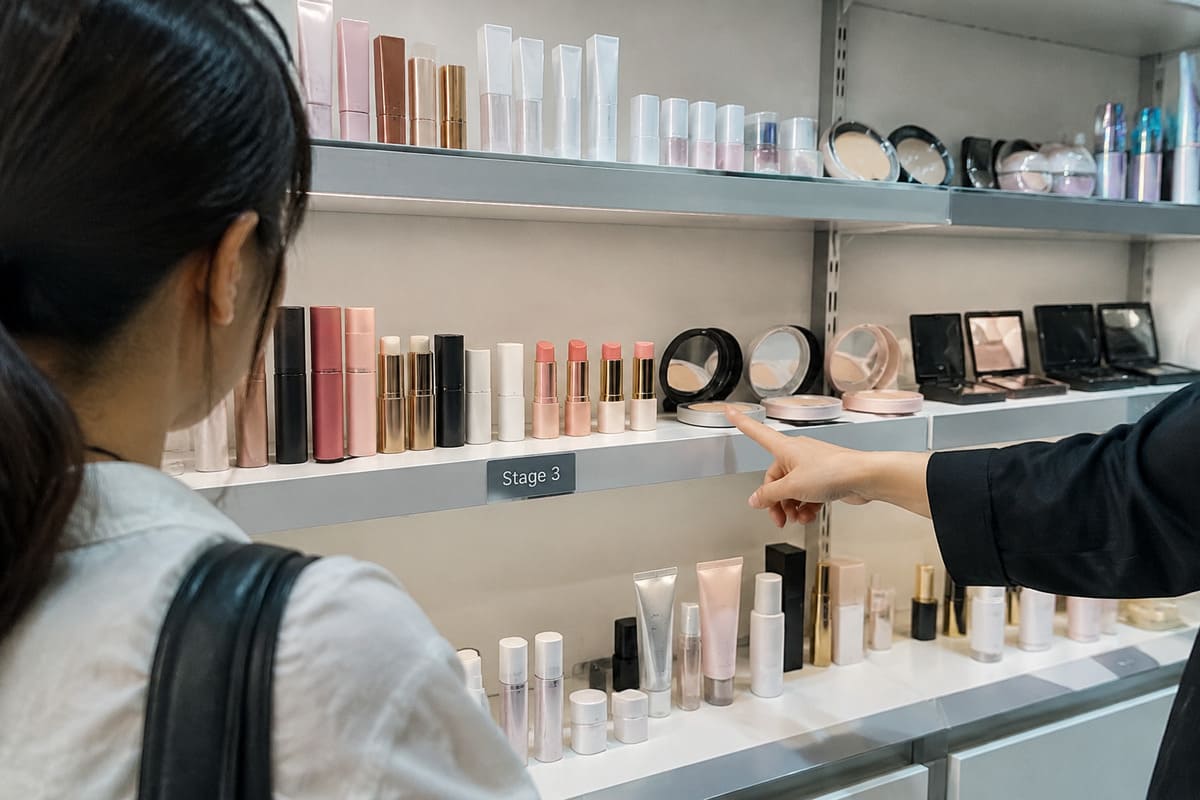
A Stage-Matching Guide
| Your situation | Recommended model | Why |
|---|---|---|
| No sales data, testing an idea | Private Label / validation run | Lowest risk, fastest proof |
| Some repeat demand, want a fingerprint | ODM | Proven base, moderate custom |
| Validated sales + capital | OEM | Full ownership, justified spend |
Questions to Ask Yourself Before You Commit
- Have real customers paid for something like this? No proof means validate first.
- Can I fund an $18K–$30K launch and still cover marketing? If not, OEM is premature.
- Do I need a fully owned formula, or will a tweaked base do for now? Most early brands are fine with ODM.
I do not push clients toward the most expensive model. I push them toward the model that gives them the highest chance of surviving their first year. If you want to jump straight to OEM, I will quote the full cost upfront, and I will tell you honestly if I think you are not ready. That is the standard I hold myself to.
Frequently Asked Questions
What is the minimum order quantity for OEM in the beauty industry?
True OEM typically starts at 3,000–10,000+ units, because the factory produces entirely to your own formula and specifications. Lower minimums usually indicate Private Label or ODM, not full OEM. Always confirm in writing whether a quoted "low MOQ" applies to custom formula work or to stock products.
How much does it cost to start an OEM beauty brand?
A first OEM launch commonly lands in the $18,000–$30,000+ range. That figure includes formula development, multiple sampling rounds12, tooling (shared molds $300–$2,000 or exclusive molds $2,500–$10,000+), and the bulk order itself. Marketing costs sit on top of this, so budget beyond the manufacturing invoice.
Is OEM better than ODM or Private Label?
Not inherently. OEM offers maximum differentiation but carries the highest cost, longest timeline, and most risk. Private Label and ODM offer faster, cheaper market validation. The best model depends on your stage. For an unproven brand, Private Label or ODM is usually the smarter, safer starting point.
How long does OEM beauty product development take?
OEM development timelines commonly run 8–16 weeks or longer. This covers formula creation, multiple sampling rounds, tooling production, and bulk manufacturing. Private Label launches far faster because the base product already exists. If speed to market matters, factor this timeline into your launch planning early.
What is the difference between a shared mold and an exclusive mold?
A shared mold produces a standard component used by many brands, costing roughly $300–$2,000. An exclusive mold produces packaging unique to you, costing $2,500–$10,000+. If a factory charges a small "custom mold fee" but delivers stock packaging, you have paid an exclusive price for a shared tool.
Conclusion
So, what is OEM in the beauty industry? It is full custom manufacturing where you own the formula, backed by 3,000–10,000+ unit minimums and $18,000–$30,000 first-launch budgets. It is powerful, but it is a graduation point, not a starting line. The smartest brands validate demand first with a curated 2,000-unit run, move to ODM as data arrives, then earn their OEM upgrade with real revenue. Match the model to your stage, and you survive to customize another day. If you want an honest, written breakdown of MOQ, molds, and timelines for your exact product, send me your concept and I will map your ladder, one realistic rung at a time.
"Original equipment manufacturer", https://en.wikipedia.org/wiki/Original_equipment_manufacturer. General reference material defines OEM (Original Equipment Manufacturer) as production carried out to a purchasing party's specifications, which supports the article's framing of OEM as custom, specification-driven manufacturing. Evidence role: definition; source type: encyclopedia. Supports: The general definition of OEM as a manufacturing arrangement based on a buyer's specifications.. Scope note: General OEM definitions are cross-industry and do not specifically address cosmetics formula ownership as described in the article. ↩
"How to Find the Best OEM Makeup Kit Manufacturers with Low ...", https://vertinabeauty.com/2025/03/07/how-to-find-the-best-oem-makeup-kit-manufacturers-with-low-moq/. Industry analyses of contract cosmetics manufacturing report that custom-formula runs carry substantially higher minimum order quantities than stock products, consistent with the article's stated range. Evidence role: statistic; source type: research. Supports: Typical minimum order quantity ranges for custom cosmetics manufacturing.. Scope note: Reported MOQ figures vary widely by product category and manufacturer, so published ranges may not match the article's exact 3,000–10,000 unit figures. ↩
"How Can I Create My Own Makeup Brand? (A Startup Founder's ...", https://vertinabeauty.com/how-can-i-create-my-own-makeup-brand-a-startup-founders-guide-to-first-launch/. Market research on cosmetics brand startup costs indicates that custom-formula launches require significant upfront capital covering development, tooling, and bulk orders, broadly aligning with the article's estimate. Evidence role: statistic; source type: research. Supports: Typical upfront capital requirements for launching a custom-manufactured beauty product line.. Scope note: Publicly available cost estimates are generalized and may not directly confirm the specific $18,000–$30,000 figure, which reflects the author's own client cases. ↩
"Future developments in cosmetic formulations", https://pubmed.ncbi.nlm.nih.gov/19272094/. Literature on cosmetic product development describes multi-stage processes of formulation, stability testing, and sampling that span several weeks to months, consistent with the article's 8–16 week range. Evidence role: statistic; source type: research. Supports: Typical duration of cosmetic formula development and sampling before mass production.. Scope note: Published development timelines are approximate and depend on formulation type and testing requirements, so they do not confirm the exact range cited. ↩
"Reasons Why Small Businesses Fail and How to Avoid Them", https://www.uschamber.com/co/start/strategy/why-small-businesses-fail. Government and research data on business survival rates show that a substantial proportion of new ventures fail within the first years, frequently due to insufficient capital or cash flow, lending contextual support to the article's claim about undercapitalized beauty startups. Evidence role: statistic; source type: government. Supports: That a significant share of new businesses fail, with cash shortfalls among the leading causes.. Scope note: General business-failure statistics are not specific to beauty brands or to OEM cost misjudgment, so they provide only indirect support. ↩
"Intellectual Property Rights Sample Clauses", https://www.utsystem.edu/offices/general-counsel/intellectual-property/intellectual-property-checklists/intellectual-property-rights-sample-clauses. Guidance on contract manufacturing intellectual property notes that ownership of custom formulas and designs is governed by the manufacturing agreement, supporting the article's point that OEM can vest formula ownership in the brand. Evidence role: mechanism; source type: institution. Supports: That in full OEM arrangements formula or design intellectual property is typically owned by the commissioning brand, subject to contract.. Scope note: Ownership outcomes depend on specific contract terms, so general IP guidance does not guarantee ownership in every OEM case. ↩
"Private label", https://en.wikipedia.org/wiki/Private_label. Reference sources define private label goods as products manufactured by one company for sale under another company's brand, supporting the article's characterization of private label as branded stock product. Evidence role: definition; source type: encyclopedia. Supports: The standard definition of private label as rebranding of an existing manufacturer's product.. Scope note: General private-label definitions are cross-industry and do not address the beauty-specific MOQ ranges stated in the article. ↩
"Original design manufacturer - Wikipedia", https://en.wikipedia.org/wiki/Original_design_manufacturer. Reference material defines ODM as an arrangement where the manufacturer designs and originates the product while the buyer brands or adapts it, supporting the article's placement of ODM between private label and full OEM. Evidence role: definition; source type: encyclopedia. Supports: The definition of ODM and how it differs from OEM in terms of design and formula origination.. Scope note: Standard ODM definitions are general and do not specify the cosmetics MOQ figures the article attaches to the model. ↩
"How Can I Create My Own Makeup Brand? (A Startup Founder's ...", https://vertinabeauty.com/how-can-i-create-my-own-makeup-brand-a-startup-founders-guide-to-first-launch/. Entrepreneurship and product-development literature advocating validated learning supports the article's argument that testing market demand before committing to large production runs reduces launch risk. Evidence role: expert_consensus; source type: paper. Supports: That validating demand before scaling production lowers the risk of new product failure.. Scope note: The supporting literature addresses product development broadly rather than beauty OEM specifically, so it offers conceptual rather than sector-specific support. ↩
"Injection Molding approximate costs : r/manufacturing", https://www.reddit.com/r/manufacturing/comments/16iwlt3/injection_molding_approximate_costs/. Manufacturing engineering sources on injection mold tooling indicate that dedicated custom molds cost substantially more than shared or modified tooling, consistent with the cost gap the article describes. Evidence role: statistic; source type: research. Supports: Cost differences between shared and dedicated (exclusive) injection molds for packaging components.. Scope note: General tooling cost references are not cosmetics-specific and do not confirm the precise dollar ranges stated for shared and exclusive molds. ↩
"How to Find a Cosmetics Manufacturer: A Buyer's Guide to Verifying ...", https://vertinabeauty.com/how-to-find-a-cosmetics-manufacturer-a-buyers-guide-to-verifying-real-factories/. Industry and trade reporting identify Guangdong province, particularly the Guangzhou area, as a leading concentration of cosmetics manufacturing in China, supporting the author's description of the region as a core supply chain cluster. Evidence role: general_support; source type: institution. Supports: Guangdong's position as a concentrated center of cosmetics and personal care manufacturing in China.. Scope note: Supporting sources establish the region's manufacturing significance but do not verify the author's individual position within it. ↩
"An integrative approach to product development—A skin-care ...", https://pmc.ncbi.nlm.nih.gov/articles/PMC7112257/. Cosmetic science references describe formulation as an iterative process requiring repeated sampling, stability assessment, and adjustment, supporting the article's reference to multiple sampling rounds. Evidence role: mechanism; source type: research. Supports: That cosmetic formulation typically involves iterative sampling, testing, and reformulation cycles.. Scope note: The number of sampling rounds varies by product and manufacturer, so sources confirm the iterative process but not a specific count. ↩