I have watched too many retailers get burned by wholesale branded cosmetics suppliers who promise luxury logos and deliver near-expiry junk. You order a pallet of "big brand" eyeshadow, and three weeks later your cash is locked in boxes you can't legally sell. The problem is real. The solution is simpler than you think: stop chasing mixed lots and buy authentic, ready-to-sell stock from the actual source.
Authentic wholesale branded cosmetics suppliers sell their own fixed-SKU, pre-printed, ready-stock products with guaranteed replenishment. Liquidation sellers move random multi-brand closeout pallets that are often near-expiry, damaged, or counterfeit. The core difference is ownership: a real brand owner controls the production line, so they can reorder the exact same product. A liquidator sells whatever they happened to buy.
So how do you tell the two apart before you wire your money? The signals are there if you know where to look. Below, I break down the exact traps, the three questions that expose a trader in seconds, and why a single stable brand beats a shelf full of mismatched logos.
Why Is the "Mixed-Brand Wholesale" Market So Risky?
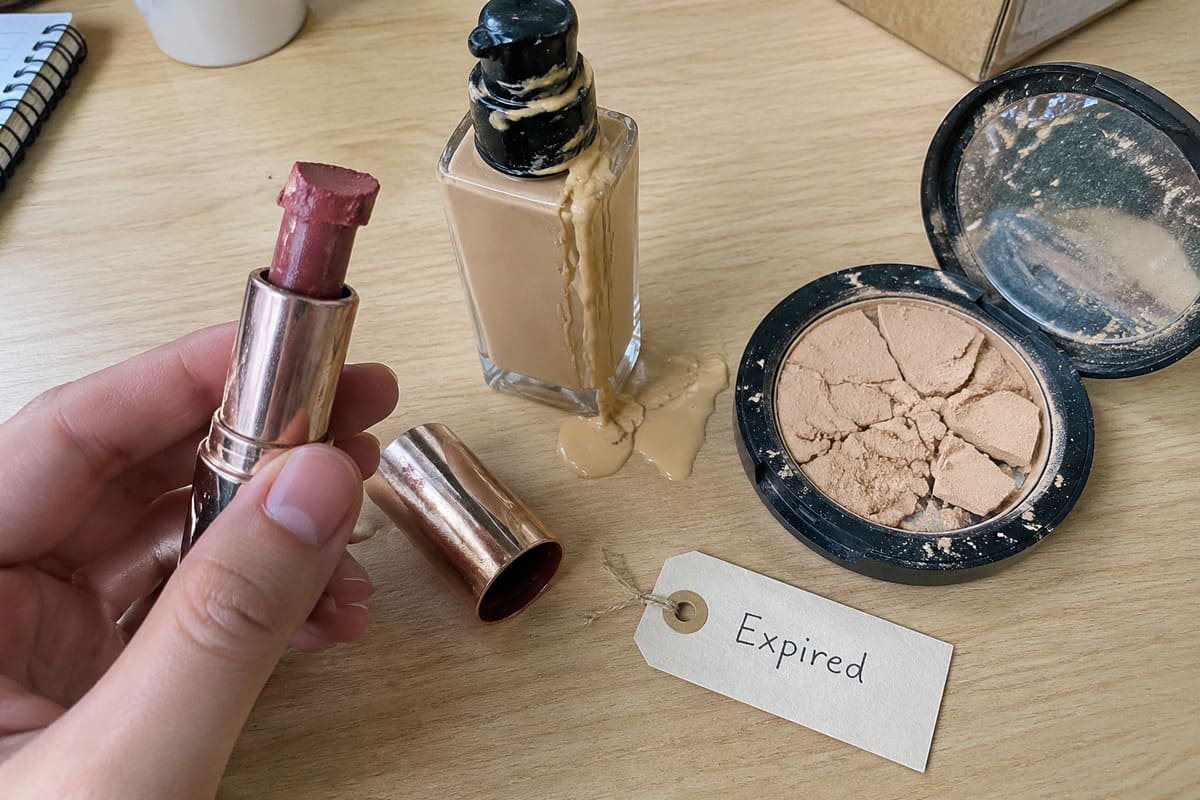
You search for branded cosmetics and the results flood in: Fenty closeouts, NARS pallets, "assorted luxury lots." It looks like a goldmine. Then the box arrives and half the products expire next quarter. Your cash is gone and your shelf is full of poison.
The mixed-brand wholesale market is risky because liquidation lots carry no consistency guarantee. These products are surplus, near-expiry, or returned stock bought cheaply and resold.1 You cannot verify authenticity, you cannot reorder the same items, and you cannot build a stable shelf around inventory that disappears after one batch.
I call this problem "inventory poison." You buy it once, it sits on your shelf, and it damages your store in three ways at once.
What makes a liquidation lot "inventory poison"?
- Near-expiry dates: Cosmetics have a Period After Opening (PAO) and a shelf life.2 Liquidation stock is often within months of expiry, which means you can't sell it fast enough.3
- No replenishment: You sell a hot item, a customer comes back, and you can never get it again. One-time stock kills repeat business.
- Counterfeit risk: Luxury logos attract fakes.4 A counterfeit Fenty pallet is a legal liability, not a bargain.5
- Damaged packaging: Closeout handling is rough. Dented palettes and cracked compacts don't sell at retail.
Here is how the two models compare on the factors that actually decide whether you make money:
| Factor | Mixed-Brand Liquidation | Authentic Single-Brand Stock |
|---|---|---|
| Expiry dates | Often near-expiry | Fresh production runs |
| Replenishment | None—one batch only | Guaranteed from the line |
| Authenticity | Hard to verify | Traceable to the owner |
| Packaging | Inconsistent, often damaged | Fixed, retail-ready |
| Cash flow risk | High—dead stock likely | Low—predictable turnover |
The lesson I give every retailer is blunt: a cheap pallet that you can't reorder is not a deal. It's a trap that locks up your working capital.
How Do You Spot a Real Branded Supplier vs. a Relabeler?
A buyer once told me he found a "branded cosmetics manufacturer" who offered 50 different luxury-style lines. That sounded like opportunity. It was actually a relabeler—a trader who slaps logos on generic goods and calls each one a brand.
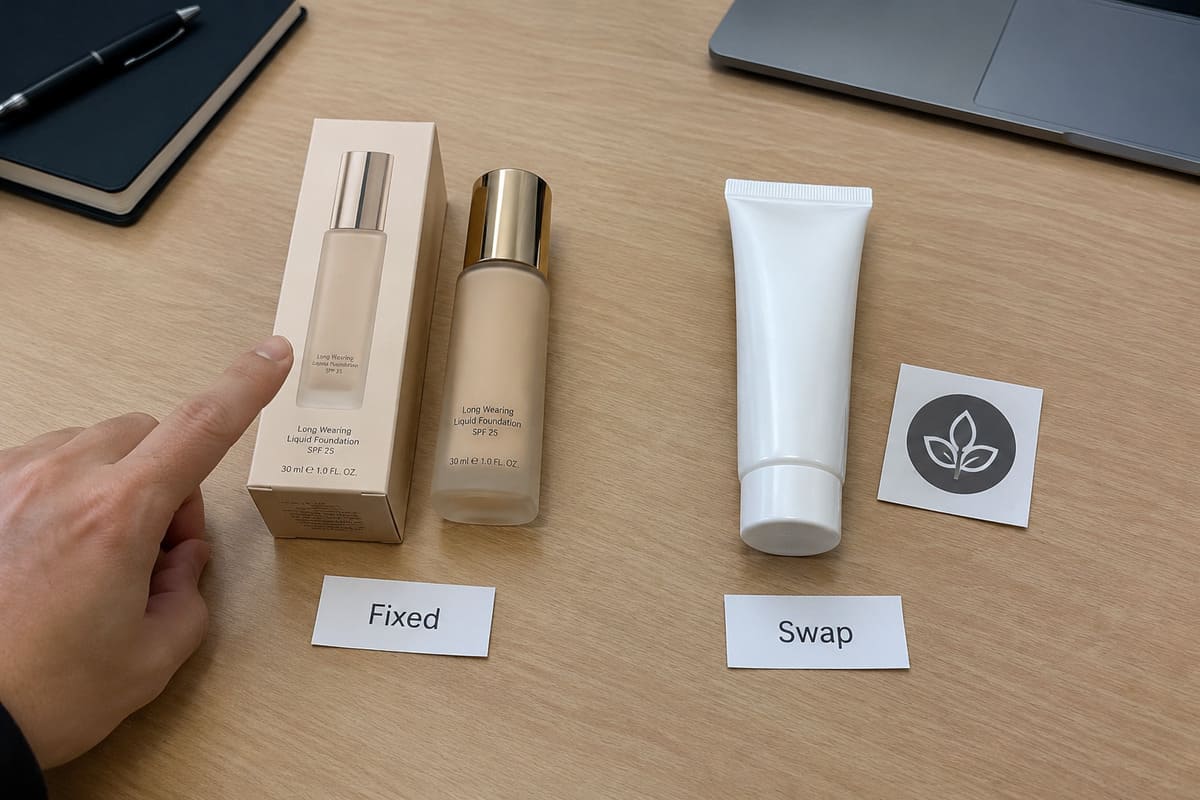
You spot a real branded supplier by testing ownership and consistency. A genuine brand owner has their own production line, a fixed SKU system, pre-printed packaging, and guaranteed replenishment. A relabeler offers to swap logos on demand, uses generic packaging, and cannot guarantee the same product next month because they do not control the formula.
Let me paint the scene I see constantly. I sat in on a call where a buyer asked a supplier about their "branded cosmetics."
The relabeler said: "We have many brands. You can pick this series, we can swap the logo immediately, the packaging is generic, how many units do you need?"
That answer tells you everything. "We can swap the logo immediately" means there is no brand. There is a generic product with a changeable sticker.
Now here is how I respond when a buyer asks me the same thing:
The brand owner says: "This is our own brand. Every product has a fixed logo, a fixed packaging design, and a fixed SKU system. You are not getting a swappable generic product—you are getting a real brand with existing market recognition. We only do replenishment. We do not swap logos."
The First-Response Trap
The first answer a supplier gives reveals their business model. A relabeler leads with flexibility: "pick any logo, any series, we adapt." A brand owner leads with fixity: "this is our brand, this is our SKU, this is what you reorder." Flexibility sounds friendly, but in branded wholesale it is a warning sign. A brand you can rename at any time is not a brand asset. It is a shell.
| Signal | Relabeler / Trader | Real Brand Owner |
|---|---|---|
| First response | "We can swap logos" | "This is our fixed brand" |
| Packaging | Generic, logo added later | Pre-printed, retail-ready |
| SKU system | Loose or absent | Fixed and documented |
| Production | Sources from jobbers | Owns the line |
| Reorder promise | "Let me check stock" | "Guaranteed—we produce it" |
What Three Questions Expose a "Mystery Box" Wholesaler?
Most buyers feel the authenticity problem but can't test for it. "Authentic" is an abstract word. So I turned it into three hard questions that any supplier must answer on the spot. I call them the lie-detector questions.
Three questions expose a mystery-box wholesaler: the Origin Test, the Packaging Test, and the Replenishment Test. A relabeler stumbles on all three—dodging ownership, offering to swap logos, and checking stock before promising a reorder. A real brand owner answers all three instantly because they control the brand, the packaging, and the production line.
The Three Lie-Detector Questions
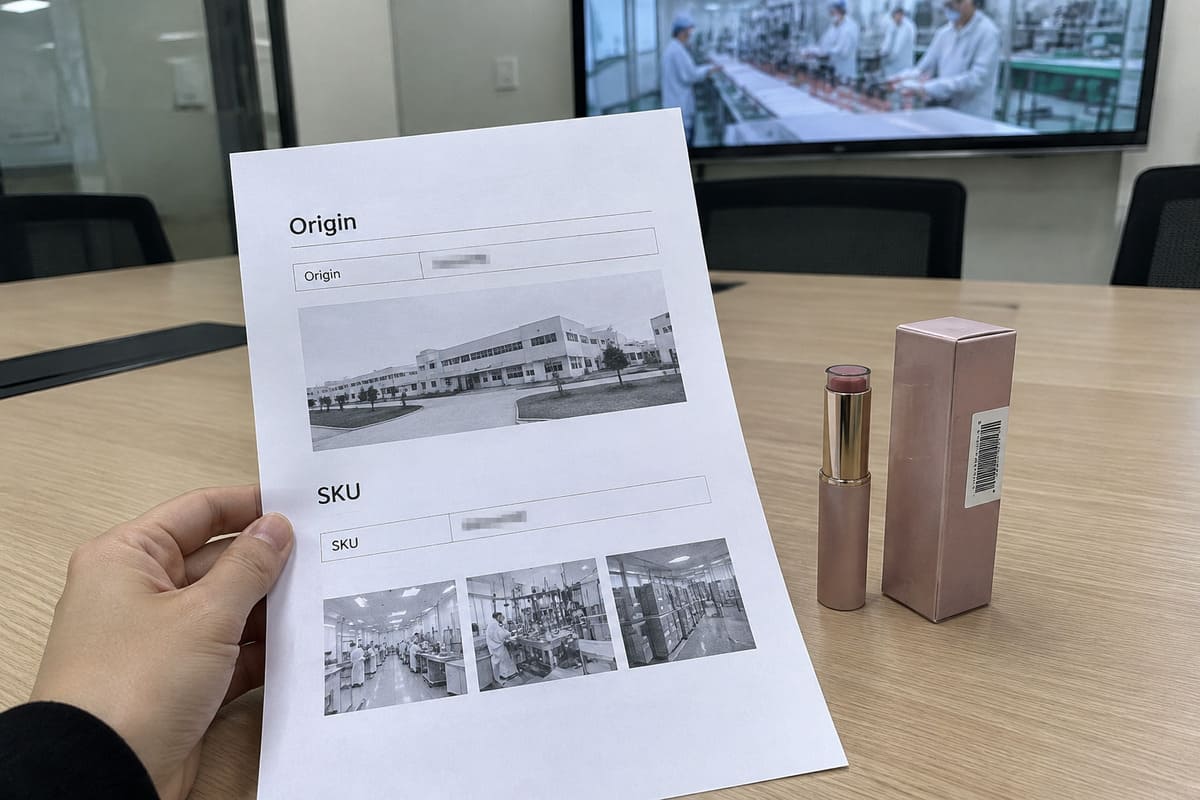
Origin Test — "Is this brand your own, or are you reselling it from someone else?" A relabeler stumbles and says "it's a partner brand" or "we work with many suppliers." A real brand owner shows you their registration and their production line without hesitation.
Packaging Test — "Is your packaging pre-printed finished inventory, or can I swap the logo on generic packaging?" A relabeler happily says "yes, we can swap the logo." A real brand owner says "our packaging is fixed—no logo swapping. This is a finished retail product."
Replenishment Test — "If I reorder next month, can you guarantee the exact same SKU, formula, and packaging?" A trader checks their current stock before answering. A real brand owner guarantees it outright, because they own the line that makes it.
Here is the decoder table I hand to serious buyers:
| Question | Trader's Tell | Brand Owner's Answer |
|---|---|---|
| Is this your own brand? | "It's a partner brand" | "Yes—here's our registration" |
| Can you swap the logo? | "Sure, no problem" | "No—packaging is fixed" |
| Can you guarantee the same SKU? | "Let me check stock" | "Guaranteed—we produce it" |
If a supplier fails even one of these, you are not looking at a brand. You are looking at a middleman with a sticker machine.
Why Single-Brand Ready Stock Beats Mixed Lots for Your Shelf?
A retailer asked me once why he should take 100 units of one brand instead of a "variety pallet" of ten brands. The variety looked more exciting. But exciting inventory and profitable inventory are not the same thing.
Single-brand ready stock beats mixed lots because it gives you consistency, replenishment, and brand recognition. A fixed-SKU brand lets customers return and rebuy, builds shelf identity, and protects your reputation. Mixed lots scatter your shelf with items you can never restock, so every sale is a dead end instead of a repeat customer.
The Illusion of "Fake Branded Stock"
Here is the structural truth about why the search results are flooded with mixed lots and fake labels: true single-brand ready stock is genuinely rare. Most traders buy generic formulas, slap on a temporary label, and call it "their brand." The buyer isn't getting a brand asset—they're getting a shell that can be renamed at any time.
A real branded-stock supplier must have:
- A fixed SKU system so you reorder the exact item
- Stable replenishment from an owned production line
- Genuine brand recognition in the target market
- Pre-printed, consistent packaging—not a logo on a box
Consider the math over a year. A one-time mixed pallet might cost less per unit, but when the bestseller sells out and you can't restock, that shelf space goes empty.
| Metric | Mixed Lots | Single-Brand Ready Stock |
|---|---|---|
| Restock the bestseller | Impossible | Guaranteed |
| Customer repeat rate | Low—items vanish | High—same SKU returns |
| Shelf identity | Scattered | Consistent brand block |
| Reputation risk | High | Low |
| Long-term margin | Unpredictable | Stable and compounding |
A consistent brand compounds. Customers learn your shelf, trust the product, and come back.6 That is how a retail business grows—not through a lucky pallet, but through a supply chain you can count on.
What We Offer—and Why We Refuse to Deal in Mystery Lots
I built Vertina Beauty around one principle: a shelf is only as strong as its supply chain. So let me state our boundaries plainly, because clarity saves everyone time.
We are a brand owner and ready-stock supplier. We do not sell liquidation closeouts, near-expiry mixed boxes, or swappable generic products. If you want to gamble on closeout pallets or swap your own logo onto a generic product, we are not the right fit. But if you want a real, fixed-logo brand with guaranteed replenishment, our production line is your source.
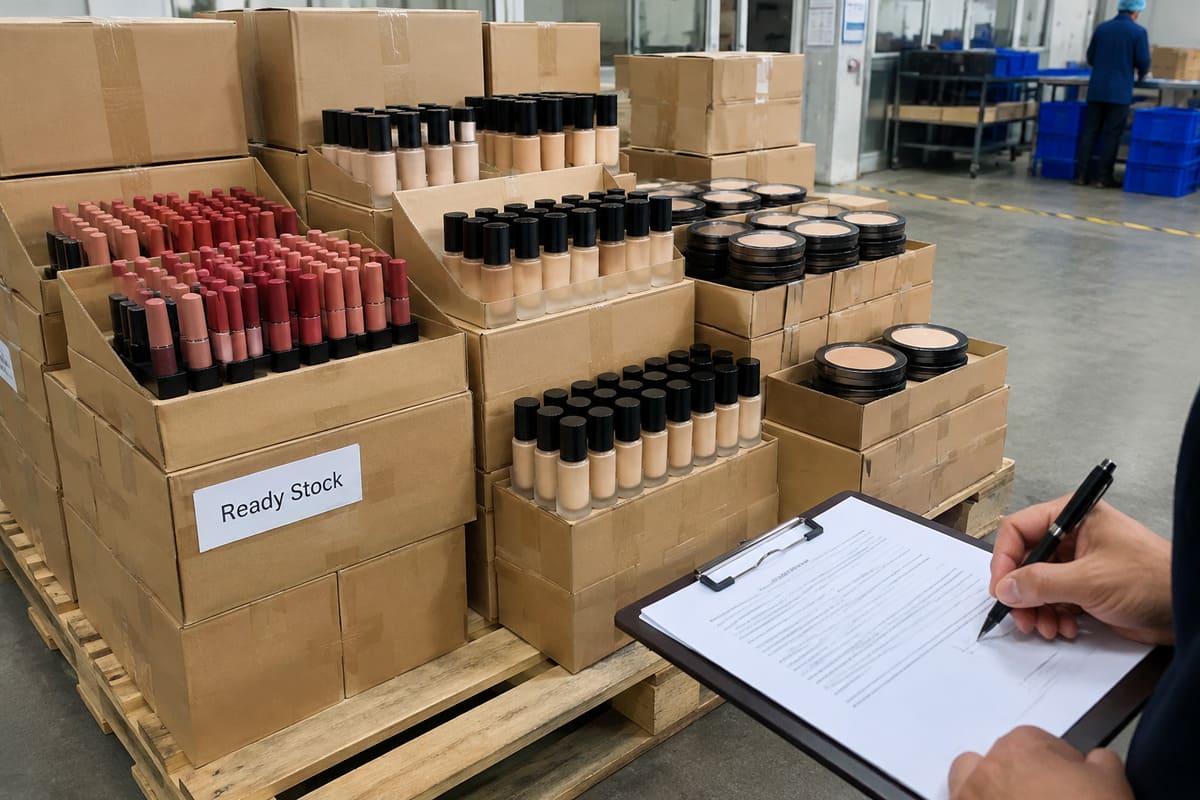
As one of the few genuine wholesale branded cosmetics suppliers that owns its own production, we offer our own branded, ready-stock cosmetics—fully packaged, logo-bearing, and ready for your shelf. Our strength sits in "play-with-color" face and eye makeup: chameleon eyeshadow, sparkle eyeshadow, pressed powders, blush, and highlighters. These ship from existing stock, so you skip the 60-day production wait that custom orders require7.
What you get with us
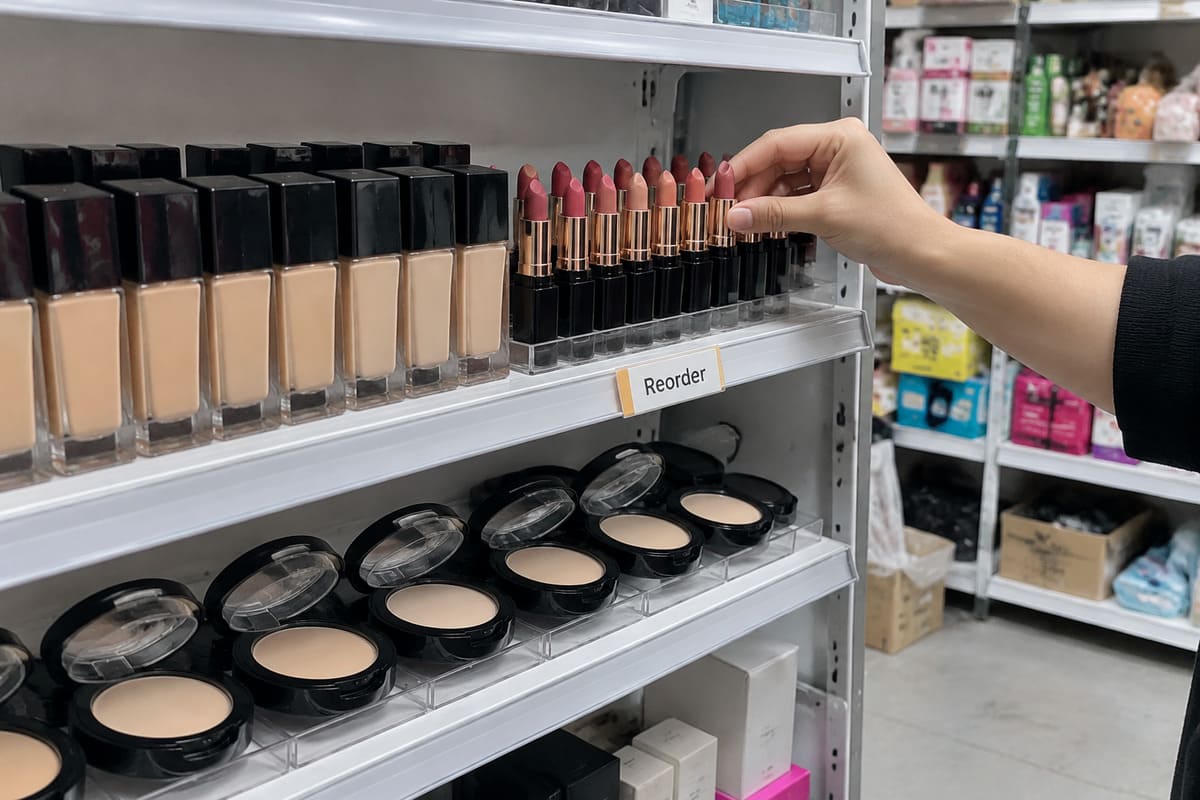
- Fixed SKUs you can reorder next month, next quarter, next year
- Pre-printed retail packaging—no logo swapping, ever
- Ready stock for fast replenishment when a product sells through
- A stable single brand that builds recognition on your shelf
What we refuse to do
- No mystery lots or closeout pallets
- No near-expiry mixed boxes
- No relabeling generic goods as a "brand"
One honest note on compliance: certifications are documents you should always verify against your own target market. I recommend confirming the exact regulatory requirements—FDA and MoCRA for the US8, CPNP for the EU9—with a qualified professional before you import, since rules vary by country and product category.
Frequently Asked Questions
What are wholesale branded cosmetics suppliers?
Wholesale branded cosmetics suppliers sell finished, logo-bearing makeup in bulk to retailers and resellers. Authentic suppliers own the brand and production line, offering fixed SKUs and guaranteed replenishment. This differs from liquidation sellers, who move one-time surplus or closeout stock they cannot reproduce.
How do I avoid buying counterfeit or near-expiry stock?
Ask for the brand registration, confirm the production date and Period After Opening10, and verify that the supplier owns the brand rather than reselling it. A supplier who offers to swap logos or can't guarantee a reorder is likely moving liquidation or relabeled stock, not authentic inventory.
Is single-brand stock better than a mixed-brand pallet?
For building a retail shelf, yes. Single-brand ready stock lets you restock bestsellers, build customer recognition, and protect your reputation. Mixed-brand pallets scatter your shelf with items you can never reorder, turning every sellout into a dead end instead of a repeat sale.
What certifications do I need to import cosmetics?
It depends on your market. The US requires FDA and MoCRA compliance, the EU requires CPNP notification11, and other regions have their own rules. Treat any certification claim as a document to verify, and consult a qualified compliance professional for your specific product and destination.
Can I reorder the exact same product later?
Only from a supplier who owns the production line. A real brand owner guarantees the same SKU, formula, and packaging on every reorder. A trader can only sell what they currently hold, so once their stock runs out, the exact product is gone for good.
Conclusion
Choosing between wholesale branded cosmetics suppliers comes down to one question: do you want a gamble or a supply chain? Liquidation pallets and relabeled generics may look cheap, but near-expiry dates, counterfeit risk, and zero replenishment turn them into inventory poison12. Authentic single-brand ready stock gives you fixed SKUs, consistent packaging, and reorders you can count on—the foundation of a shelf that builds trust and repeat business. Use the three lie-detector questions on any supplier before you buy. If you want a real, fixed-logo brand with guaranteed replenishment, reach out to see our ready-stock catalog and request samples.
"How reverse supply chains create value — and reduce waste", https://news.wpcarey.asu.edu/20260414-turning-returns-revenue-how-reverse-supply-chains-create-value-and-reduce-waste. Reference sources define liquidation inventory as surplus, overstock, or returned goods disposed of in bulk below retail value, frequently via secondary-market resellers. Evidence role: definition; source type: encyclopedia. Supports: That liquidation inventory refers to surplus, overstock, or returned merchandise sold in bulk at reduced prices, often through reverse-logistics channels.. Scope note: The definition describes liquidation broadly and does not characterize the condition of any specific cosmetics lot. ↩
"Shelf Life and Expiration Dating of Cosmetics", https://www.fda.gov/cosmetics/cosmetics-labeling/shelf-life-and-expiration-dating-cosmetics. Regulatory guidance defines the Period After Opening as the recommended duration during which an opened cosmetic can be used without harm to the consumer, typically shown by an open-jar symbol with a stated number of months. Evidence role: definition; source type: government. Supports: That PAO is a recognized labeling concept indicating how long a cosmetic remains safe after opening.. Scope note: Specific PAO rules and symbols vary by jurisdiction, so the cited source may describe one regulatory regime rather than a universal standard. ↩
"Secondhand fashion consumers exhibit fast fashion behaviors ...", https://pmc.ncbi.nlm.nih.gov/articles/PMC12504660/. Studies of secondary and liquidation markets describe these channels as outlets for surplus, returned, and short-shelf-life inventory moved below primary retail value. Evidence role: general_support; source type: research. Supports: That liquidation and secondary-market inventory commonly includes surplus, returned, or short-dated goods cleared through closeout channels.. Scope note: General research on liquidation channels does not quantify how often cosmetics specifically are near-expiry and the proportion may vary by seller. ↩
"Mapping Global Trade in Fakes 2025", https://www.oecd.org/content/dam/oecd/en/publications/reports/2025/05/mapping-global-trade-in-fakes-2025_5c812e3c/94d3b29f-en.pdf/_jcr_content/renditions/original./94d3b29f-en.pdf?utm_source=chatgpt.com. International trade bodies report that perfumery and cosmetics rank among frequently counterfeited product categories, based on customs seizure data. Evidence role: statistic; source type: institution. Supports: That cosmetics and perfumery are among product categories with significant documented volumes of counterfeiting in international trade.. Scope note: Seizure data reflect detected counterfeits and may understate or otherwise not directly measure the prevalence of fakes for any single brand. ↩
"Online Marketplaces' Responsibility for Harm from ...", https://scholarship.law.unc.edu/cgi/viewcontent.cgi?article=1415&context=ncjolt. Trademark and anti-counterfeiting authorities document that the sale of goods bearing unauthorized brand marks may result in infringement liability, seizure, and financial penalties for resellers. Evidence role: general_support; source type: government. Supports: That distributing or reselling counterfeit branded products can constitute trademark infringement and expose sellers to civil or criminal penalties.. Scope note: Enforcement thresholds and penalties differ by country, so the source supports the general principle rather than liability for any specific product. ↩
"What Is Brand Trust and Why It's Your Most Valuable Asset", https://imcprofessional.medill.northwestern.edu/blog/what-is-brand-trust. Marketing research finds that brand recognition and consistent brand experience correlate with higher consumer trust and repeat purchase intention. Evidence role: expert_consensus; source type: paper. Supports: That brand familiarity and consistency are associated with increased consumer trust and repeat purchase behavior.. Scope note: Associations reported in the literature are context dependent and do not establish that single-brand stocking alone causes repeat sales in a given retail setting. ↩
"How to Find a Cosmetics Manufacturer: A Buyer's Guide to Verifying ...", https://vertinabeauty.com/how-to-find-a-cosmetics-manufacturer-a-buyers-guide-to-verifying-real-factories/. Industry descriptions of cosmetics contract manufacturing indicate that custom production generally entails lead times measured in weeks between order and delivery. Evidence role: general_support; source type: other. Supports: That custom or private-label cosmetics manufacturing typically involves a multi-week production and fulfillment lead time.. Scope note: Reported lead times vary widely by formulation, order volume, and manufacturer, so a precise 60-day figure is illustrative rather than an industry constant. ↩
"Modernization of Cosmetics Regulation Act of 2022 (MoCRA)", https://www.fda.gov/cosmetics/cosmetics-laws-regulations/modernization-cosmetics-regulation-act-2022-mocra. FDA materials describe MoCRA as legislation that introduced new requirements for cosmetic facility registration, product listing, and safety substantiation under federal oversight. Evidence role: historical_context; source type: government. Supports: That the Modernization of Cosmetics Regulation Act expanded FDA authority over cosmetics, including facility registration and product listing obligations.. Scope note: The source outlines statutory requirements generally and does not address the specific product categories referenced in the article. ↩
"What Ingredients Should I Avoid in Eye Shadow? A ... - Vertina Beauty", https://vertinabeauty.com/what-ingredients-should-i-avoid-in-eye-shadow-a-compliance-guide-for-buyers/. EU regulatory documentation identifies the Cosmetic Products Notification Portal as the system used by responsible persons to notify cosmetic products prior to market placement under Regulation (EC) No 1223/2009. Evidence role: definition; source type: government. Supports: That the Cosmetic Products Notification Portal is the mechanism through which cosmetics must be notified before being placed on the EU market.. Scope note: The source describes the notification mechanism and does not verify compliance for any particular supplier or product. ↩
"Summary of Cosmetics Labeling Requirements", https://www.fda.gov/cosmetics/cosmetics-labeling-regulations/summary-cosmetics-labeling-requirements. Regulatory guidance explains that batch or production identifiers and the Period After Opening marking are intended to convey a product's usable lifespan to consumers and distributors. Evidence role: mechanism; source type: government. Supports: That production dating and the Period After Opening indicator are used to communicate the usable life and safety window of a cosmetic product.. Scope note: The source explains the function of these indicators but does not validate any individual supplier's dating accuracy. ↩
"Importing Cosmetics", https://www.fda.gov/industry/importing-fda-regulated-products/importing-cosmetics. Official regulatory guidance confirms that cosmetics must meet market-specific obligations, including FDA requirements in the United States and notification under EU cosmetics regulation. Evidence role: general_support; source type: government. Supports: That cosmetics entering the US and EU markets are subject to jurisdiction-specific regulatory frameworks administered by FDA and under EU cosmetics regulation respectively.. Scope note: The source establishes the existence of these frameworks but not the full set of requirements applicable to any specific importer or product category. ↩
"Prohibited & Restricted Ingredients in Cosmetics", https://www.fda.gov/cosmetics/cosmetics-laws-regulations/prohibited-restricted-ingredients-cosmetics. Consumer-safety authorities report that counterfeit cosmetics may contain contaminants or unapproved ingredients that pose health risks, underscoring the hazards of unverified branded stock. Evidence role: mechanism; source type: government. Supports: That counterfeit cosmetics have been found to contain unapproved or harmful substances and can present consumer safety risks.. Scope note: Reported cases document specific seizures or tests and do not quantify the overall rate of contamination across counterfeit cosmetics. ↩