When a brand asks, “Why is Flower Knows so popular?”, I hear a deeper question: can a small beauty company reproduce that growth model? Many brands have attractive packaging, but few turn packaging into content, community identity, and repeat demand. Flower Knows shows how product design, influencer marketing, and supply chain decisions can work together.
Flower Knows is popular because it combines distinctive visual storytelling, collectible product design, community-focused marketing, and consistent product launches. Its packaging creates social media content1, while its product range, influencer activity, retail expansion, and supply chain support repeat purchases. However, small brands should copy the strategy selectively rather than copy its spending, SKU volume, or custom manufacturing scale.
I see Flower Knows as more than a viral makeup company. I see it as a full-stack brand engine that connects creative direction with manufacturing, launch planning, influencer distribution, and retail availability. That distinction matters for new brands because an attractive look is easy to imitate, while the operating system behind that look requires careful investment.
Is Flower Knows Popular Because of Packaging, or Something Else?
Many new brands notice the ornate boxes, pastel colors, sculpted compacts, and collectible themes first. I understand why. Packaging is visible, easy to share, and often becomes the first reason a customer stops scrolling. However, packaging alone does not explain why Flower Knows has built such strong recognition.
Flower Knows is popular partly because of packaging, but its stronger advantage comes from turning packaging into a complete brand experience2. The collections, colors, product names, campaign images, creator content, and community identity all support the same visual message. Packaging attracts attention, while consistency and product availability help convert attention into sales3.
Packaging creates social currency
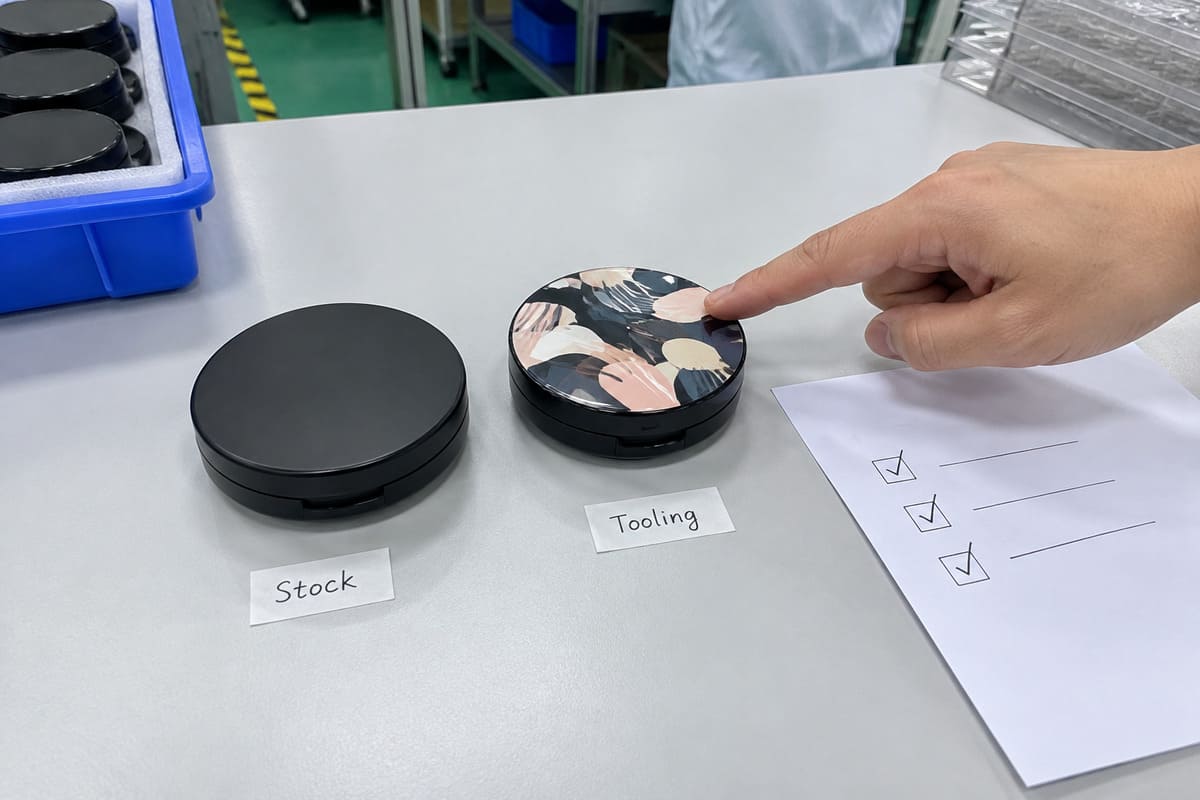
I use the term social currency to describe content that gives customers a reason to post, share, discuss, or display a product. Flower Knows packaging performs this role well because the product looks recognizable before the customer explains what it is.
A conventional eyeshadow palette may communicate color and function. A highly themed palette can communicate taste, identity, and belonging. The customer may purchase the product because of the makeup, but the customer can also use the packaging to express an aesthetic.
That difference creates several commercial effects:
- The product becomes easier to identify in short-form video.
- Unboxing content becomes part of the launch campaign.
- Customers can collect products from the same visual world.
- Influencers receive a product that already has visual storytelling built into it.
- Retail displays can attract attention before a salesperson explains the product.
The packaging therefore supports both brand discovery and customer-generated content. I would still avoid assuming that attractive design guarantees repeat purchases. The formula, color payoff, wear, usability, price, and availability must support the first impression.
Collections create anticipation
Flower Knows uses collection concepts such as Swan Ballet, Strawberry Rococo, and Little Angel to make separate products feel connected. I see this as an important merchandising decision. A collection gives customers a reason to follow the next launch4 instead of treating every product as an isolated item.
A new brand can reproduce this principle without reproducing the same production budget. For example, a brand could build a small collection around:
- One cultural or artistic theme
- Three complementary shades
- One repeatable packaging color system
- A consistent photography style
- A short, clear story for creators to explain
The brand does not need to create thirty products to communicate a collection. It needs to make the available products feel intentional.
Product performance still matters
I would not treat Flower Knows as a packaging-only success story. A product that photographs well but performs poorly creates disappointment, negative reviews, and weak reorders5. Procurement teams should therefore evaluate the product behind the visual identity.
A buyer should request:
| Evaluation area | Questions to ask |
|---|---|
| Color performance | Does the shade match the approved sample? |
| Texture | Does the powder apply evenly without excessive fallout? |
| Wear | Does the product meet the intended wear expectations? |
| Packaging durability | Can the compact survive normal shipping and handling? |
| Component consistency | Will replacement or repeat batches match the original? |
| Documentation | Can the supplier provide the documents required for the target market? |
When I evaluate a visually ambitious product concept, I separate attention value from commercial value. Attention may create the first purchase. Consistent quality, reasonable pricing, and reliable replenishment create the second and third purchases.
What Does Flower Knows Actually Spend on Custom Molds and SKU Management?
The cost of Flower Knows’ custom molds and SKU management is difficult to verify from public information. I would treat claims about millions of dollars in mold investment, more than 100 annual SKUs, and a total brand valuation or revenue figure as reported estimates unless the brand publishes audited financial information.
Flower Knows’ custom mold spending likely represents a major multi-stage investment rather than a single packaging expense. The cost can include industrial design, engineering, prototyping, tooling, testing, minimum production quantities, component inventory, revisions, and logistics6. Its large SKU range also creates ongoing forecasting, quality control, and replenishment costs.
Custom molds involve more than tool creation
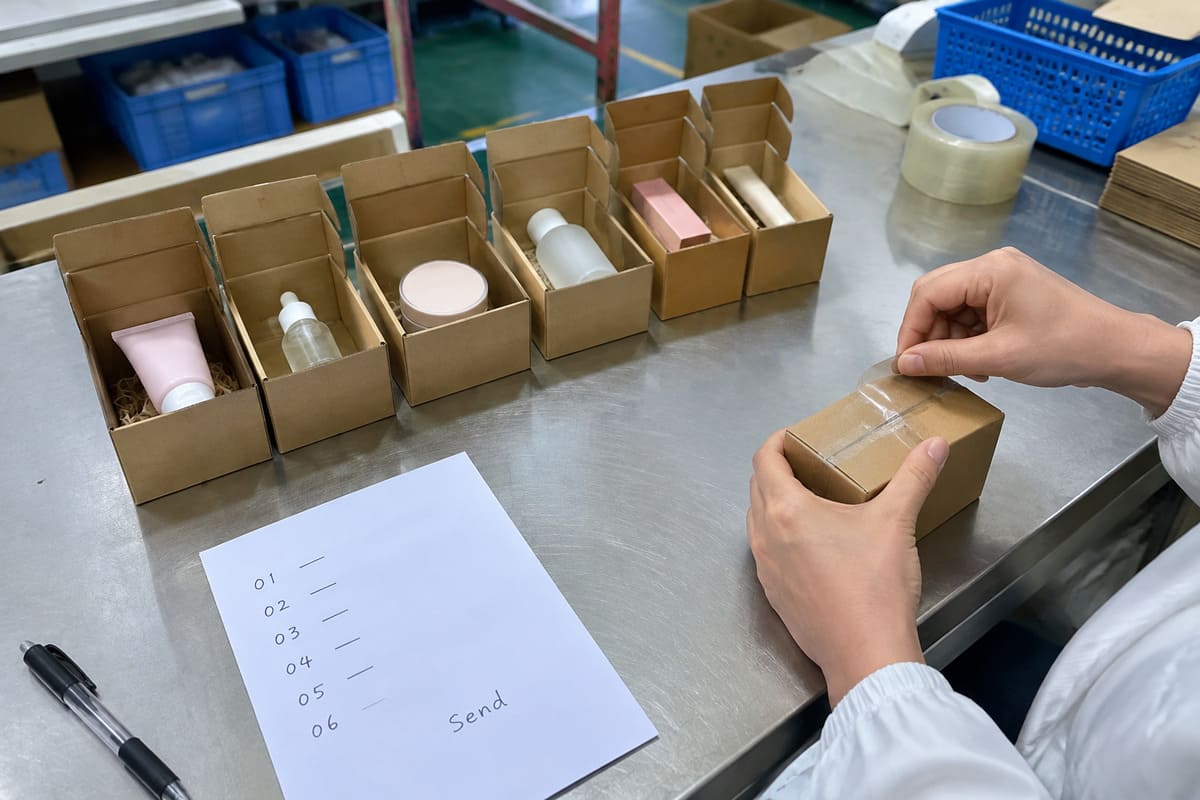
When a brand says it wants a custom compact, I first ask what “custom” means. A custom color, surface finish, printed design, or insert can require far less investment than a fully custom component. These options have different development timelines and risk profiles.
A fully custom mold may require:
- Industrial design and technical drawings
- Material selection
- Prototype samples
- Mold-flow or engineering review
- Tooling production
- First-shot samples
- Functional and appearance testing
- Production approval
- Quality inspection standards
- Inventory planning for the finished component
The tool itself is only one part of the cost. The brand also carries the risk of buying a large quantity of components before demand is proven. If a collection underperforms, the unused packaging can become stranded inventory.
SKU management creates operational complexity
A brand with more than 100 product launches or SKUs in a year must manage many moving parts. The exact definition of “SKU” matters because a product shade, package size, bundle, or regional version may each receive separate inventory treatment.
A high-SKU brand must manage:
- Formula and shade approval
- Packaging component purchasing
- Artwork versions
- Barcodes and product data
- Batch records
- Forecasts by market
- Retail and e-commerce inventory
- Reorder points
- Slow-moving stock
- Product photography
- Compliance files
- Customer service information
I often see new brands underestimate the cost of this coordination. A low unit price does not mean low total operating cost. Every additional SKU creates another demand forecast and another opportunity for excess inventory7.
A simple investment framework
I recommend that a new brand classify packaging investment into three levels:
| Packaging approach | Typical use | Main benefit | Main risk |
|---|---|---|---|
| Existing component | Market testing and small launches | Lower cost and faster sampling | Less physical uniqueness |
| Existing component with custom decoration | Early brand building | Better visual identity without new tooling | Decoration limits |
| Fully custom mold | Proven hero product | Strong differentiation and collectibility | High tooling and inventory exposure |
I would normally test demand with existing components or light customization first. After the brand proves conversion, reorder rate, and customer response, the brand can consider a dedicated mold.
That approach does not make a product generic. A supplier can often create differentiation through color architecture, surface decoration, printed artwork, labels, inserts, cartons, and campaign photography. The buyer should also confirm whether the supplier can maintain the same component quality during repeat production.
Why Is Flower Knows So Popular With a Community-First Model?
A brand can spend heavily on advertising and still fail to build a durable audience. I think Flower Knows benefits from connecting its product world to communities that already care about beauty aesthetics, fashion references, collectible objects, and visual self-expression.
Flower Knows is popular because it speaks to a specific visual community rather than presenting itself as makeup for everyone. Its collections give customers a recognizable identity, while social media creators help translate that identity into tutorials, unboxings, reviews, and lifestyle content.
Aesthetic positioning reduces customer confusion
“Girly aesthetic” is too broad to function as a complete strategy. I would encourage a new brand to define a narrower community and a clearer emotional promise.
For example, the brand might focus on:
- Romantic vintage-inspired makeup
- Stage and performance-inspired beauty
- Soft pastel products for collectible makeup fans
- Bold color products for festival and editorial users
- Affordable artistic makeup for young creators
A narrow position helps the brand decide which products to make, which creators to approach, and which visual references to use8. It also gives customers a simpler reason to remember the brand.
Influencer volume requires infrastructure
Public discussions around Flower Knows often mention work with more than 2,000 influencers globally9. I would treat that figure as a reported marketing-scale indicator that buyers should verify. Regardless of the exact number, a large creator network requires systems.
A supplier or brand team must coordinate:
- Product seeding
- Address collection
- Shipment tracking
- Briefs and campaign timing
- Usage rights
- Creator payments
- Sample selection
- Regional language needs
- Content review
- Performance measurement
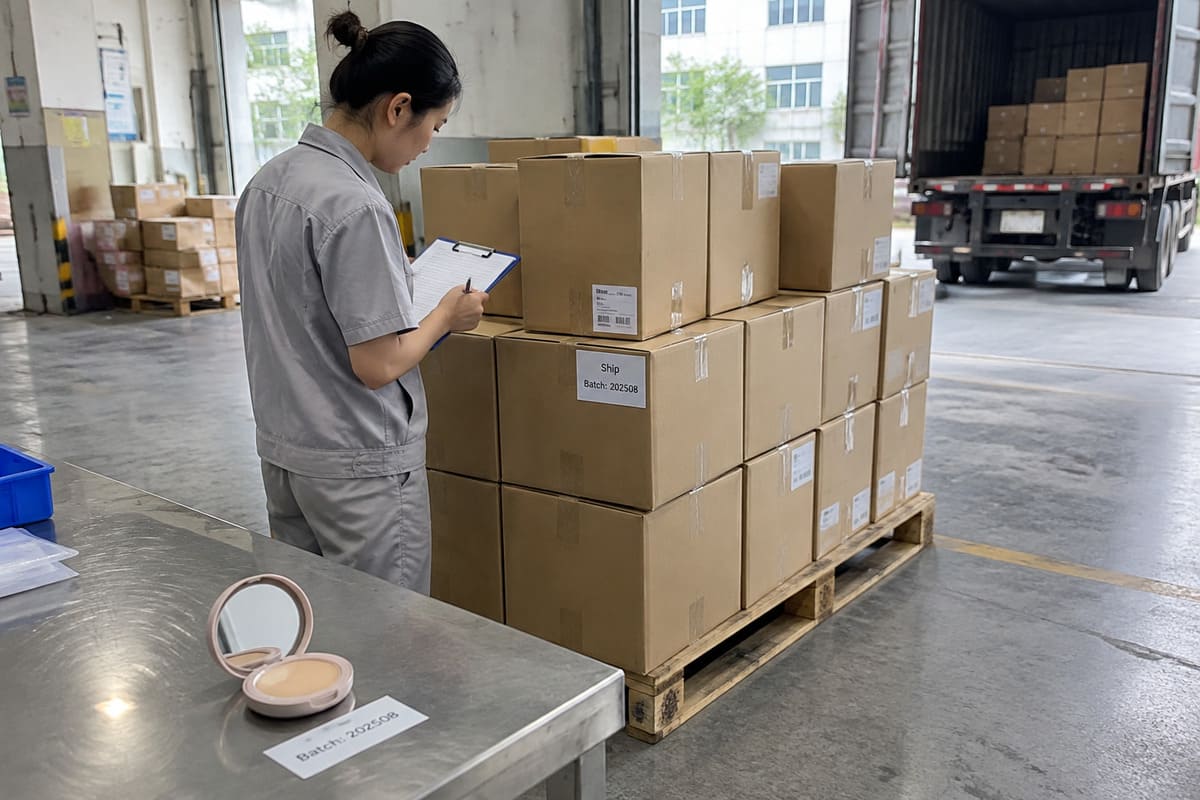
A small brand does not need thousands of creators. I would start with a matrix of perhaps 15 to 30 relevant micro-influencers and compare performance across several content types.
| Creator group | Best content | What I would measure |
|---|---|---|
| Makeup educators | Tutorials and application | Saves, comments, product questions |
| Aesthetic creators | Unboxing and styling | Views, shares, profile visits |
| Retail-focused creators | Reviews and comparisons | Clicks, conversion, return concerns |
| Local creators | Language-specific demonstrations | Regional engagement and sales |
I would measure qualified attention, not only views. A creator with fewer views may produce more product questions, website visits, and sales than a large creator with a weak audience fit.
How Did Flower Knows Scale from ACG Niche to Ulta Beauty?
Flower Knows’ path from an ACG-related niche to wider beauty recognition shows how a distinctive subculture can become a broader retail proposition. I view its reported Ulta Beauty entry in 2024 as an important distribution milestone, but retail availability alone does not explain the transition.
Flower Knows appears to have scaled by converting a specialized visual identity into a broader lifestyle beauty proposition. It used recognizable collections, online community demand, creator exposure, international distribution, and retail credibility to reach customers beyond its original niche. Retail expansion then increased discovery and reduced dependence on direct online purchasing10.
Niche positioning can create a strong starting point
A niche gives a new brand a concentrated audience. This audience may be smaller than the mass market, but it can be more responsive because the product speaks directly to existing interests.
I see three advantages in niche-first positioning:
- The brand can develop a clearer visual language.
- Early customers can provide more specific feedback.
- Content can spread through communities with shared references.
The brand must still avoid confusing the audience. A niche concept should explain what the product is, who it serves, and why it deserves a place in the customer’s routine.
Retail requires more than brand awareness
Entering a retailer such as Ulta Beauty can increase credibility and physical access. However, retail buyers also evaluate operational capability. They may consider:
- Wholesale pricing and margin structure
- Production capacity
- Replenishment performance
- Packaging and shelf readiness
- Product data accuracy
- Delivery reliability
- Returns and customer support
- Regional compliance requirements
- Promotional planning
- Inventory allocation
A brand that creates demand but cannot replenish products can lose retail momentum. A brand that launches too many SKUs can also create store-level inventory problems.
I would advise new brands to treat retail expansion as an operational project. The company should map production capacity, packaging lead times, quality inspection, export logistics, and reorder planning before accepting a large retail commitment.
Distribution should follow evidence
I would not recommend using retail presence as the first validation test for an unproven concept. The brand should gather evidence from smaller channels first:
- Direct-to-consumer test sales
- Marketplace performance
- Pop-up events
- Distributor feedback
- Micro-influencer conversion
- Repeat purchase data
- Wholesale sample orders
This evidence helps determine whether the product has demand beyond its visual novelty. It also gives the manufacturing partner better information for production planning.
What Should a New Brand Learn from Flower Knows, and What Should It Avoid?
New brands often see a successful company and copy its visible output. I think that approach creates unnecessary risk. A large company may have access to financing, designers, manufacturing partners, inventory systems, retail relationships, and global marketing resources that a startup does not have.
A new brand should learn Flower Knows’ discipline in visual storytelling, collection building, community targeting, and creator partnerships. It should avoid copying the high SKU count, large influencer volume, expensive custom molds, and rapid expansion pace before proving demand and securing reliable supply chain support.
What I would copy
I would copy the following principles:
- A clear visual world: I would make colors, typography, packaging, photography, and product naming support one recognizable identity.
- Collection thinking: I would launch related products that encourage cross-selling without creating unnecessary inventory.
- Community-first content: I would identify a specific customer group before selecting influencers.
- Photogenic product moments: I would design unboxing, swatching, application, and storage as content opportunities.
- Consistent launches: I would create a reliable calendar instead of releasing disconnected products.
- Feedback loops: I would use customer comments, sample reviews, reorder data, and retailer feedback to guide the next launch.
What I would avoid
I would avoid treating every visible success as a requirement. A small brand does not need to open a new mold for every collection. It does not need hundreds of products to look established. It does not need a global influencer network before its content and product-market fit are proven.
I would also avoid confusing novelty with demand. A product can attract thousands of views and still produce weak sales if the price, shade range, product performance, or availability is wrong.
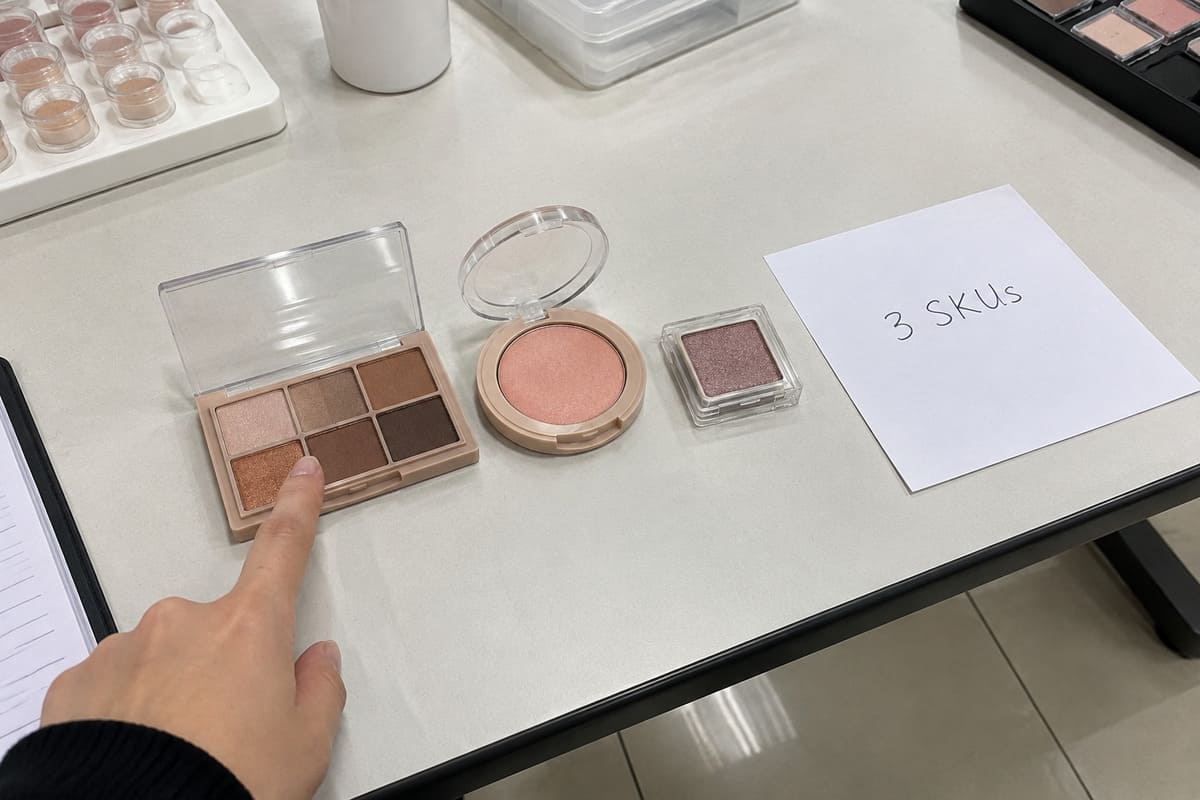
A practical three-SKU launch
I would start with three products:
- One hero product that communicates the brand concept
- One complementary product that increases basket size
- One accessible entry product that lowers purchase resistance
For a powder-focused cosmetics brand, that could mean a small eyeshadow palette, a matching highlighter, and a blush or single shadow. The exact selection should depend on the target market, formula capability, and customer research.
The brand should define success before production. Useful indicators include:
- Sample approval rate
- Conversion rate
- Cost per acquired customer
- Average order value
- Product return rate
- Customer review quality
- Repeat purchase rate
- Reorder lead time
- Inventory sell-through
I would prefer a three-SKU collection with healthy reorders over thirty SKUs that create slow-moving stock.
How Can You Build a Flower Knows-Style Product Without Million-Dollar Molds?
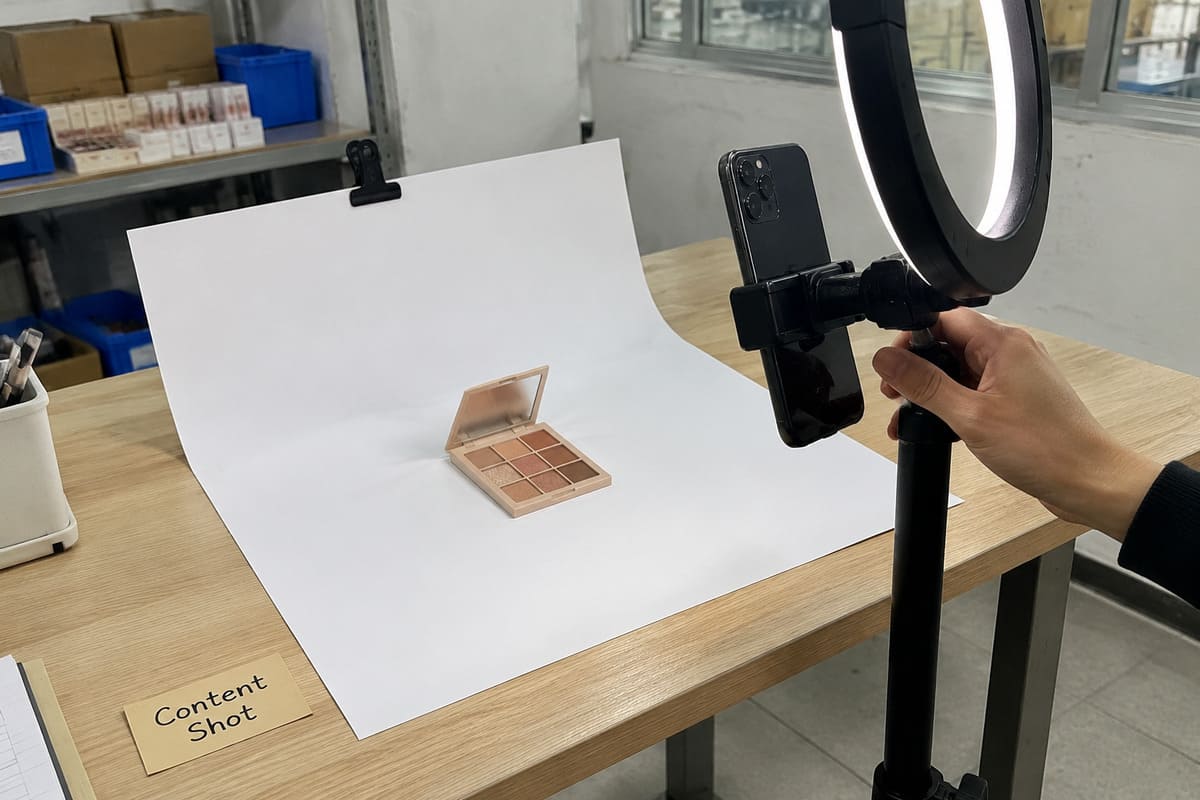
The biggest barrier for a new brand is often the assumption that distinctive design requires fully custom tooling. I do not think that assumption is correct. A brand can create a strong visual identity through a combination of existing components, surface decoration, color strategy, and coordinated content.
A new brand can build a Flower Knows-style product by using existing packaging, custom colors, printed artwork, decorative finishes, coordinated cartons, and strong photography11. The brand can test three SKUs at low MOQ, measure demand, and consider custom molds only after the product demonstrates repeatable sales.
Start with component selection
I would ask a manufacturing partner for an existing packaging library. The goal is to find a component with the right proportions, usability, durability, and price. A well-selected existing compact can support a premium visual direction when the brand applies a coherent design system.
Important questions include:
- What components are already in regular production?
- What is the minimum order quantity for each component?
- Can the supplier provide blank samples?
- What decoration methods are available?
- Can the supplier support repeat orders?
- What are the component lead times?
- How does the supplier inspect finished packaging?
- Can the supplier coordinate product, packaging, and assembly?
A manufacturer such as Vertina Beauty can help emerging brands explore low-MOQ sampling and existing packaging resources for powder-focused products. The buyer should still review samples, approve specifications, and conduct application-specific quality checks.
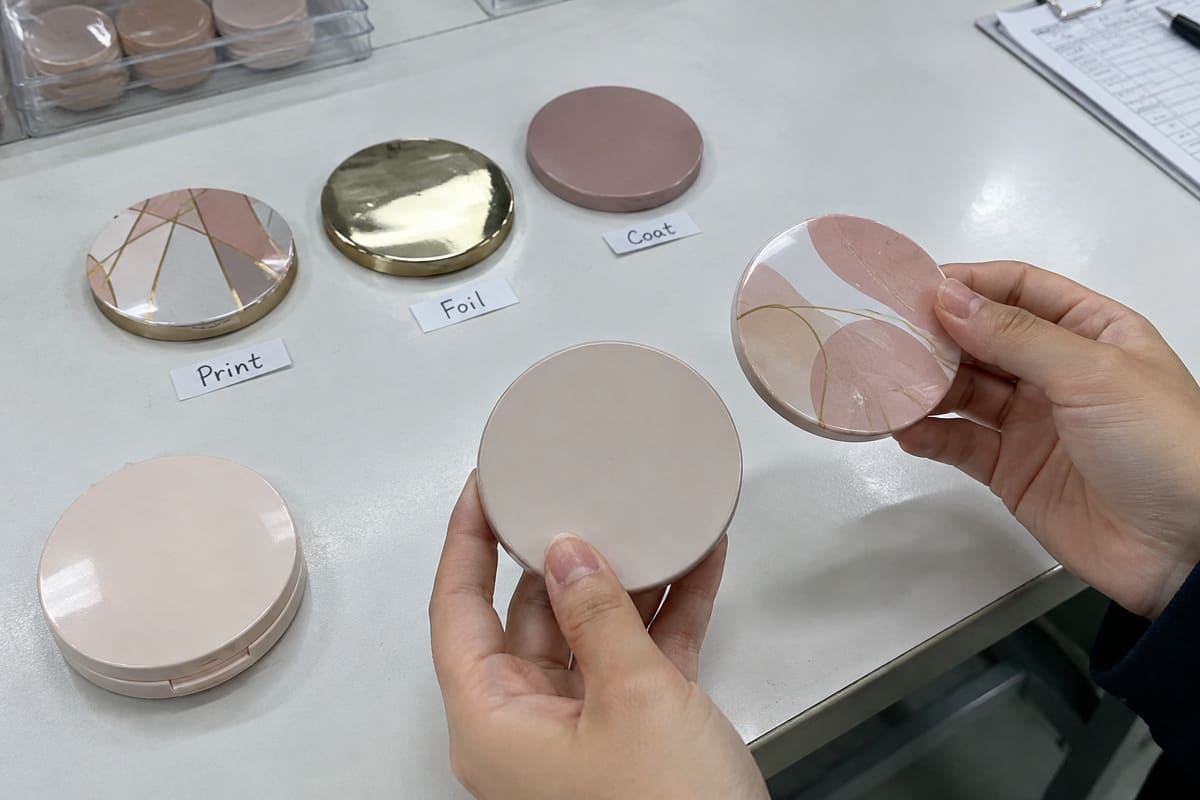
Use decoration strategically
Existing packaging can become more distinctive through:
- Custom color matching
- Metallic or matte finishes
- Printed illustrations
- Embossed or debossed artwork where available
- Custom labels
- Decorative cartons
- Themed inserts
- Branded mirrors or pans
- Coordinated shade names
These changes can create a strong visual system without the cost and lead time of a new mold. I would also make sure that decoration remains consistent between the approved sample and mass production.
Build a low-risk development sequence
I recommend the following sequence:
- Define the target community and product concept.
- Select three potential hero products.
- Review existing packaging options.
- Request formula and color samples.
- Test application, appearance, and packaging durability.
- Create sample content before committing to a large order.
- Run a small market test.
- Review conversion and customer feedback.
- Reorder the strongest products.
- Consider custom tooling only after demand becomes predictable.
This sequence reduces the risk of investing in packaging before proving the concept. It also gives the factory useful information about expected demand and potential repeat orders.
Work with the supplier as an operations partner
I would evaluate a supplier on more than the sample appearance. A good supplier conversation should cover:
| Supplier capability | Why it matters |
|---|---|
| Low-MOQ support | Reduces initial inventory exposure |
| Powder product experience | Helps manage texture, color, and filling requirements |
| Existing packaging resources | Can reduce tooling costs |
| Flexible customization | Supports differentiated branding |
| Fast sample response | Shortens the testing cycle |
| Quality documentation | Helps buyers assess market requirements |
| Reorder planning | Supports successful products after launch |
| Responsive communication | Reduces delays during development |
The buyer should verify all quality, safety, testing, and market-access documents required for the destination market. Supplier experience can support procurement, but the brand remains responsible for confirming that the finished product meets applicable requirements.
Frequently Asked Questions
Why is Flower Knows so popular?
Flower Knows is popular because it combines collectible packaging, strong visual storytelling, community-oriented positioning, creator content, and a broad product ecosystem. Its packaging attracts attention, but its consistency, product launches, distribution, and social media presence help transform attention into purchases and repeat interest.
Is Flower Knows successful only because of its packaging?
No. Packaging is an important discovery and content tool, but it is not the only factor. Product performance, collection strategy, influencer distribution, customer identity, pricing, availability, and retail access also influence growth. A new brand should evaluate the whole operating model instead of copying the visible packaging alone.
Should a small brand use custom molds for makeup packaging?
A small brand should usually test demand with existing packaging or light customization before investing in a fully custom mold. Custom tooling can make sense for a proven hero product, but the brand should first confirm demand, reorder potential, production capacity, and the ability to carry component inventory.
How many products should a new makeup brand launch?
I recommend that many new brands begin with approximately three focused SKUs. This approach makes it easier to test product-market fit, manage inventory, create coherent content, and identify bestsellers. The brand can expand after it understands conversion, customer feedback, repeat purchase behavior, and production lead times.
Can a supplier support a Flower Knows-inspired product at low MOQ?
Some suppliers can support low-MOQ sampling and existing packaging options, especially for selected powder products. The exact MOQ depends on the formula, packaging, decoration, order quantity, and customization level. A buyer should request a product-specific quotation instead of assuming that one MOQ applies to every item.
Conclusion
When I ask why Flower Knows is popular, I do not see a simple packaging story. I see a coordinated system that connects visual identity, community positioning, influencer content, product collections, manufacturing, and distribution. New brands should copy the discipline behind that system, not automatically copy its spending or scale. A three-SKU launch, existing packaging, low-MOQ sampling, and focused creator matrix can provide a more practical starting point. Vertina Beauty can help brands explore powder makeup development, low-MOQ sampling, and existing packaging resources. Contact us to discuss a focused product concept and a realistic supply plan.
"Best Eyeshadow Palettes of All Time: A Longevity Analysis for ...", https://vertinabeauty.com/best-eyeshadow-palettes-of-all-time-a-longevity-analysis-for-buyers/. Research on product aesthetics and social sharing supports the view that distinctive packaging can increase consumers' motivation to display or discuss products online; this evidence concerns a general mechanism and does not establish that packaging alone caused Flower Knows' growth. Evidence role: mechanism; source type: paper. Supports: Research explaining how distinctive or aesthetically designed packaging can stimulate sharing, discussion, and user-generated content.. Scope note: General consumer research would support the mechanism but not the brand-specific attribution. ↩
"ODM Development – Your Vision, Our Expertise - Vertina Beauty", https://vertinabeauty.com/odm-development-your-vision-our-expertise/. Branding research indicates that consistent visual and symbolic cues across products and communications can strengthen recognition and contribute to a more coherent brand experience; the finding provides contextual support rather than direct evidence about Flower Knows. Evidence role: general_support; source type: research. Supports: Evidence that consistent visual and symbolic brand elements can shape brand recognition and consumer experience across product and communication touchpoints.. Scope note: The source would not verify the company's specific creative execution or commercial results. ↩
"The Impact of Visual Elements of Packaging Design on ... - PMC", https://pmc.ncbi.nlm.nih.gov/articles/PMC11851823/. Consumer-behavior studies support the proposition that packaging can influence attention and purchase consideration, while availability affects whether consideration can become a transaction; these factors are not sufficient to prove conversion or repeat purchase for a particular brand. Evidence role: mechanism; source type: paper. Supports: Studies examining packaging attention, brand recognition, purchase intention, and the effect of product availability on buying behavior.. Scope note: The evidence is likely correlational and may vary by category, market, price, and product quality. ↩
"What Impact Does Scarcity Marketing have on Consumers ...", https://whitman.syracuse.edu/about/newsroom/whitman-news/news-detail/2023/02/17/what-impact-does-scarcity-marketing-have-on-consumers-purchase-behavior-and-on-other-products-a-company-carries-under-the-same-brand. Research on collectible consumption and product-series design suggests that thematic continuity can encourage consumers to monitor subsequent releases and consider additional purchases; this supports a plausible mechanism without demonstrating that every Flower Knows collection produces such behavior. Evidence role: mechanism; source type: paper. Supports: Research on collectibility, product series, and thematic continuity as influences on consumer interest and repeat engagement.. Scope note: The effect depends on perceived value, affordability, product quality, and the strength of the consumer's interest in the collection. ↩
"Factors affecting consumers' repurchase intention toward skin ...", https://pmc.ncbi.nlm.nih.gov/articles/PMC11180304/. Satisfaction research indicates that performance falling below consumer expectations can increase dissatisfaction and reduce repurchase intention, with negative word of mouth as a possible consequence; this general relationship does not quantify the effect for cosmetics or Flower Knows. Evidence role: mechanism; source type: paper. Supports: Research connecting perceived product performance, expectation disconfirmation, customer satisfaction, negative word of mouth, and repurchase intention.. Scope note: Review behavior and reordering are also influenced by price, availability, novelty, and individual usage patterns. ↩
"Experimental Development of an Injection Molding Process ...", https://pmc.ncbi.nlm.nih.gov/articles/PMC10422203/. Packaging-engineering guidance describes custom molded-component development as a sequence involving design, prototyping, tooling, validation, and production planning, supporting the distinction between mold price and total development cost; it does not provide a verified Flower Knows budget. Evidence role: general_support; source type: education. Supports: Technical or manufacturing guidance describing the design, prototyping, tooling, testing, and production stages involved in custom molded components.. Scope note: Actual costs vary substantially with material, geometry, tooling technology, order volume, supplier location, and revision requirements. ↩
"A Review of the Existing and Emerging Topics in the Supply ...", https://pmc.ncbi.nlm.nih.gov/articles/PMC7283689/. Supply-chain literature generally finds that greater product variety increases forecasting and inventory-management complexity and can raise exposure to excess or obsolete stock when demand is uncertain; the relationship is contextual and does not establish a particular optimal SKU count. Evidence role: mechanism; source type: paper. Supports: Supply-chain research on product variety, demand forecasting complexity, inventory levels, and obsolescence or excess-stock risk.. Scope note: Advanced forecasting, shared components, and strong demand data can reduce but not eliminate the added complexity. ↩
"Best Eyeshadow Palettes of All Time: A Longevity Analysis for ...", https://vertinabeauty.com/best-eyeshadow-palettes-of-all-time-a-longevity-analysis-for-buyers/. Marketing research supports the use of defined segments and positioning to align product offerings and communications with a target audience, which can improve strategic coherence; it does not show that a narrower position is universally superior or sufficient for growth. Evidence role: general_support; source type: research. Supports: Marketing research on segmentation, targeting, positioning, message consistency, and alignment between audience definition and marketing decisions.. Scope note: The value of narrow positioning depends on segment size, competitive conditions, product fit, and the brand's ability to serve the selected audience. ↩
"Flower Knows Influencer Program", https://www.instagram.com/popular/flower-knows-influencer-program/. A source should be cited only if it explicitly reports Flower Knows' collaboration with more than 2,000 influencers and identifies the period, geography, and counting method; absent those details, the figure should be treated as an unverified marketing-scale estimate. Evidence role: statistic; source type: other. Supports: A dated primary interview, company statement, or reputable independent report explicitly stating the number and defining the relevant influencer program.. Scope note: A company-reported or media-reported figure may count gifted products, one-time contacts, or campaign participants differently from active paid creators. ↩
"The impact of characteristic factors of the direct-to-consumer ...", https://pmc.ncbi.nlm.nih.gov/articles/PMC10944917/. Omnichannel retail research indicates that physical and online channels can complement one another by increasing access and discovery, while the effect on direct-to-consumer dependence depends on channel economics and customer behavior; this does not demonstrate the outcome for Flower Knows. Evidence role: mechanism; source type: paper. Supports: Research on omnichannel retailing, physical availability, product discovery, and channel substitution or complementarity.. Scope note: Retail presence can also add fees, inventory obligations, and channel conflict rather than simply reducing online dependence. ↩
"How Can I Create My Own Makeup Brand? (A Startup Founder's ...", https://vertinabeauty.com/how-can-i-create-my-own-makeup-brand-a-startup-founders-guide-to-first-launch/. Packaging-production references document that existing components can often be differentiated through printing, color, surface finishes, labels, and secondary packaging, supporting the feasibility of a lower-tooling visual strategy; the available methods and quality depend on the component and supplier. Evidence role: general_support; source type: education. Supports: Packaging-production guidance describing decoration, printing, finishing, labeling, and carton options available for existing components.. Scope note: Decoration cannot reproduce every structural feature of a fully custom mold and may impose minimum quantities, durability constraints, or color-matching limits. ↩