You typed "who are the top makeup manufacturers" into Google, and now you are drowning in names like L'Oréal and Estée Lauder. The problem? None of them will answer a founder's first email. That frustration is real, and it wastes weeks. Let me show you a smarter way to find the right factory.
The top makeup manufacturers for a new brand are not the industry giants on "Top 10" lists. For a startup, the best makeup manufacturer is a contract factory that offers a realistic MOQ (5,000–10,000 units for custom work), replies within 24 hours, provides live factory proof, and helps you build real product differentiation. "Biggest" and "best fit" are two different things.
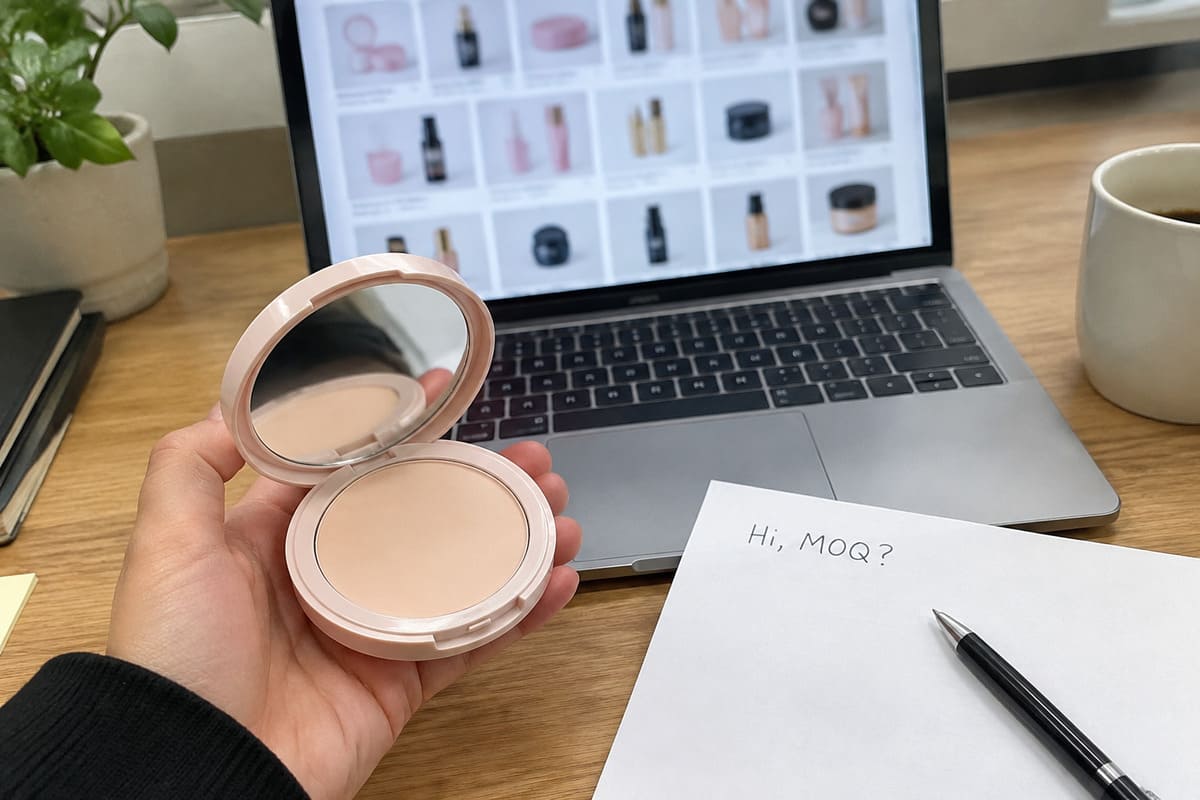
Here is the gap most articles ignore. You are not asking who runs the largest plant on earth. You are asking who will actually work with you. Let me break down what that really means, and why I tell founders to skip most ranking lists entirely.
What Does "Top Makeup Manufacturer" Really Mean for a Brand Founder?
You read "top makeup manufacturer" and picture a global leader. Then you email them. Three weeks later, silence. The word "top" sent you chasing the wrong target, and your launch timeline is bleeding out.
For a brand founder, a top makeup manufacturer is a factory matched to your growth stage, not your biggest dream. The real criteria are a realistic minimum order quantity, fast and honest communication, genuine R&D support, and the ability to create a differentiated product. Size alone tells you nothing about fit.
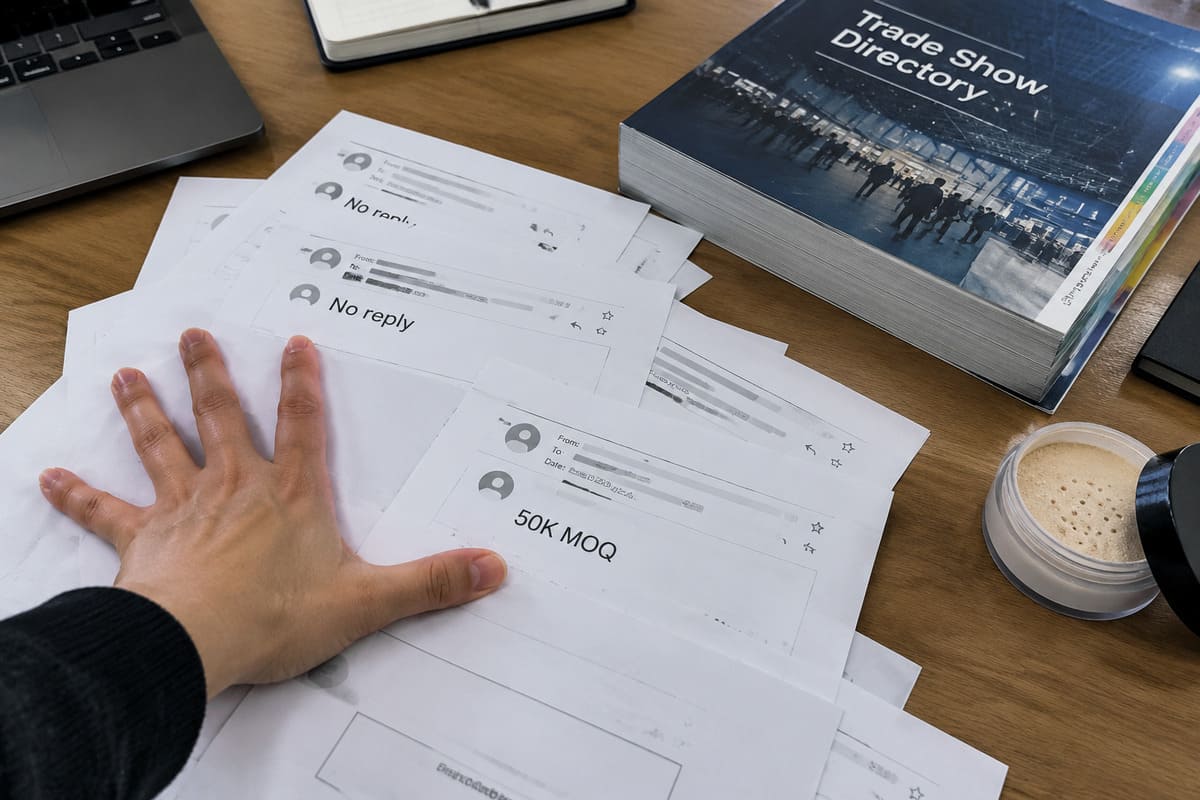
Most "Top 10" lists mix two very different things together. They list brand owners next to actual contract factories, and that confusion costs you time.
Brand Owners vs. Contract Manufacturers
This distinction matters more than anything else on this page.
- Brand owners like L'Oréal and Estée Lauder sell finished products under their own names. They do not take your startup's OEM order.1 Emailing them is like walking into a Michelin-star kitchen and asking for a kid's meal.
- Contract manufacturers (OEM/ODM factories) make products for other brands. This is the group you actually want. But even here, size creates a wall.
When I talk to a founder, I ask three questions before anything else. What market are you selling into? What is your realistic first order? What makes your product different from the hundred similar palettes already on Amazon? The answers tell me instantly whether a "top" factory is a fit or a trap.
A top-fit manufacturer helps you adjust pigments, textures, and packaging. A giant CDMO built for multi-million dollar orders will not even open that conversation with a first-time brand. The label "top" hides this reality, and that is why the search term misleads so many founders.
Why Are the "Top 10" Lists from Google a Trap for Startups?
You trust the ranking. You contact the top five names. You wait. The silence feels personal, like your brand idea was not good enough. It is not personal. Those lists were never built for you.
The "Top 10" makeup manufacturer lists are a trap because they rank factories by revenue and plant size, not by fit for small brands. These giants require 50,000-unit minimums and ignore first-time founders.2 The lists also confuse brand owners with contract factories, sending startups to companies that will never reply.
Let me show you the trap with a real story from my own inbox.
A Real Case: Three Weeks Lost on a "Top 5" List
A U.S. beauty brand founder came to me last year, completely stuck. He had spent three weeks working through the top five manufacturers listed on a famous industry blog. Here is exactly what happened to him.
| Manufacturer contacted | What happened | Result for the founder |
|---|---|---|
| Factory 1, 2, 3 | Never replied | Three weeks of silence |
| Factory 4 | Required 50,000-unit MOQ | Far beyond his cash flow |
| Factory 5 | Offered 100-unit MOQ | Generic stock, public formula, looked like Amazon knockoffs |
He was trapped between two bad options. The giants wanted an order he could not afford. The ultra-low MOQ supplier sold him a product identical to hundreds of cheap competitors. Neither path let him build a real brand.
This is the core trap. "Top 10" lists create a false sense that bigger equals better. For a startup, bigger usually means inaccessible. And the "solution" many founders settle for, the 100-unit generic palette, is not a brand at all. It is a stock product with your sticker on it.
The lists fail you in three specific ways:
- They optimize for size, not accessibility. Revenue rankings reward the factories least likely to help you.
- They blur categories. Brand owners get listed as manufacturers.
- They ignore the MOQ reality. No list tells you what it actually costs to differentiate.
What Is the Truth About "Low MOQ"? Why Is 5,000–10,000 Units Your Real Ticket to Brand Differentiation?
You see "50 units, no minimum!" and feel relief. Then your product arrives looking exactly like a dozen others online. The low MOQ was real. The differentiation was fake. You cannot build loyalty on a public formula.
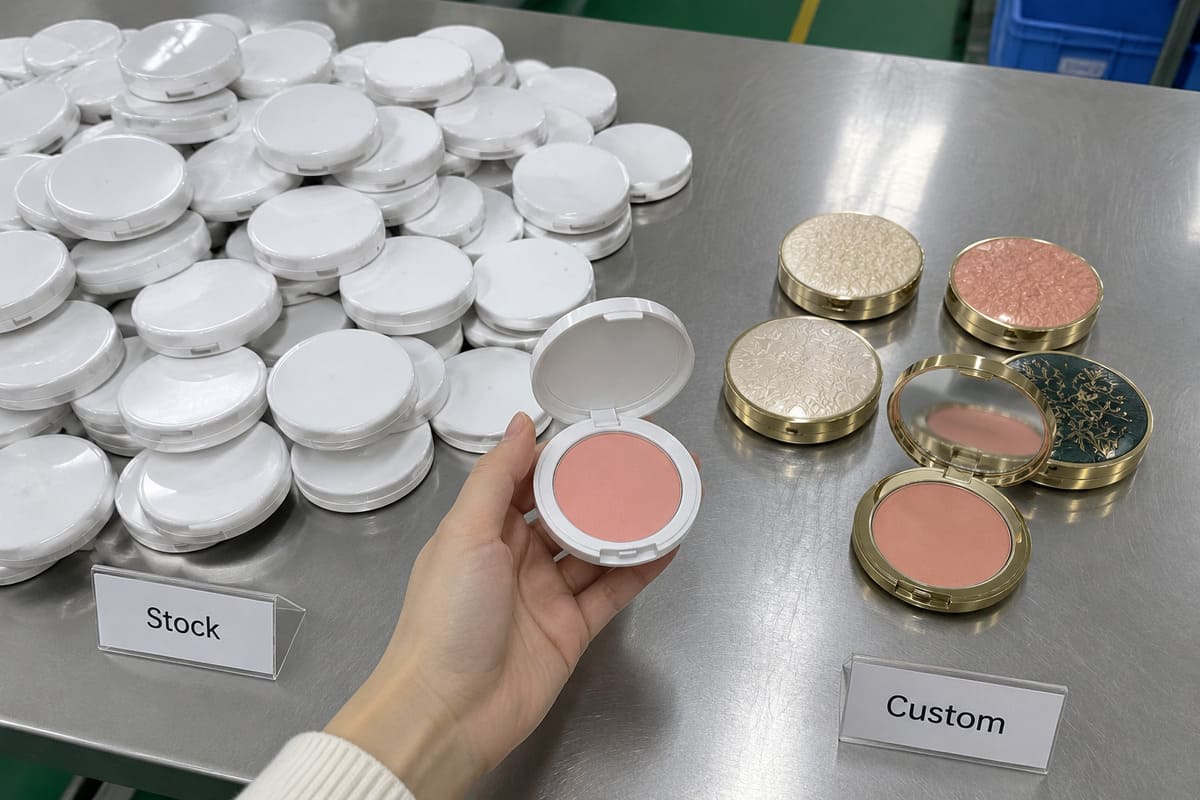
The truth about low MOQ is that 50–100 unit offers are generic stock products with public formulas and shared packaging3, which cannot differentiate a brand. True differentiation requires custom molds and exclusive formulas, which realistically need 5,000–10,000 units.4 This mid-tier volume is the real entry point for a serious brand.
I will be blunt here, because founders deserve honesty over sales pitches. The MOQ conversation has three tiers, and most buyers only hear about two of them.
The Three MOQ Tiers Explained
| Tier | Typical MOQ | What you get | The catch |
|---|---|---|---|
| The 50-Unit Illusion | 50–100 units | Generic stock product, public formula, standard packaging | Your product looks identical to hundreds of cheap competitors |
| The Giant's Wall | 50,000+ units | Full custom capability | Impossible cash flow for a startup |
| The Real Entry Point | 5,000–10,000 units | Custom molds, exclusive formulas, your own packaging | Requires genuine commitment, but builds a real brand |
The 50-unit illusion is the one that hurts founders most, because it feels like a win. You placed an order, you got boxes, you launched. But you launched a product anyone can buy from the same supplier. There is no moat. There is no story. There is only price competition, and someone will always go lower.
The giant's wall is obvious. Fifty thousand units of anything is a mountain of cash and risk for a first launch.
The real entry point sits in the middle, and this is where brands are actually built. At 5,000–10,000 units, a factory can justify custom molds for your packaging and develop an exclusive formula that no one else sells. That is differentiation you can own.
How I Bridge the Gap for New Founders
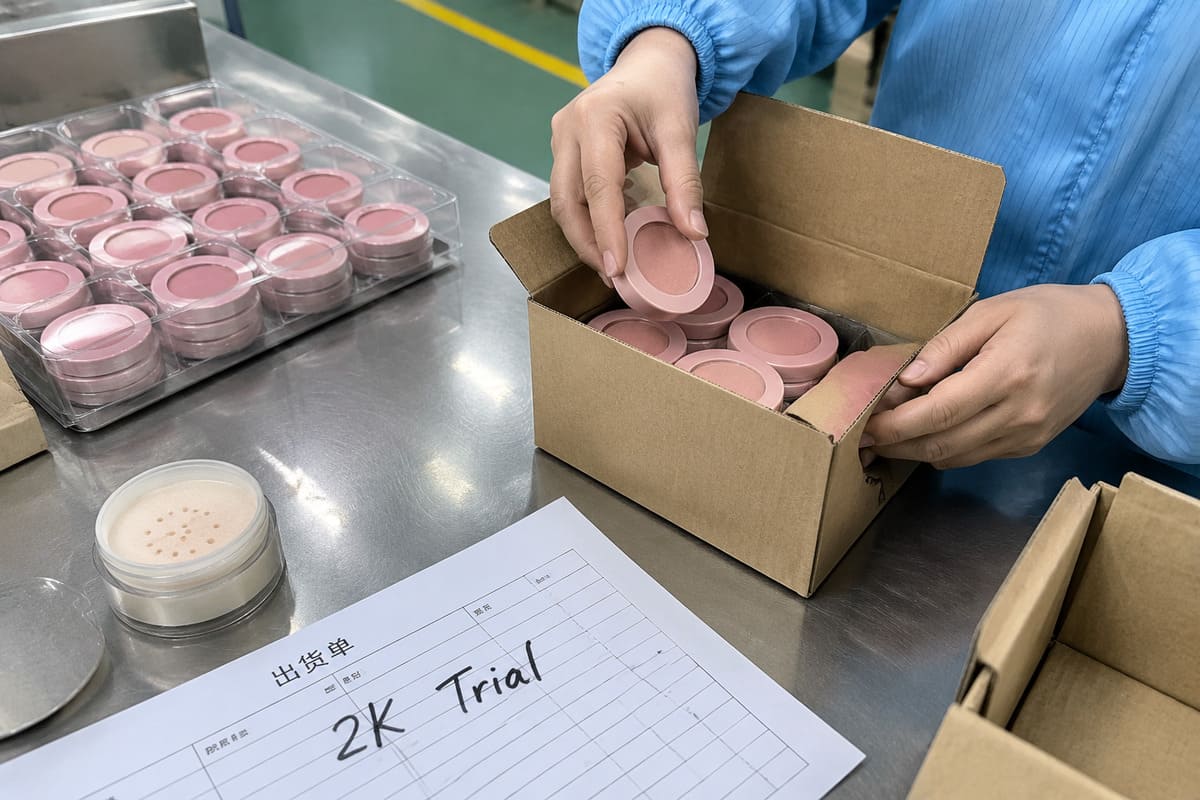
Here is the part I am proud of. I know 5,000 units still feels scary for a first-timer. So for selected standard eyeshadow palettes, I offer a 2,000-unit trial. This lets a founder validate the market safely before committing to custom tooling.
Back to my U.S. client. I told him the industry truth directly: you do not need a giant CDMO, and you should not use generic stock. For real differentiation, 5,000–10,000 units is necessary. But to lower his risk, I let him start with a 2,000-unit trial on our standard palettes. He tested his market, saw it work, then upgraded to a 5,000-unit custom order with his own packaging. He stopped chasing a "top" ranking and found a top-fit partner instead.
What Can a Real Sourcing Case Teach You About Avoiding Big-Name Rejections?
You keep emailing big names, hoping one says yes. Each non-reply chips away at your confidence. The lesson hiding in that silence is valuable, but only if you stop and read it instead of sending the next cold email.
A real sourcing case teaches you that big-name rejection is not about your brand's worth. It is about volume economics. Giant factories are built for multi-million dollar orders, so they filter out small brands automatically.5 The solution is to target agile mid-size manufacturers who match MOQ to your growth stage.
Let me pull the full lesson out of my client's journey, because the pattern repeats with almost every founder I meet.
The Progression That Actually Works
His path looked like this:
- Weeks 1–3: Chased five "top" factories. Got three silences, one impossible MOQ, one generic trap.
- The reset: Accepted that "biggest" does not mean "best for me."
- The trial: Started with a 2,000-unit run on a standard palette to test demand.
- The scale-up: Validated the market, then moved to 5,000 units with custom packaging.
- The outcome: A differentiated product, a real supply partner, and cash flow intact.
The teaching point is simple. Rejection from giants is a filter working as designed, not a judgment of your idea. When you understand volume economics, the rejections stop feeling personal.
Here is a quick comparison of the two sourcing mindsets I see:
| Mindset | What they chase | Typical outcome |
|---|---|---|
| "Top ranking" buyer | The biggest name on a list | Weeks lost, no reply, or an unaffordable MOQ |
| "Top fit" buyer | A partner matched to their stage | Fast replies, a safe trial, a real path to scale |
I always tell founders: stop trying to get a yes from a factory that was never built to say yes. Spend that energy finding the partner who answers your email in 24 hours and asks about your brand vision.
What Compliance and Quality Realities Should You Verify Before Choosing a Factory?
You found a responsive factory. The samples look great. But excitement can blind you to the boring questions that protect your business. Skip compliance checks now, and customs or a lawsuit will remind you later, at the worst possible time.
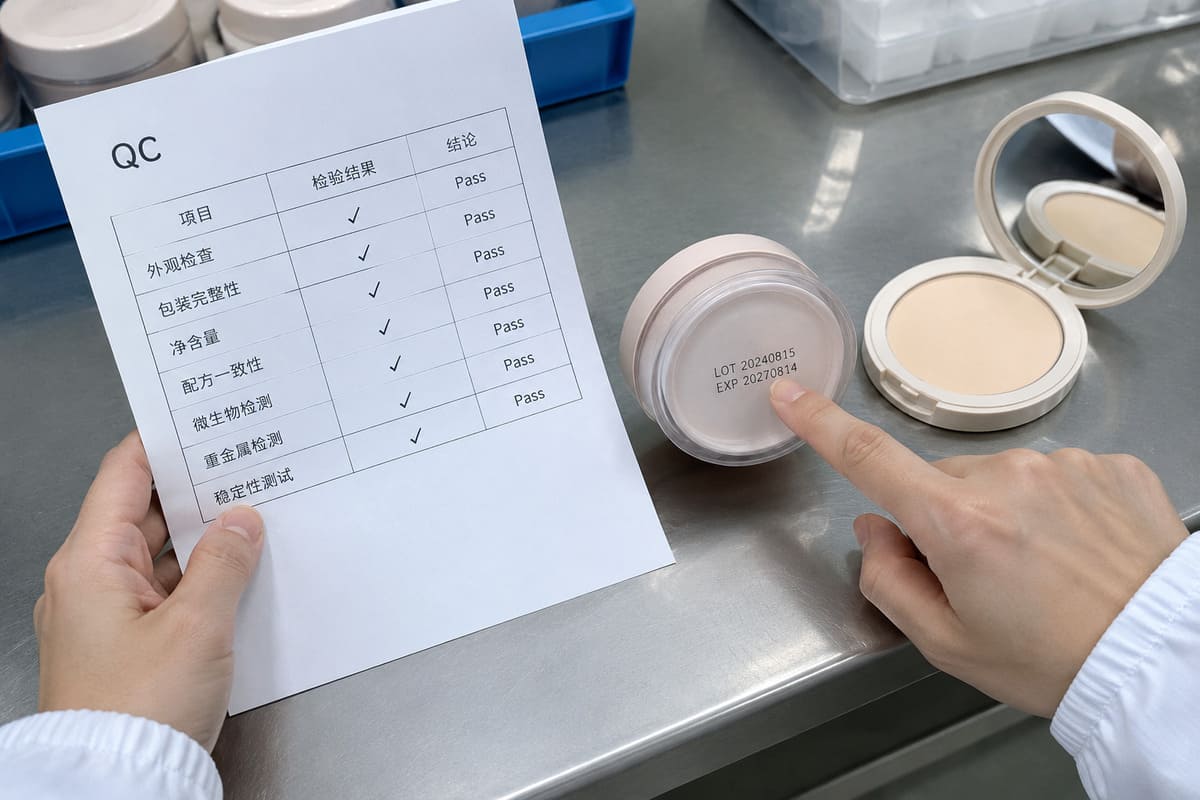
Before choosing a makeup manufacturer, verify compliance for your specific sales market, because requirements differ by region. You should confirm formula safety documentation, request relevant test reports, and treat all certifications as documents you independently verify. Always consult a qualified regulatory professional for your target market's exact rules.
I want to be careful and serious here, because this is where founders get hurt. I am a manufacturer, not your regulatory advisor. So I will tell you what to verify and insist you confirm the specifics with a qualified professional for your market.
Market-Specific Requirements You Must Confirm
Different regions have different frameworks. Use this as a starting map, not legal advice.
| Target market | Common regulatory framework to research | What to verify with a professional |
|---|---|---|
| United States | FDA cosmetic regulations, MoCRA6 | Facility registration and product listing obligations |
| European Union | EU Cosmetics Regulation (EC 1223/2009), REACH7 | CPNP notification, Responsible Person, safety assessment |
| Southeast Asia | ASEAN Cosmetic Directive8 | Local product notification per country |
| Middle East (e.g., Saudi Arabia) | SFDA requirements9 | Product registration and conformity documentation |
Treat every certificate a factory shows you as a document to verify, not a promise to trust blindly. Ask for the issuing body. Check the validity dates.10 Confirm it covers your exact product category.
The Quality Questions I Expect Good Buyers to Ask
A serious buyer asks these, and a serious factory answers them directly:
- Can you provide the ingredient list and relevant safety test reports?
- What is your batch quality control process?
- Will you support the specific documentation my market requires?
- Can I see a live factory video or arrange an inspection?
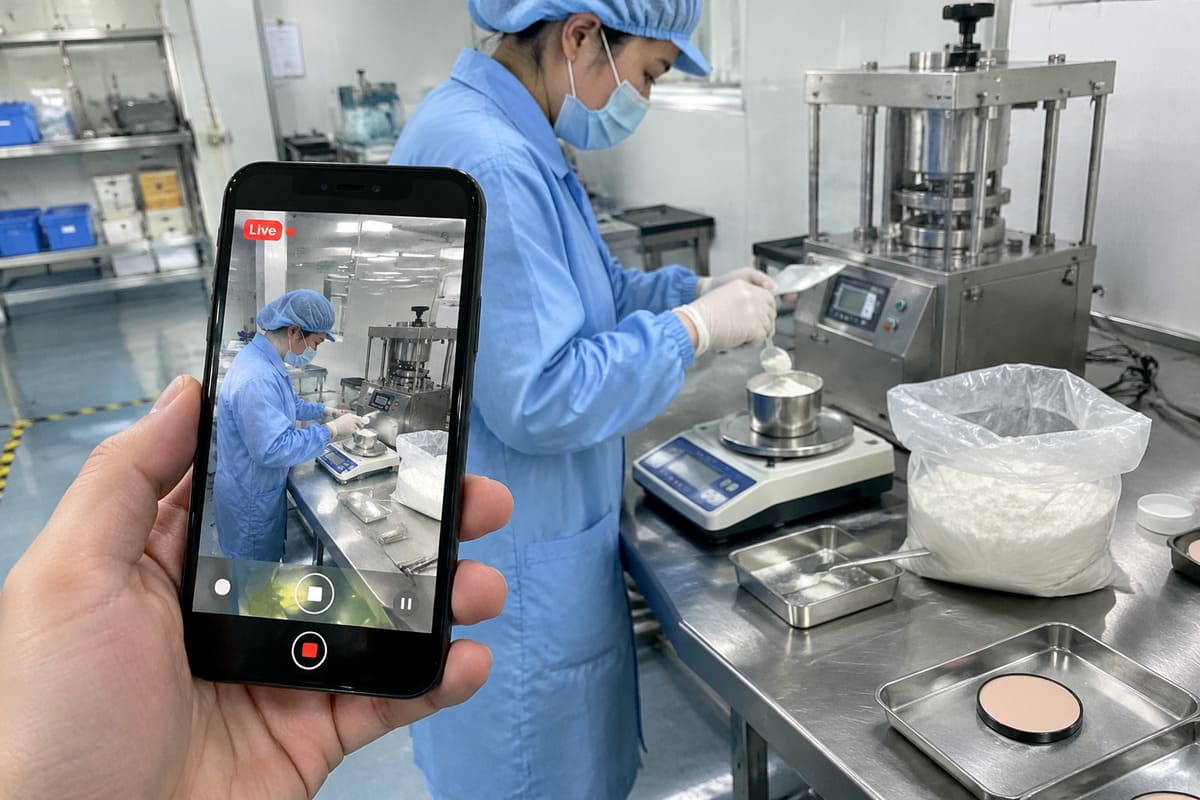
On transparency, I hold myself to a standard. We reply within 24 hours. We provide live factory videos. We answer technical questions directly, without dodging. If a factory cannot do these three things, that is your early warning sign.
One honest note on my own situation. I serve global B2B buyers from a core supply chain cluster in Guangdong, China.11 I have mature experience in Southeast Asia and the Middle East, and I follow North American and EU trends closely. For any application-specific compliance decision, I will always recommend you get qualified professional evaluation for your target market. That is the responsible answer.
How Can You Start with a Low-Risk Trial and Scale with Your Manufacturer?
You want to launch, but the fear of ordering thousands of units freezes you. What if it does not sell? That fear is healthy. The answer is not to avoid the order. The answer is to structure it so a failure cannot sink you.
You start low-risk by beginning with a validation trial, then scaling into custom production once demand is proven. I offer a 2,000-unit trial on selected standard eyeshadow palettes so you can test the market safely, then upgrade to a 5,000–10,000 unit custom order with exclusive formulas and your own packaging.
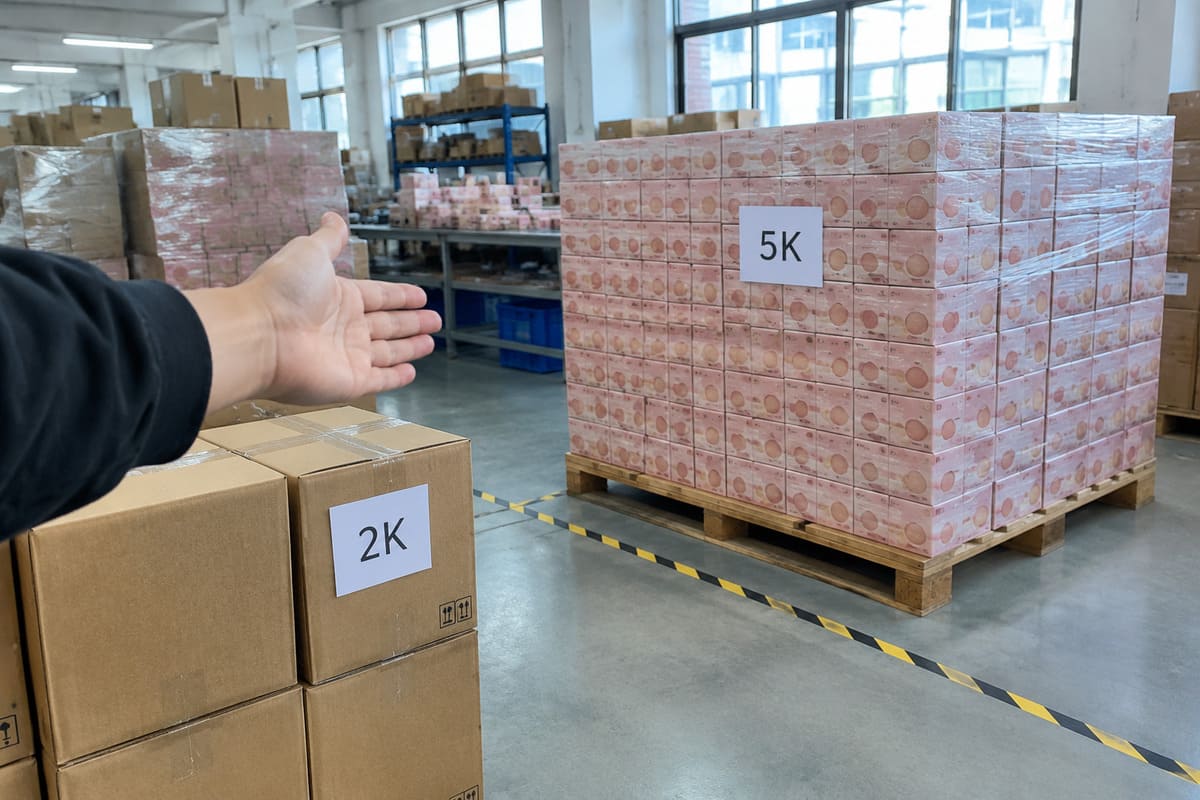
This staged approach is the single best advice I give first-time founders. Let me lay out the exact ladder.
The Validate-Then-Invest Ladder
| Stage | Volume | Purpose | Risk level |
|---|---|---|---|
| Trial | 2,000 units (standard palettes) | Validate real market demand | Low |
| Launch custom | 5,000 units | Add custom packaging, exclusive formula | Medium |
| Scale | 10,000+ units | Grow a proven, differentiated brand | Managed |
I will be brutally honest about what this does and does not guarantee. A 2,000-unit trial guarantees you can test the market without betting your whole budget. It does not guarantee your marketing will succeed. But it ensures your supply chain will not be the reason you fail. That is the promise I can actually keep.
Here is what I do, and what I refuse to do:
- What I do: Offer a 2,000-unit trial on selected standard palettes. Require a realistic 5,000–10,000 units for true custom projects. Tell you exactly which tier you are in, every time.
- What I don't do: Sell you generic stock and call it a brand. Force a 50,000-unit order on day one.
Start smart. Validate. Then invest in real differentiation. That sequence protects your cash and builds something you actually own.
Frequently Asked Questions
Who are the top makeup manufacturers for a small startup brand?
The top makeup manufacturers for a startup are agile contract factories, not the giants on ranking lists. They offer realistic MOQs around 5,000–10,000 units for custom work, reply fast, and support product differentiation. Giants like L'Oréal are brand owners, not OEM partners for new brands.
What is a realistic MOQ for a custom makeup product?
A realistic MOQ for genuine differentiation is 5,000–10,000 units, which justifies custom molds and exclusive formulas. Offers of 50–100 units exist, but they are generic stock products with public formulas. For validation, I offer a 2,000-unit trial on selected standard eyeshadow palettes.
Why won't big-name makeup factories reply to my emails?
Big-name factories are built for multi-million dollar orders, so they automatically filter out small first-time brands. The silence is volume economics, not a judgment of your idea. Target mid-size manufacturers who match MOQ to your growth stage and reply within 24 hours.
Are ultra-low MOQ suppliers a good option for new brands?
Ultra-low MOQ suppliers sell generic stock products with shared formulas and packaging. Your product ends up looking identical to many cheap competitors.12 They are fine for a quick test, but you cannot build a differentiated, loyalty-driven brand on a public formula.
What certifications should I verify before exporting cosmetics?
Requirements depend on your target market, such as FDA/MoCRA for the U.S. or EC 1223/2009 for the EU. Treat all certificates as documents to verify independently, confirm they cover your product category, and consult a qualified regulatory professional for your market's exact rules.
Conclusion
The top makeup manufacturers for your brand are not the biggest names on a Google list. They are the partners who match your MOQ to your growth stage, reply within 24 hours, and help you build real differentiation. Skip the "Top 10" trap. Avoid the generic stock illusion and the giant's 50,000-unit wall. Start with a low-risk trial, validate your market, then invest in custom molds and exclusive formulas at a realistic 5,000–10,000 units. If you want a top-fit launch partner instead of a top-ranked stranger, send me your target market and first order idea, and I will tell you exactly which tier fits you.
"L'Oréal", https://en.wikipedia.org/wiki/L%27Or%C3%A9al. Corporate profiles describe both L'Oréal and the Estée Lauder Companies as brand-owning manufacturers that develop and sell cosmetics under their own portfolios of brands. Evidence role: definition; source type: encyclopedia. Supports: That L'Oréal and Estée Lauder are vertically integrated brand-owning cosmetics companies that market products under their own labels.. Scope note: Encyclopedic profiles confirm brand ownership but do not directly document these firms' policies toward third-party OEM orders from new brands. ↩
"How to Find a Cosmetics Manufacturer: A Buyer's Guide to Verifying ...", https://vertinabeauty.com/how-to-find-a-cosmetics-manufacturer-a-buyers-guide-to-verifying-real-factories/. Industry analyses of cosmetic contract manufacturing report that larger facilities commonly set high minimum order quantities, which can limit access for emerging small-volume brands. Evidence role: statistic; source type: research. Supports: That large-scale cosmetic contract manufacturers typically set high minimum order quantities that create entry barriers for small brands.. Scope note: Published figures vary by product category and region, so a specific 50,000-unit threshold may not generalize across all manufacturers. ↩
"Private Label vs White Label Cosmetics Guide | UniBeauty", https://unibeautycosmetics.com/insights/private-label-vs-white-label-cosmetics/. Industry sources distinguish white-label or stock cosmetic programs, which reuse standard formulations and packaging across buyers, from custom formulation projects developed exclusively for one brand. Evidence role: definition; source type: institution. Supports: That low-minimum cosmetic offerings generally use pre-existing stock formulations shared across multiple buyers rather than exclusive custom development.. Scope note: The distinction describes typical practice; individual suppliers may structure low-MOQ offers differently. ↩
"Why Is Flower Knows So Popular? A Supply Chain ... - Vertina Beauty", https://vertinabeauty.com/why-is-flower-knows-so-popular-a-supply-chain-breakdown-for-new-brands/. Manufacturing cost literature explains that fixed costs for custom molds and formulation development are amortized across production volume, so per-unit economics improve as order size increases. Evidence role: mechanism; source type: research. Supports: That amortizing custom tooling and bespoke formulation development requires a minimum production volume to be cost-effective.. Scope note: General tooling-economics sources establish the principle but do not confirm the specific 5,000–10,000 unit range cited for cosmetics. ↩
"Economies of scale", https://en.wikipedia.org/wiki/Economies_of_scale. Economic literature on economies of scale explains that high fixed and setup costs per production run incentivize large-capacity manufacturers to prioritize high-volume orders, reducing their willingness to accept small runs. Evidence role: mechanism; source type: research. Supports: That economies of scale and per-order setup costs lead high-capacity manufacturers to favor large orders and deprioritize small ones.. Scope note: This supports the general economic mechanism rather than confirming specific sourcing behavior of named cosmetic manufacturers. ↩
"Registration & Listing of Cosmetic Product Facilities and ...", https://www.fda.gov/cosmetics/registration-listing-cosmetic-product-facilities-and-products. The U.S. Food and Drug Administration documents that the Modernization of Cosmetics Regulation Act of 2022 expanded FDA authority over cosmetics, including requirements for facility registration and product listing. Evidence role: definition; source type: government. Supports: That U.S. cosmetics are regulated by the FDA and that MoCRA introduced facility registration and product listing requirements.. Scope note: Regulatory details and compliance deadlines are periodically updated, so the current FDA guidance should be checked for the latest obligations. ↩
"What Ingredients Should I Avoid in Eye Shadow? A ... - Vertina Beauty", https://vertinabeauty.com/what-ingredients-should-i-avoid-in-eye-shadow-a-compliance-guide-for-buyers/. Regulation (EC) No 1223/2009 of the European Parliament and of the Council establishes the EU framework for cosmetic products, including requirements for a designated Responsible Person, notification through the Cosmetic Products Notification Portal, and a documented safety assessment. Evidence role: definition; source type: government. Supports: That Regulation (EC) No 1223/2009 governs cosmetic products in the EU and mandates a Responsible Person, CPNP notification, and a product safety assessment.. Scope note: The regulation's annexes on restricted substances are periodically amended, so current consolidated versions should be consulted. ↩
"Liquid Eyeshadow vs Powder: Which Should a New Southeast ...", https://vertinabeauty.com/liquid-eyeshadow-vs-powder-which-should-a-new-southeast-asian-brand-start-with/. The ASEAN Cosmetic Directive establishes a harmonized regulatory scheme for cosmetics across member states, under which products are notified to the relevant national authority before market entry. Evidence role: definition; source type: institution. Supports: That the ASEAN Cosmetic Directive provides a harmonized regulatory framework under which cosmetic products are notified to national authorities in member states.. Scope note: Implementation and notification procedures vary by member country, so national guidance governs specific obligations. ↩
"What Ingredients Should I Avoid in Eye Shadow? A ... - Vertina Beauty", https://vertinabeauty.com/what-ingredients-should-i-avoid-in-eye-shadow-a-compliance-guide-for-buyers/. The Saudi Food and Drug Authority sets the regulatory requirements for cosmetic products marketed in Saudi Arabia, including product registration and conformity documentation obligations. Evidence role: definition; source type: government. Supports: That the Saudi Food and Drug Authority regulates cosmetics in Saudi Arabia and sets product registration and conformity requirements.. Scope note: SFDA requirements are updated over time, so current official guidance should be verified for specific product categories. ↩
"DAPIP | Homepage - Office of Postsecondary Education (OPE)", https://ope.ed.gov/dapip/. Guidance from standards and accreditation bodies advises buyers to confirm the authenticity and validity of certificates directly with the issuing or accreditation organization, as invalid or falsified documents are a known risk in supply chains. Evidence role: general_support; source type: institution. Supports: That buyers should independently verify supplier certifications with the issuing or accreditation body because fraudulent or invalid documents occur in trade.. Scope note: General verification guidance supports the practice but does not address cosmetic-specific certificate types directly. ↩
"How to Find a Cosmetics Manufacturer: A Buyer's Guide to Verifying ...", https://vertinabeauty.com/how-to-find-a-cosmetics-manufacturer-a-buyers-guide-to-verifying-real-factories/. Industry and trade analyses identify Guangdong province, including the Guangzhou area, as a leading cluster for cosmetics manufacturing in China. Evidence role: general_support; source type: research. Supports: That Guangdong province is a major geographic concentration of cosmetics manufacturing in China.. Scope note: Cluster descriptions characterize the region broadly and do not verify any individual supplier's capabilities. ↩
"Commoditization", https://en.wikipedia.org/wiki/Commoditization. Marketing and strategy scholarship holds that products lacking differentiation tend toward price-based competition, while meaningful differentiation can support customer loyalty and defensible margins. Evidence role: expert_consensus; source type: paper. Supports: That undifferentiated products compete primarily on price, whereas differentiation supports brand loyalty and margins.. Scope note: This supports the general principle of differentiation strategy rather than the specific cosmetics stock-product scenario described. ↩